How Do Public Controversies Test Our Values?
TL;DR
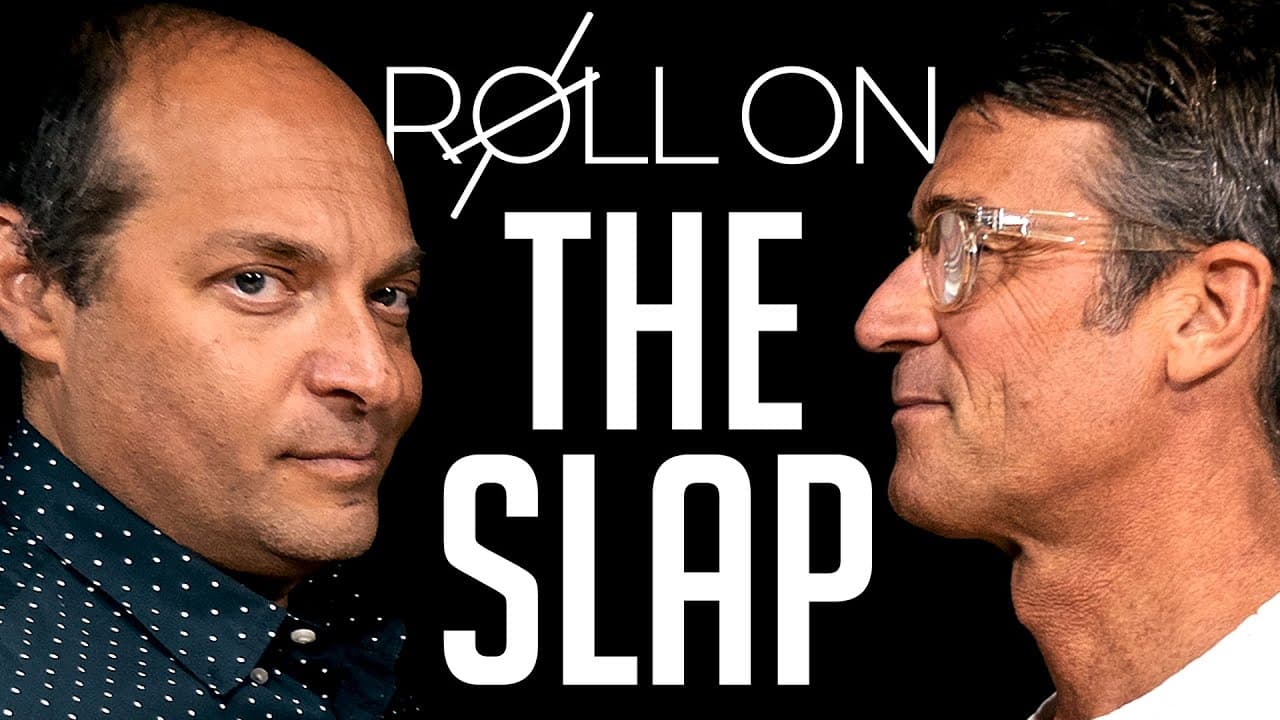
Addiction can remain a persistent risk even after long periods of sobriety, so relapse should be treated as part of recovery rather than proof of failure. Rich Roll and Adam Skolnick connect that perspective with Taylor Hawkins’ death, public controversies involving Will Smith and Lia Thomas, self-mythologizing, humor, and the disciplined preparation required for a 12.5-mile open-water swim.
Transcript
Adam, should we do the show? I don't see why not. I don't know man, I don't know. I understand. But you know what? What? F it. I think we, listen, it's either do it or let's just get the hell outta here and have a good day. We're gonna do it, let's do the show. Fine. ♪ Born In 1966 ♪ ♪ A man of many talents ♪ ♪ And the will to push through ♪ ♪ Rich... Read More
Key Insights
- Addiction is described as a condition that does not discriminate according to wealth, success, popularity, or apparent enjoyment of life. Taylor Hawkins’ death leads Rich and Adam to reflect on how suffering and vulnerability can persist even when someone seems loved, accomplished, active, and fulfilled.
- Relapse is presented as part of recovery rather than conclusive evidence that recovery has failed. Rich emphasizes that the remarkable achievement is each day an addicted person does not drink or use, because the underlying yearning can remain strong, persistent, and difficult to predict.
- The risk of relapse is described as remaining beneath the surface during sobriety. Rich compares the inner addict to something continually preparing in the dark, waiting for a moment of weakness, and recalls that his own relapse accelerated from no use to severe use extremely quickly.
- Responsible commentary requires acknowledging uncertainty about another person’s private circumstances. Rich repeatedly declines to say whether Taylor Hawkins had been sober, had relapsed, or had continued using, because the available discussion does not establish those facts despite reports about drugs in his system.
- Consistent swim training is improving Rich’s sleep and daytime well-being as he prepares for a 12.5-mile open-water swim. He describes a reinforcing cycle in which swimming more helps him sleep better, and better sleep helps him feel more capable during the day.
- Rich’s swim preparation is increasing in both consistency and volume. Adam references sessions of four to five kilometers, while Rich plans additional warm-water ocean swimming around a speaking engagement in Miami and a later coaching check-in with Chris Hauth.
- Self-mythologizing is introduced through a fictional business pitch involving flattering mirrors, a scale adjusted to read lighter, aggressive membership sales, venture financing, and imagined future notoriety. The humorous exchange connects personal storytelling, entrepreneurial performance, image management, and the construction of a public persona.
- Public controversy is treated as material for discussion spanning the Will Smith slap and Lia Thomas competing as a transgender swimmer. The episode frames these subjects alongside grief, addiction, athletic training, humor, the first Rollies awards, and accountability from coach Chris Hauth.
Install to Summarize YouTube Videos and Get Transcripts
Explore YouTube Video Summarizer or Get YouTube Transcript Extractor
Questions & Answers
Q: Why can relapse happen after a long period of sobriety?
Relapse can happen because addictive urges may remain beneath the surface even while a person is sober. Rich describes the inner addict as continually preparing in the dark and waiting for a vulnerable moment. Drawing on his own experience, he says a relapse can escalate from no use to severe use with remarkable speed, which makes continued recovery an active daily process.
Q: Should relapse be considered a failure of recovery?
Relapse should not automatically be treated as proof that recovery has failed. Rich characterizes relapse as part of recovery and argues that every day without drinking or using is itself significant. The desire to use can be powerful and persistent, so a relapse should be understood in the context of that ongoing struggle rather than reduced to one catastrophic judgment.
Q: What does Taylor Hawkins’ death suggest about addiction?
Taylor Hawkins’ death prompts the observation that addiction does not discriminate according to wealth, success, popularity, or outward vitality. Rich remembers Hawkins as active, friendly, and widely loved, but refuses to claim knowledge of his exact circumstances. The discussion therefore uses his death to consider addiction’s reach while maintaining caution about uncertain personal facts.
Q: Why does Rich Roll avoid speculating about Taylor Hawkins?
Rich avoids speculation because the discussion does not establish whether Taylor Hawkins had maintained sobriety, relapsed, or continued using. Although chest pains and the reported presence of 10 drugs are mentioned, Rich distinguishes those reports from a complete understanding of Hawkins’ life. His restraint illustrates why public discussion should separate known information from unsupported conclusions.
Q: How is Rich Roll preparing for his open-water swim?
Rich is increasing the consistency and volume of his swimming before a 12.5-mile open-water swim planned for June. Adam refers to training sessions of four to five kilometers. Rich also plans to arrive early and remain an extra day around a Miami speaking engagement so he can complete warm-water ocean swims and continue building experience.
Q: How does increased swimming affect Rich Roll’s well-being?
Increased swimming improves Rich’s sleep, which then helps him feel better during the day. He describes the relationship as self-reinforcing: greater training volume supports better rest, and better rest improves his daytime condition. This personal benefit accompanies the practical need to build consistency and endurance before his planned 12.5-mile open-water challenge.
Q: What is the fictional spa idea discussed by Adam Skolnick?
Adam jokingly proposes a spa with flattering mirrors that make customers appear 15 to 20 percent more svelte and a scale adjusted to read about two and a half pounds lighter. Customers would finish their treatments feeling pleased, at which point the business would present a six-month membership pitch. The conversation treats the concept as playful satire.
Q: What topics are covered in this Rich Roll discussion?
The discussion ranges across Taylor Hawkins’ death, addiction and relapse, the Will Smith slap, Lia Thomas and transgender athletes, self-mythologizing, and Rich’s preparation for a 12.5-mile open-water swim. It also includes humorous conversation, the first annual Rollies awards, and a coaching check-in with Chris Hauth, who provides accountability for Rich’s swim preparation.
Summary & Key Takeaways
-
Rich Roll and Adam Skolnick open with playful banter about a fictional wellness spa built around flattering mirrors and a deliberately light scale. The joke develops into a broader reference to self-mythologizing, one of the episode’s planned themes, while establishing the conversational mixture of humor, cultural commentary, personal reflection, and athletic accountability.
-
Rich discusses increasing the consistency and volume of his swimming before a 12.5-mile open-water event scheduled for June. His sessions have reached four to five kilometers, and he reports that swimming more improves his sleep and daytime well-being. A Miami speaking trip also provides an opportunity for warm-water ocean training.
-
Taylor Hawkins’ sudden death at age 50 prompts a careful discussion of addiction, relapse, uncertainty, and grief. Rich avoids claiming knowledge of Hawkins’ personal circumstances, but explains that addictive urges can remain beneath the surface. Recovery should recognize every sober day as meaningful, while refusing to interpret relapse simply as catastrophic failure.
Read in Other Languages (beta)
Share This Summary 📚
Summarize YouTube Videos and Get Video Transcripts with 1-Click
Try YouTube Summary with ChatGPT & Claude or YouTube Transcript Generator
Explore More Summaries from Rich Roll 📚


Summarize YouTube Videos and Get Video Transcripts with 1-Click
Try YouTube Summary with ChatGPT & Claude or YouTube Transcript Generator