How to launch multiple YouTube channels fast with a large team
TL;DR
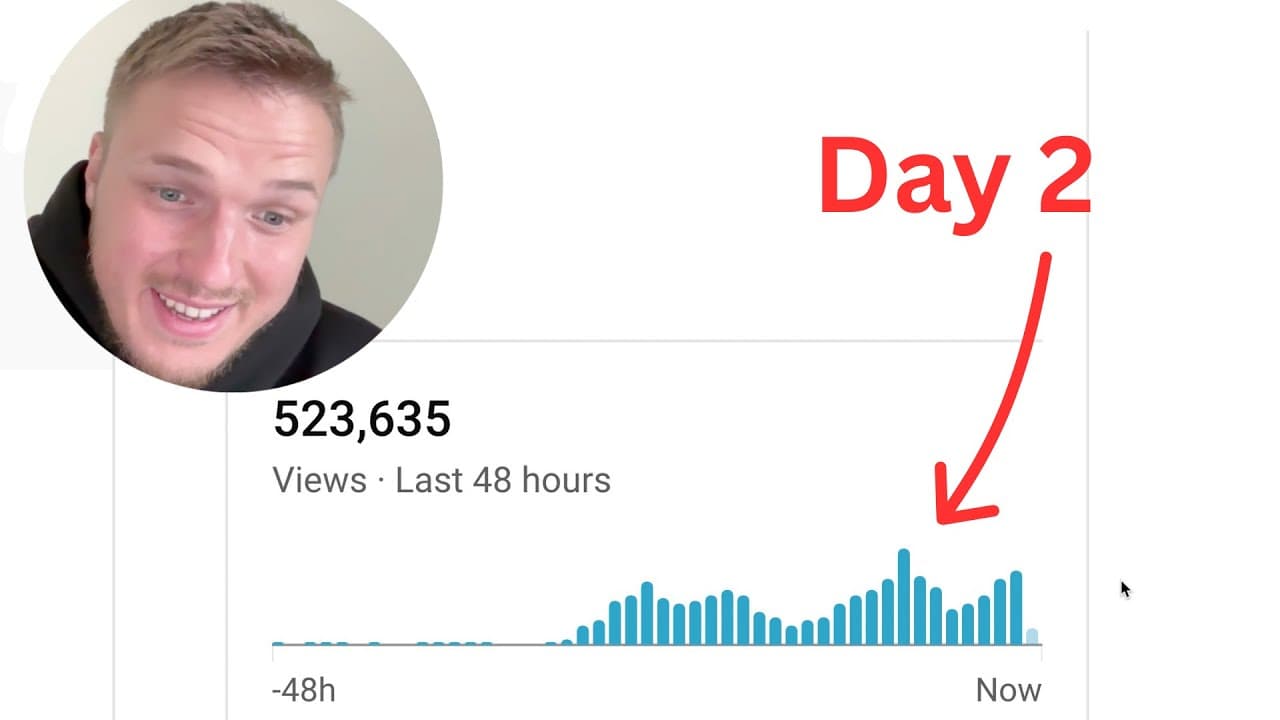
Launching channels quickly hinges on using a prepped system, data driven scaling, and a big team to publish fast. Focus on rapid testing, avoid over investing in branding early, and leverage pre monetized or prepared channels to reduce setup friction.
Transcript
Hey, so in this video I'm going to break down how we launch multiple faces YouTube channels every week and how to do it in a fast and profitable way. Uh in this video you won't find some beginner stuff like how to create a YouTube channel, how to create a Google account or something. You can find it in any tutorial on YouTube. Also I'm not going to... Read More
Key Insights
- Channel launches are driven by a fast, data driven process that scales with a larger team and pre prepared assets.
- Speed and testing trump perfection in early videos to help the algorithm learn audience signals quickly.
- Big teams provide access to more resources and faster post production and publishing cycles.
- Operational bottlenecks and miscommunication are common in large teams, so clear roles and workflows are essential.
- Outsized focus on niche research before testing can waste time, testing is preferred to waiting for perfect data.
- Leveraging data from early uploads allows quick pivots and better decision making on future channels.
- Pre prepared channels and AdSense accounts enable immediate posting without long setup periods.
- Quality may be lower when chasing volume, but revenue and views can grow through higher output.
Install to Summarize YouTube Videos and Get Transcripts
Explore YouTube Video Summarizer or Get YouTube Transcript Extractor
Questions & Answers
Q: How can I launch multiple YouTube channels quickly without starting from zero?
You can accelerate launches by using prep ready assets, existing channel templates, and pre established AdSense accounts to publish faster. The approach relies on a systematized team where ideation, script generation, editing, and posting are distributed. This enables you to push multiple videos and channels into observables rapidly, gather data, and iterate.
Q: What is the main goal of using a large team for channel launches?
The main goal is to maximize revenue and speed by enabling fast content production, broad testing across niches, and quick data feedback. A large team allows you to scale output, compare performance across channels, and pivot strategically based on viewer signals, higher impressions, and faster monetization readiness.
Q: Why is testing emphasized over perfect niche research in this approach?
Testing is emphasized because it yields real data about what works rather than speculative research. In fast launches, you can learn audience responses, adjust topics, formats, and posting frequency. This reduces risk and accelerates growth by allowing iterative improvements rather than delaying progress for perfect plan completion.
Q: What are the main disadvantages of a big team in this model?
Disadvantages include potential miscommunication, bottlenecks, and a job mentality if incentives are not aligned. The scale can reduce agility and creativity if not managed. Balancing process efficiency with motivation and clear roles is essential to keep the team productive and focused on rapid channel growth.
Q: Why should branding elements like logos and banners be deprioritized at first?
Branding elements are deprioritized because the initial priority is rapid content production and algorithm learning. Early videos should focus on reach and data signals rather than aesthetics. Saving branding for later helps shorten setup time and accelerates testing, while still enabling eventual channel maturation.
Q: How does data from early uploads influence future channel decisions?
Data from early uploads provides actionable signals about what topics, formats, and posting schedules resonate with viewers. It enables pivoting to more successful strategies, repurposing content if needed, or even moving audiences to different channels. This accelerates optimization and helps beat competitors who lack early data.
Q: What role does avoiding niche saturation play in this method?
Avoiding niche saturation helps prevent chasing topics that cannot sustain long term content streams. Rather than overinvesting in one niche, the strategy uses broad testing to identify scalable patterns and then exploits those patterns across channels. This approach reduces risk and increases opportunities for monetizable content.
Q: Can this approach work with solo creators, and what changes would it require?
Solo creators can benefit by adjusting to focus on higher quality output and faster iteration, but it may require minimizing friction and maximizing automation. Without a team, you would need to rely more on AI assisted workflows, simplified project management, and tighter schedules to maintain momentum and data guided growth.
Summary & Key Takeaways
-
Channel launches are driven by a fast, data driven process that scales with a larger team and pre prepared assets. This approach emphasizes speed, testing, and analytics over polish in initial outputs to gain early momentum.
-
A big team introduces efficiencies but also potential bottlenecks and miscommunication. The trade off favors volume and speed, with a plan to convert data into iterative improvements while maintaining clear workflow.
-
The strategy relies on avoiding overly curated branding at first, focusing on rapid content generation, and using existing channels or assets to minimize upfront setup, enabling quick market testing and revenue opportunities.
Read in Other Languages (beta)
Share This Summary 📚
Summarize YouTube Videos and Get Video Transcripts with 1-Click
Try YouTube Summary with ChatGPT & Claude or YouTube Transcript Generator
Explore More Summaries from Andrew 📚




Summarize YouTube Videos and Get Video Transcripts with 1-Click
Try YouTube Summary with ChatGPT & Claude or YouTube Transcript Generator