How to Fix Flipped Screen Rotation on Linux Tablets
TL;DR
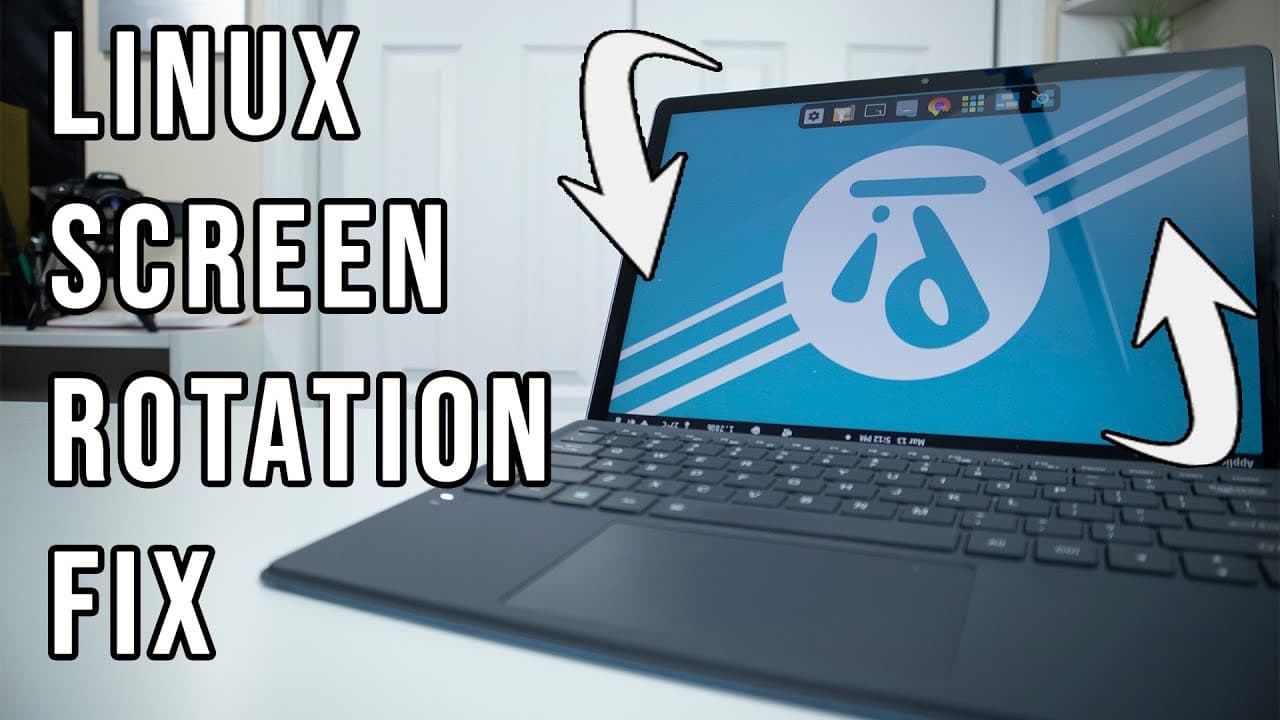
To fix a flipped screen rotation on Linux tablets, create a custom configuration file that modifies the hardware database, specifying the driver name, manufacturer, and product information. This involves using commands to gather device details, then updating the appropriate files to ensure the screen displays in the correct orientation after a reboot.
Transcript
guys what's going on it's don here from novaspirits.com welcome back to the channel and today i'm going to show you guys how to fix the screen rotation on linux computers on tablet pcs such as this one so let's get started so i've been recently playing around with the coo tablet the lee book two in one laptop and in most cases tablets have this iss... Read More
Key Insights
- 🫥 Screen rotation adjustment on Linux tablets often requires specific command-line knowledge to gather device information.
- 📁 Creating a separate configuration file prevents potential errors from affecting critical system files and allows easier troubleshooting.
- 💻 Understanding the hardware database structure is essential for effectively implementing changes to device behavior, such as screen orientation.
- 🔨 Automation tools for configuring hardware settings can exist, but may not address the unique challenges posed by non-mainstream devices.
- 🛀 The tutorial highlights the community-driven aspect of Linux, showing how users share knowledge to solve common technical problems.
- 🥺 Pengolins' penchant for customization can lead users to feel empowered with knowledge on modifying their devices, leading to improved user experiences.
- 👤 Following this video, users gain skills that encourage them to independently troubleshoot and resolve similar issues on their devices.
Install to Summarize YouTube Videos and Get Transcripts
Explore YouTube Video Summarizer or Get YouTube Transcript Extractor
Questions & Answers
Q: Why is screen rotation often problematic on Linux tablets?
Screen rotation issues on Linux tablets arise due to incompatible driver configurations and device recognition problems. Many tablet manufacturers do not provide comprehensive support for Linux, leading to mismatched settings when the device is oriented differently. This tutorial focuses on configuring specific attributes to resolve these inconsistencies and enable correct orientation.
Q: What tools or commands are necessary for fixing the rotation issue?
To fix the rotation, users need to gather key information using commands like udevadm info and dmidecode. They must determine the device's driver name, manufacturer, and product name, which are crucial for modifying the hardware database. Additionally, the tutorial advises creating a new config file to append necessary attributes for screen rotation.
Q: Why is creating a custom configurations file recommended?
Creating a custom configurations file helps mitigate the risk of overwriting existing files during adjustments. This practice ensures that if anything goes wrong, users can backtrack without affecting the system's core files. A separate file allows custom settings to be tested independently, maintaining system stability while troubleshooting.
Q: How does the video suggest updating the hardware database?
After creating the configuration file, the video suggests updating the udev hardware database using the command sudo udevadm hwdb --update. This command informs the system of the new configurations, allowing it to recognize and implement the changes made for screen rotation upon the next reboot.
Q: What issues might arise post-configuration, and how can they be resolved?
Post-configuration issues may include the screen still displaying incorrectly after a reboot. The creator recommends double-checking the modification in the config file for any syntax errors or missing attributes, particularly the importance of including the correct symbols such as asterisks and spaces. Re-running the hardware database update and rebooting the computer usually resolves these issues.
Q: Can this method be applied to any Linux distribution?
Yes, the configuration method described is applicable to various Linux distributions, including Ubuntu, Pop!_OS, and Arch Linux. While the commands might vary slightly depending on the system, the fundamental principles of gathering device data and modifying the hardware database remain consistent across distributions.
Q: Are there alternatives to manually adjusting rotation configurations?
While manual adjustments provide customized solutions, many Linux users might prefer automated tools or scripts available in repositories. However, these solutions often depend on community support and might not cater specifically to unique hardware setups like some tablet PCs. Manual configuration offers precision tailored to individual devices.
Q: What future aspects does the creator look forward to testing on the device?
The creator expresses interest in exploring additional functionalities of the Coo tablet, particularly testing the compatibility of the stylus pen with Linux. This suggests an aim to provide a comprehensive review of the tablet’s capabilities in a Linux environment beyond the rotation issue, contributing to a better understanding of its overall performance.
Summary & Key Takeaways
-
The video tutorial focuses on solving screen rotation issues on Linux tablet PCs, particularly with devices like the Coo tablet or Surface Pro.
-
Viewers are guided through the process of creating custom configurations to adjust the screen orientation using Ubuntu or similar Linux distributions.
-
The creator documents the steps taken for personal reference, ensuring users can replicate the solution for their devices in the future.
Read in Other Languages (beta)
Share This Summary 📚
Summarize YouTube Videos and Get Video Transcripts with 1-Click
Try YouTube Summary with ChatGPT & Claude or YouTube Transcript Generator
Explore More Summaries from Novaspirit Tech 📚

Summarize YouTube Videos and Get Video Transcripts with 1-Click
Try YouTube Summary with ChatGPT & Claude or YouTube Transcript Generator