How to identify emotional debt in relationships
TL;DR
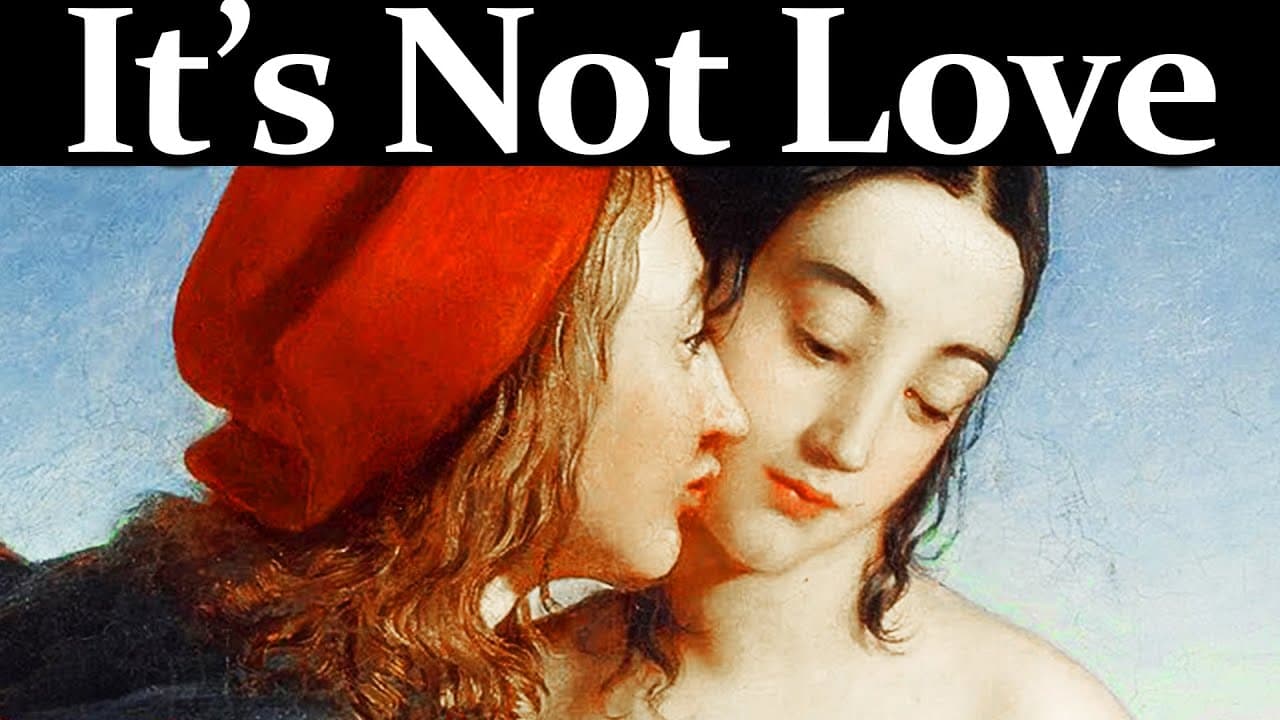
Emotional debt occurs when love becomes a one sided investment, with one partner giving more than the other. The path to freedom is recognizing the imbalance, setting boundaries, and choosing presence over continual effort. Break the cycle by observing reciprocity, redefining what counts as care, and prioritizing your own emotional health.
Transcript
Have you ever heard someone say, I did everything for this person, and still they left me? Or perhaps you have felt that no matter how hard you try, the other person never reciprocates in the same way. Most people believe they are in love when, in fact, they are emotionally indebted. And this difference is profound and dangerous. In the contemporar... Read More
Key Insights
- Emotional debt is a one sided investment where one partner gives more than they receive.
- The cause is a market logics at play in intimate life, turning affection into a form of capital.
- Reciprocity is the core test; without it, affection loses its meaning and becomes a loan.
- Many relationships normalize ongoing sacrifice as virtue, which hides a lack of genuine connection.
- The indebted person often believes continued effort will eventually trigger reciprocity, which rarely happens.
- Leaving or redefining the relationship requires recognizing that love is not earned through merit but sustained through presence.
- The pattern can be reinforced by self help discourses and popular media that praise endurance over mutual change.
- Liberation starts by acknowledging the debt is not theirs to bear and choosing boundaries over extended self sacrifice.
Install to Summarize YouTube Videos and Get Transcripts
Explore YouTube Video Summarizer or Get YouTube Transcript Extractor
Questions & Answers
Q: How can I tell if I am in emotional debt in my relationship
Emotional debt shows up when you consistently give more time, attention, and sacrifice than you receive in return, and the other person does not actively acknowledge or reciprocate. You may feel exhausted, unvalued, or anxious about the relationship’s future, while still hoping for change that never materializes. A clear sign is the absence of genuine reciprocity over time.
Q: What is the first step to break free from emotional debt
The first step is to recognize that love is not a payment plan or a contract. Acknowledge the imbalance with honesty, set firm boundaries on what you will give, and communicate these limits clearly. This shift creates space for healthier terms, where presence and mutual care become the baseline rather than ongoing sacrifices.
Q: Why does modern culture contribute to emotional debt
Modern culture often equates dedication with love and frames relationships as investments that must yield a future return. This habit is reinforced by media narratives and self-help discourses that reward perseverance, resilience, and patience, even when they undermine personal well being. The result is a normalization of unequal give and take in intimate life.
Q: What role does reciprocity play in healthy relationships
Reciprocity is essential because it validates the other person’s care and sustains the bond through balanced exchange. When both partners consistently contribute emotionally, practically, and with attention, the relationship remains responsive rather than transactional. A lack of reciprocity signals a structural mismatch that risks eroding self esteem and connection.
Q: How can boundaries help when you feel emotionally depleted
Boundaries protect your emotional health by clarifying what you will and will not tolerate. They help you avoid sinking deeper into a debt trap, encourage honest conversations, and invite accountability from your partner. Boundaries create space for mutual care by emphasizing presence over performance.
Q: Can leaving a relationship be a healthy choice in this context
Leaving can be a healthy choice when the pattern of unreciprocated giving persists despite clear boundaries and attempts at change. It allows you to reclaim self worth and prevents ongoing emotional depletion. A break can also create opportunities for healthier dynamics in future relationships or for personal growth independent of a partner.
Q: How does the concept of emotional capitalism explain these dynamics
Emotional capitalism suggests feelings are priced and traded like goods, with love rewarded by effort, patience, and sustained sacrifice rather than mutual connection. This lens helps explain why people stay in one sided patterns: the belief that perseverance will eventually yield affection, even when evidence signals otherwise.
Q: What signals a potential healthy transition after recognizing emotional debt
Healthy transition signs include increased self care, clearer boundaries, honest dialogue about needs, and a shared commitment to mutual change. If the relationship shows ongoing effort from both sides to meet each other’s needs and mutual accountability, it may move toward a healthier, reciprocal dynamic. If not, separation may be the most respectful option for personal well being.
Summary & Key Takeaways
-
In modern dating, affection is often conditioned by performance and future rewards rather than mutual presence, leading to a covert debt that burdens one person while the other benefits without accountability. Recognizing this shift is the first step toward healthier boundaries and authentic connections.
-
The video argues that love should be a mutual bond, not a market contract. It describes how neoliberal culture shapes expectations of constant effort, forgiveness, and patience as the price of love, which can erode self worth and distort genuine emotional intimacy.
-
Liberation begins when the indebted person stops interpreting lack of reciprocity as a personal failure. By redefining love as presence rather than profit, individuals can exit unsustainable dynamics and rebuild self trust, aiming for relationships grounded in reciprocity and mutual respect.
Read in Other Languages (beta)
Share This Summary 📚
Summarize YouTube Videos and Get Video Transcripts with 1-Click
Try YouTube Summary with ChatGPT & Claude or YouTube Transcript Generator
Explore More Summaries from Psyphoria 📚

Summarize YouTube Videos and Get Video Transcripts with 1-Click
Try YouTube Summary with ChatGPT & Claude or YouTube Transcript Generator