What Does Carl Jung Say About Inner Freedom and Self-Discovery?
TL;DR
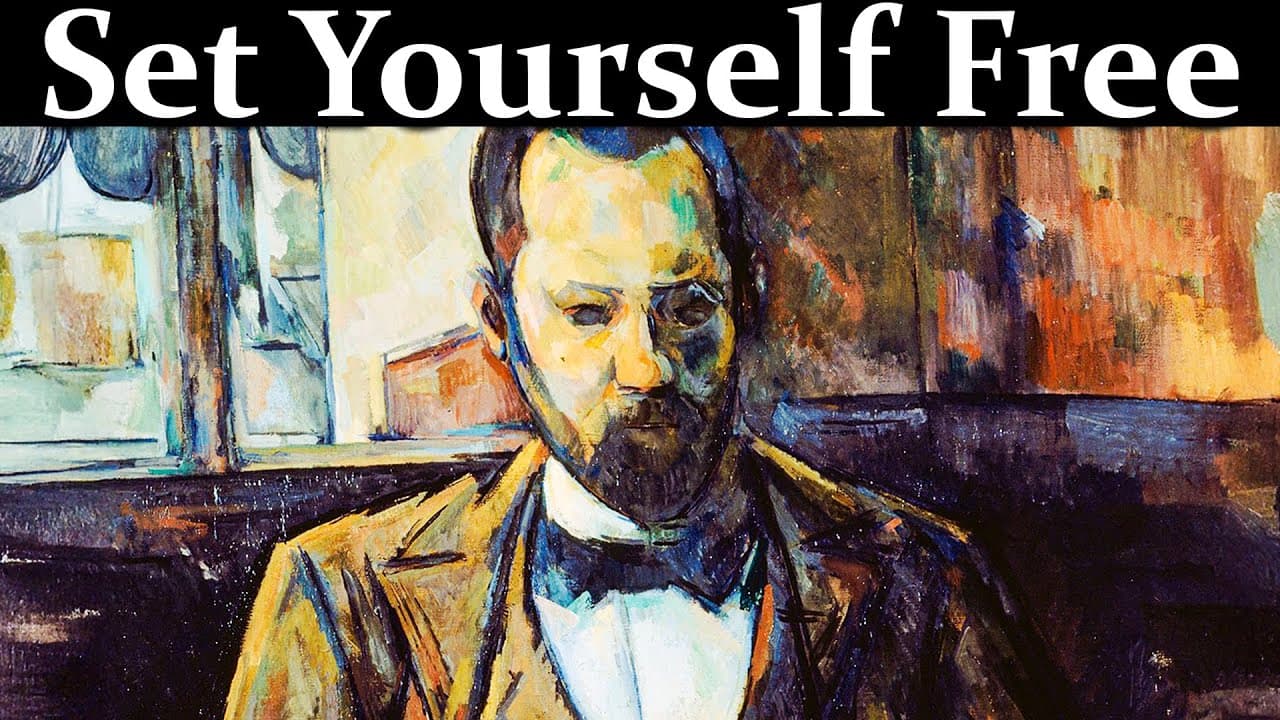
Carl Jung argues that true freedom comes from self-awareness and understanding the hidden aspects of our psyche. He emphasizes the importance of confronting our 'shadow'—the repressed parts of ourselves—and integrating them for personal transformation. Jung's insights on the collective unconscious and archetypes provide a framework for self-discovery, helping individuals navigate their inner worlds and achieve wholeness.
Transcript
we need more psychology We need more understanding of human nature because the only real danger that exists is man himself Have you ever stopped to think that maybe you are not who you think you are that the thoughts you have the decisions you make the desires that seem to be yours may not have come from you What if I told you that there is a hidde... Read More
Key Insights
- Carl Jung emphasized the importance of understanding human nature, as the greatest danger to mankind is often man himself.
- Jung introduced the concept of the shadow, the hidden aspects of our personality that we deny or repress, which can control our lives if not acknowledged.
- He believed in the collective unconscious, a shared layer of the psyche that influences human behavior through archetypes and symbols.
- Jung's process of individuation involves integrating the shadow and other unconscious elements to become a whole, authentic self.
- Dreams are viewed by Jung as messages from the unconscious, offering guidance and insights through symbolic language.
- Archetypes, such as the hero or the shadow, are universal patterns in the psyche that shape our behaviors and experiences.
- Modern society's focus on external success and productivity often leads to a disconnection from the self, a situation Jung's ideas aim to address.
- Jung's work remains relevant today, offering a path to inner transformation and understanding amidst the psychological challenges of modern life.
- More videos with Carl Jung:
Install to Summarize YouTube Videos and Get Transcripts
Explore YouTube Video Summarizer or Get YouTube Transcript Extractor
Questions & Answers
Q: What is the significance of Carl Jung's concept of the shadow?
Carl Jung's concept of the shadow refers to the unconscious part of the personality that contains repressed weaknesses, desires, and instincts. It is significant because unacknowledged shadows can control behavior and lead to repeated negative patterns. By confronting and integrating the shadow, individuals can achieve greater self-awareness and personal growth.
Q: How does Jung's idea of the collective unconscious differ from personal unconscious?
The collective unconscious, according to Jung, is a universal layer of the psyche shared by all humans, containing archetypes and symbols inherited from our ancestors. It differs from the personal unconscious, which consists of individual experiences and memories. The collective unconscious influences behavior and thought patterns on a deeper, more universal level.
Q: What role do archetypes play in Jungian psychology?
Archetypes in Jungian psychology are universal, primordial symbols and patterns that reside in the collective unconscious. They manifest in dreams, myths, and cultural narratives, influencing emotions and behaviors. Recognizing and integrating these archetypes can lead to a more profound understanding of oneself and the underlying motivations driving personal and collective experiences.
Q: Why are dreams important in Jung's psychological theory?
Dreams are crucial in Jung's theory as they serve as a communication channel from the unconscious to the conscious mind. They provide symbolic messages that can guide individuals toward self-awareness and balance. By interpreting dreams, one can uncover hidden emotions, desires, and conflicts, aiding in the individuation process and personal development.
Q: What is individuation, and why is it important?
Individuation is the process of integrating the conscious and unconscious parts of the psyche to become a whole, authentic self. It is important because it leads to personal growth, self-awareness, and fulfillment. By confronting and reconciling internal conflicts, individuals can transcend societal masks and live in alignment with their true essence.
Q: How does modern society affect our connection to Jung's concepts?
Modern society often prioritizes external achievements and superficial success, leading to a disconnection from the self. This environment can suppress the exploration of the unconscious and the integration of the shadow, resulting in psychological distress. Jung's concepts offer a path to reconnect with the self, addressing the emptiness and fragmentation prevalent in contemporary life.
Q: What is the significance of symbols in Jungian analysis?
Symbols are significant in Jungian analysis as they represent the language of the unconscious. They appear in dreams, myths, and cultural narratives, providing insights into the psyche. Understanding these symbols can reveal hidden truths about one's emotions, desires, and conflicts, facilitating personal growth and the individuation process.
Q: Why is Jung's work considered relevant today?
Jung's work is relevant today because it addresses the psychological challenges of modern life, such as anxiety, depression, and identity crises. His emphasis on self-awareness, integration of the unconscious, and the search for meaning offers a framework for navigating the complexities of contemporary existence, promoting mental well-being and personal transformation.
Summary & Key Takeaways
-
Carl Jung's theories explore the depths of the human psyche, including the shadow and collective unconscious, offering insights into self-discovery and transformation. His ideas emphasize the importance of integrating the unconscious to achieve wholeness.
-
Jung's concept of individuation involves confronting and integrating repressed aspects of the self, a journey that leads to authentic selfhood. This process is essential for overcoming internal conflicts and living a fulfilled life.
-
Dreams and archetypes play a vital role in Jung's psychology, serving as guides to understanding the unconscious. By interpreting these symbols, individuals can gain profound insights into their behaviors and emotions.
Read in Other Languages (beta)
Share This Summary 📚
Summarize YouTube Videos and Get Video Transcripts with 1-Click
Try YouTube Summary with ChatGPT & Claude or YouTube Transcript Generator
Explore More Summaries from Psyphoria 📚

Summarize YouTube Videos and Get Video Transcripts with 1-Click
Try YouTube Summary with ChatGPT & Claude or YouTube Transcript Generator