What Is Nietzsche's Will to Power and Why Is It Vital?
TL;DR
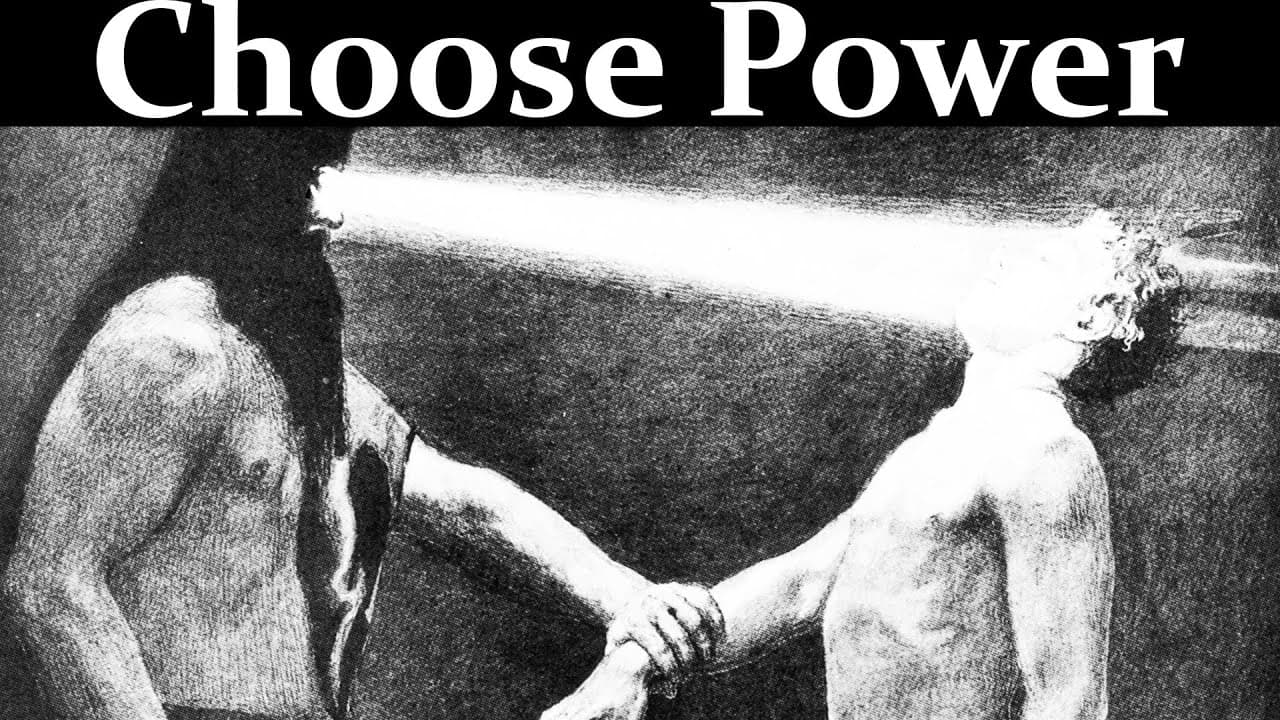
Nietzsche's 'will to power' emphasizes that individuals should seek strength through overcoming personal challenges instead of pursuing comfort or happiness. This philosophy advocates for embracing pain as a necessary catalyst for growth, encouraging self-mastery and the creation of one's own values, leading to true power and freedom in life.
Transcript
have you ever felt like you are living a life that isn't really yours that despite everything seeming in order inside something is broken suffocated dormant Maybe no one sees it Maybe you can't even explain it clearly But you feel it a silent anguish a discomfort that disguises itself as boredom apathy fatigue And that's where the problem begins Yo... Read More
Key Insights
- Nietzsche argues that true strength comes from overcoming personal challenges, not from seeking comfort or happiness.
- The concept of the 'will to power' is central to Nietzsche's philosophy, focusing on self-mastery and personal growth rather than domination of others.
- He criticizes the societal norms that promote comfort and avoidance of pain, suggesting they weaken individuals.
- The 'eternal recurrence' is a test of authenticity, asking if one would live their life repeatedly with all its pain and mistakes.
- Nietzsche's idea of the 'overman' represents an individual who creates their own values and meaning, breaking free from societal norms.
- Suffering is seen as an essential part of transformation, with pain acting as a catalyst for growth and strength.
- The modern world, according to Nietzsche, encourages conformity and mediocrity, which stifles the will to power.
- True freedom and power come from self-overcoming, facing one's fears, and rejecting societal expectations.
Install to Summarize YouTube Videos and Get Transcripts
Explore YouTube Video Summarizer or Get YouTube Transcript Extractor
Questions & Answers
Q: What is the 'will to power' according to Nietzsche?
The 'will to power' is a central concept in Nietzsche's philosophy, representing the drive for self-mastery, growth, and overcoming personal challenges. It is not about dominating others but about conquering one's internal world, transforming pain into strength, and continuously striving to become more than one currently is.
Q: How does Nietzsche view suffering and pain?
Nietzsche views suffering and pain as essential components of transformation and growth. He believes that true strength emerges from facing and overcoming challenges, with pain acting as a catalyst for personal development. Rather than avoiding discomfort, Nietzsche encourages embracing it as a tool for self-overcoming.
Q: What is the concept of 'eternal recurrence'?
The 'eternal recurrence' is a philosophical concept proposed by Nietzsche, asking individuals to consider living their life repeatedly, with all its mistakes and pain. It serves as a test of authenticity, challenging people to live in a way that they would willingly repeat their life infinitely, thus emphasizing the importance of living with purpose and meaning.
Q: Who is the 'overman' in Nietzsche's philosophy?
The 'overman' or 'Übermensch' is Nietzsche's ideal of an individual who transcends societal norms and mediocrity. This person creates their own values, meaning, and purpose in life, breaking free from inherited beliefs and the need for external validation. The 'overman' represents the pinnacle of self-overcoming and personal transformation.
Q: What critique does Nietzsche have of modern society?
Nietzsche critiques modern society for promoting comfort, conformity, and mediocrity, which he believes weaken individuals. He argues that societal norms encourage people to avoid pain and discomfort, leading to a domesticated and withered spirit. Nietzsche advocates for embracing the will to power to achieve true strength and freedom.
Q: How does Nietzsche's philosophy view happiness?
Nietzsche's philosophy views the pursuit of happiness as a seductive but weakening goal. He argues that true fulfillment comes not from seeking happiness, but from embracing the will to power, which involves overcoming personal challenges and transforming pain into strength. Happiness is seen as a byproduct of growth, not the primary goal.
Q: What role does self-overcoming play in Nietzsche's philosophy?
Self-overcoming is a crucial aspect of Nietzsche's philosophy, emphasizing the need to confront and transcend one's fears, weaknesses, and societal conditioning. It involves a continuous process of personal growth and transformation, where individuals challenge their limitations and strive to become more than they are, embodying the will to power.
Q: Why does Nietzsche believe that comfort is detrimental to personal growth?
Nietzsche believes that comfort is detrimental to personal growth because it encourages stagnation and conformity. He argues that avoiding pain and discomfort leads to weakness, as true strength and transformation arise from facing and overcoming challenges. Comfort is seen as an obstacle to the will to power, which requires embracing struggle and chaos.
Summary & Key Takeaways
-
Nietzsche's philosophy challenges the pursuit of happiness, advocating for the 'will to power' as a means to achieve true strength and self-mastery. This involves embracing pain and struggle as essential elements of personal growth.
-
The 'overman' is Nietzsche's ideal of someone who transcends societal norms and mediocrity, creating their own values and meaning in life. This requires a willingness to face and overcome personal challenges and fears.
-
Modern society, according to Nietzsche, promotes comfort and conformity, which weakens individuals. True power and freedom come from self-overcoming and rejecting societal expectations, embracing the chaos and pain of life as a path to growth.
-
(Content reviewed on 2026-08-27.)
Read in Other Languages (beta)
Share This Summary 📚
Summarize YouTube Videos and Get Video Transcripts with 1-Click
Try YouTube Summary with ChatGPT & Claude or YouTube Transcript Generator
Explore More Summaries from Psyphoria 📚

Summarize YouTube Videos and Get Video Transcripts with 1-Click
Try YouTube Summary with ChatGPT & Claude or YouTube Transcript Generator