Why Does Modern Life Feel So Empty and Anxious?
TL;DR
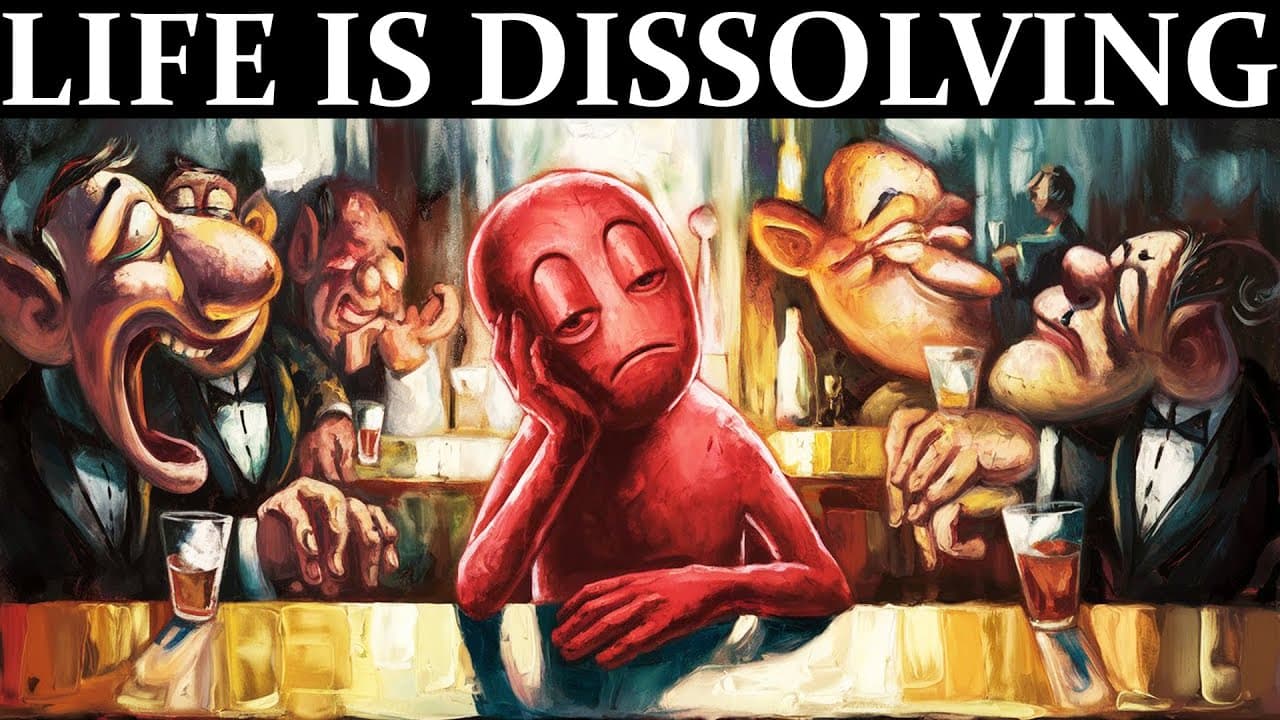
Modern life feels empty due to the instability of liquid society, where nothing is permanent and everything is replaceable. This leads to anxiety, loneliness, and a fragile identity shaped by consumerism and external validation. To escape this cycle, it's essential to value permanence, disconnect from consumer identity, and embrace introspection.
Transcript
have you ever had the feeling that something is deeply wrong with modern life but you can't quite put your finger on what it is as if despite all the technological achievements the endless possibilities of choice and the promise of Freedom there is a constant emptiness a silent restlessness that never goes away you wake up grab your phone see a flo... Read More
Key Insights
- Modern life feels empty due to the instability and constant change inherent in liquid society, where nothing is permanent and everything is replaceable.
- Zygmunt Bauman's concept of liquid modernity describes a world where traditional structures have dissolved, leading to anxiety and a lack of continuity in our lives.
- The pressure to constantly reinvent ourselves and prove our worth creates a fragile identity based on consumerism and external validation.
- Social media amplifies the need for external validation, turning identity into a public spectacle and increasing feelings of inadequacy and irrelevance.
- Relationships have become disposable, with a fear of permanence leading to superficial connections and a reluctance to commit deeply to others.
- The excess of choices and possibilities in modern society leads to paralysis and procrastination, as the promise of something better always looms.
- Despite increased digital connectivity, people feel lonelier than ever, as superficial ties fail to fulfill the human need for deep connection.
- Resisting the emptiness of modern life involves recognizing the problem, valuing permanence, disconnecting from consumer identity, and embracing stillness and introspection.
Install to Summarize YouTube Videos and Get Transcripts
Explore YouTube Video Summarizer or Get YouTube Transcript Extractor
Questions & Answers
Q: What is liquid modernity according to Zygmunt Bauman?
Liquid modernity, as described by Zygmunt Bauman, refers to a societal condition where traditional structures and certainties have dissolved, resulting in a world of constant change and instability. In this liquid society, nothing is permanent, and everything is replaceable, leading to anxiety, insecurity, and a lack of continuity in people's lives.
Q: How does social media contribute to the emptiness of modern life?
Social media contributes to the emptiness of modern life by amplifying the need for external validation. It transforms identity into a public spectacle, where every interaction is carefully curated to project an idealized self. This creates a fragile identity based on likes and comments, increasing feelings of inadequacy and irrelevance when validation is not received.
Q: Why are relationships seen as disposable in liquid modernity?
In liquid modernity, relationships are seen as disposable due to the fear of permanence and the consumerist mindset. Just as we seek the next novelty or upgrade in products, we are conditioned to avoid commitments that require effort and patience. This leads to superficial connections, where any difficulty prompts a quick exit, preventing deep, meaningful bonds from forming.
Q: What psychological effects does liquid modernity have on individuals?
Liquid modernity causes significant psychological effects, including chronic anxiety, insecurity, and a constant feeling of being adrift. The pressure to continually reinvent oneself and the lack of stable, enduring structures lead to a fragile sense of identity. The overwhelming choices and possibilities also result in paralysis, procrastination, and a pervasive sense of dissatisfaction and loneliness.
Q: How does consumerism shape identity in modern society?
In modern society, consumerism shapes identity by tying self-worth to what we consume and how we present ourselves. Our appearance, gadgets, and experiences become products that communicate status and desirability. This creates a fragile self-image that requires constant updating, as new products and trends emerge, leading to a never-ending cycle of self-reinvention and inadequacy.
Q: What role does external validation play in liquid society?
External validation plays a crucial role in liquid society by dictating self-worth and identity. Social media and consumer culture encourage individuals to seek approval through likes, comments, and shares. This external validation becomes a measure of relevance and success, leading to anxiety and a fragile sense of self when such validation is not received or is fleeting.
Q: How can individuals resist the emptiness of modern life?
To resist the emptiness of modern life, individuals can recognize the problem, value permanence, and disconnect from consumer identity. Embracing stillness and introspection, committing to meaningful relationships and projects, and focusing on internal purpose rather than external validation are key steps. Building something solid requires going against the tide of superficiality and embracing depth.
Q: What is the paradox of freedom in liquid society?
The paradox of freedom in liquid society lies in the idea that while we are liberated from rigid structures and given endless possibilities, this freedom leads to instability and a lack of identity. The promise of being anything results in feeling adrift, as the constant change and fluidity prevent us from establishing a solid sense of self and meaningful connections.
Summary & Key Takeaways
-
Modern life is characterized by a sense of emptiness due to the instability and fluidity of liquid society, where nothing is permanent and everything is replaceable. This leads to anxiety, loneliness, and a lack of continuity in our lives.
-
Zygmunt Bauman's concept of liquid modernity describes a world where traditional structures have dissolved, resulting in a fragile identity based on consumerism and external validation. Social media amplifies this need for validation, increasing feelings of inadequacy.
-
To escape the cycle of dissatisfaction, we must recognize the problem, value permanence, disconnect from consumer identity, and embrace stillness and introspection. Building something solid amidst the chaos requires commitment and a focus on internal purpose.
Read in Other Languages (beta)
Share This Summary 📚
Summarize YouTube Videos and Get Video Transcripts with 1-Click
Try YouTube Summary with ChatGPT & Claude or YouTube Transcript Generator
Explore More Summaries from Psyphoria 📚





Summarize YouTube Videos and Get Video Transcripts with 1-Click
Try YouTube Summary with ChatGPT & Claude or YouTube Transcript Generator