How Can Active Recovery Boost My Productivity?
TL;DR
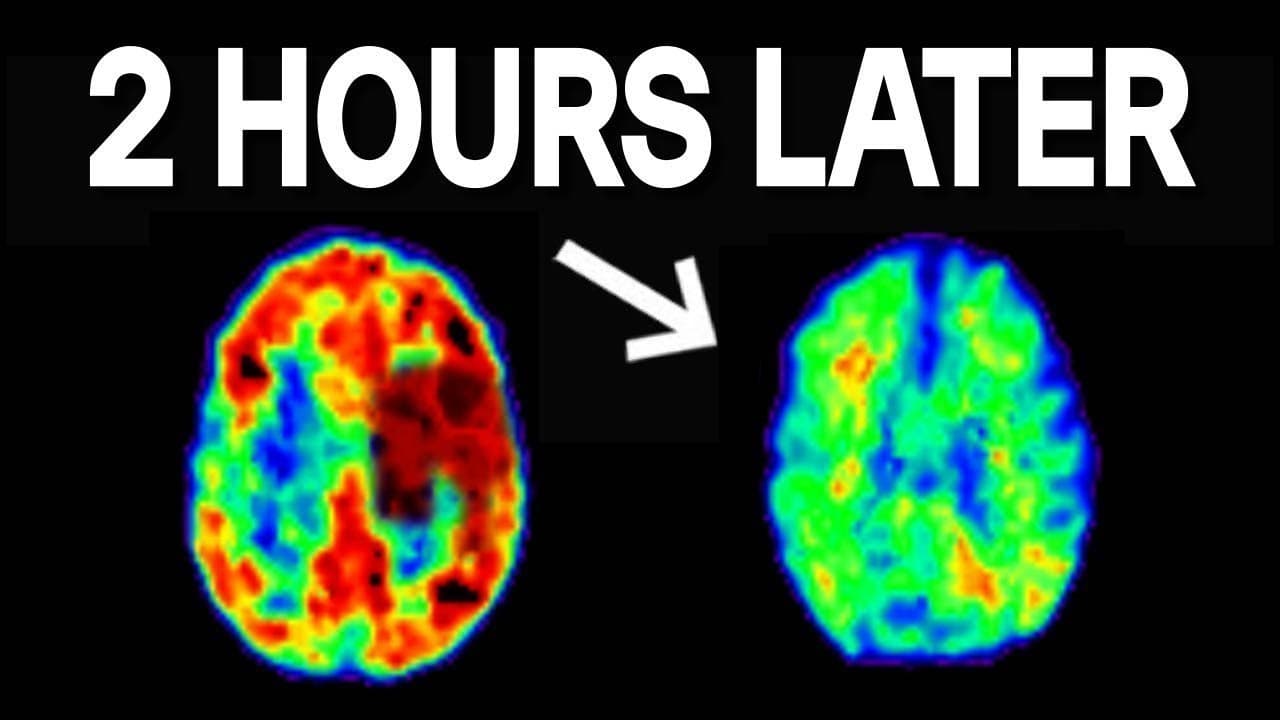
Active recovery, unlike mere relaxation, is essential for reducing allostatic load and enhancing productivity. Incorporating techniques like breathwork, cold therapy, and spending time in nature can restabilize your nervous system and promote rejuvenation. Adopting a routine of active recovery allows you to oscillate effectively between work and rest, maximizing your energy for peak performance.
Transcript
sometimes you just feel a lack of drive a lack of zest or motivation and it's really difficult to even begin a task in the first place what if what you do while you're not working is actually the number one determinant of your success at work now Marian DARS co-founder and CEO of the flow research Collective and along my partner Stephen Cutler we h... Read More
Key Insights
- 🥺 Allostatic load, the accumulation of stress, can impede productivity and lead to physical limitations.
- ✋ Flow state, characterized by a balance of neurotransmitters and hormones, is disrupted under high allostatic load, affecting productivity.
- ☢️ Active recovery, involving specific protocols, promotes healing, reduces allostatic load, and replenishes neurochemicals.
- ☢️ Active recovery should be integrated daily, weekly, monthly, quarterly, and annually for optimal performance.
- 🙊 Energy management and optimal recovery are essential for peak performance.
- 🥺 Living like a lion, with binary states of intense work and deep recovery, leads to higher productivity.
Install to Summarize YouTube Videos and Get Transcripts
Explore YouTube Video Summarizer or Get YouTube Transcript Extractor
Questions & Answers
Q: What is allostatic load and how does it affect productivity?
Allostatic load refers to the physical wear and tear on the body and mind caused by constantly adapting to life's pressures. When the load is high, productivity and cognitive functions are affected, hindering performance at work.
Q: How does active recovery differ from relaxation?
Active recovery is distinct from relaxation and involves activities that promote healing and rejuvenation, both mentally and physically. Relaxation alone does not effectively reduce allostatic load or replenish neurochemicals used during work.
Q: How can active recovery protocols be measured for effectiveness?
Active recovery's effectiveness can be measured through heart rate variability (HRV), which indicates stress and recovery balance in the body. Increasing HRV over time indicates that a protocol is functioning as recovery. Subjectively, effective active recovery should provide a dramatic neurophysiological reset, akin to a mini-vacation.
Q: How should active recovery be integrated into one's routine?
Active recovery should be scheduled daily, with practices like breathwork, cold therapy, exercise, and nature exposure. Weekly, take a day to stack multiple active recovery protocols. Every month, dedicate three whole days to recovery, and every quarter, take a full 10-day period. Finally, take a full two-week vacation annually for a complete reboot.
Summary & Key Takeaways
-
Allostatic load, the wear and tear on the body from constant stress, can hinder productivity and contribute to physical limitations.
-
Flow state, characterized by a balance of neurotransmitters and hormones, is disrupted under high allostatic load, leading to decreased productivity.
-
Active recovery, involving specific protocols like breathwork, cold therapy, heat therapy, meditation, exercise, nature exposure, and sleep, helps reduce allostatic load and promote rejuvenation.
Read in Other Languages (beta)
Share This Summary 📚
Summarize YouTube Videos and Get Video Transcripts with 1-Click
Try YouTube Summary with ChatGPT & Claude or YouTube Transcript Generator
Explore More Summaries from Rian Doris 📚

Summarize YouTube Videos and Get Video Transcripts with 1-Click
Try YouTube Summary with ChatGPT & Claude or YouTube Transcript Generator