How 9/11 Reshaped U.S. Surveillance and the CIA
TL;DR
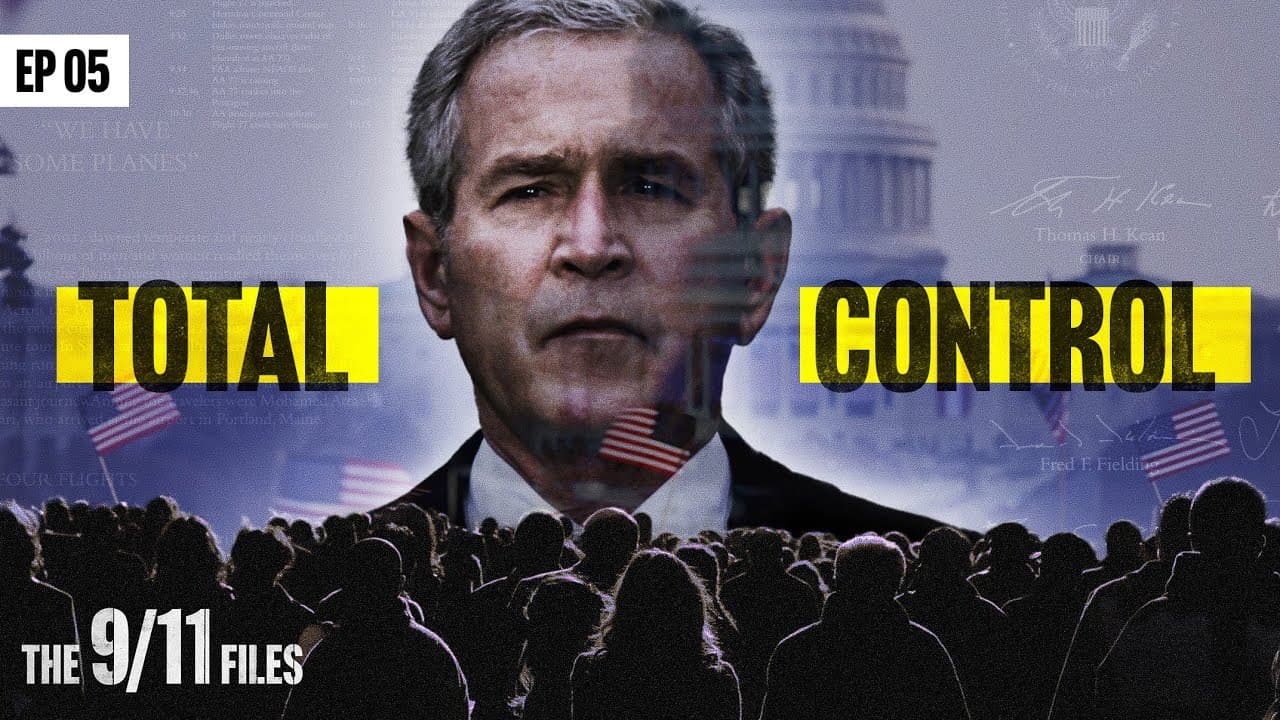
Post-9/11 reforms expanded government surveillance, detention, airport security, and CIA paramilitary operations, although the featured interviewees argue that existing intelligence could have prevented the attacks. They also contend that torture produced unreliable confessions, while the 9/11 Commission relied on information obtained from detainees and recommended giving more power to agencies that had failed before the attacks.
Transcript
The 9/11 Commission failed to fulfill the single task it was charged with: explaining how 9/11 happened and why. Instead, it lied. But the 9/11 Commission did achieve another goal. Bush is winning, baby! It protected the Bush administration, which went on to win a resounding reelection victory in the 2004 elections. It also provided a basis to radi... Read More
Key Insights
- The episode's central claim is that the 9/11 Commission did not fulfill its assigned task of explaining how and why the attacks happened. It argues that the commission instead protected the Bush administration and supplied recommendations that expanded the authority of intelligence and law enforcement agencies.
- Kristen Breitweiser's position is that the attacks could have been prevented using information already held by the U.S. government. She says officials had identified the hijackers, knew where they were going, and understood what they were doing, making new surveillance legislation unnecessary for prevention.
- The Patriot Act expanded access to personal and business records with minimal or no judicial oversight, according to the episode. The described powers include roving wiretaps, searches conducted without notification, National Security Letters issued without court approval, and gag orders preventing recipients from disclosing FBI activity.
- The PRISM program is described as an NSA surveillance program created in 2007. According to the transcript, it enabled warrantless monitoring of phone calls, emails, and Internet activity, including surveillance involving American citizens who had done nothing wrong.
- The CIA's mission changed after 9/11 from recruiting spies and analyzing stolen secrets to conducting paramilitary operations, according to John Kiriakou. He describes being sent to Pakistan in January 2002 and organizing increasingly frequent raids against suspected terrorist safe houses.
- The detention system developed into a plan for holding hundreds of people, including U.S. citizens, without formal charges or trials, according to Kiriakou. The plan also involved indefinite imprisonment, torture labeled as enhanced interrogation, transfers to Guantanamo, and ordinary or extraordinary rendition.
- The CIA torture program was justified through a 2002 Justice Department memo, according to the episode. Methods identified in the transcript include waterboarding, stress positions, sleep deprivation, and confinement in small spaces, with interrogations occurring at secret sites across several countries.
- Torture produces information that is unreliable because prisoners may say whatever they believe interrogators want to hear. The episode uses Khalid Sheikh Mohammed's confession to killing Daniel Pearl as its central example, stating that another man had already confessed and guided authorities to Pearl's torso.
Install to Summarize YouTube Videos and Get Transcripts
Explore YouTube Video Summarizer or Get YouTube Transcript Extractor
Questions & Answers
Q: Why does the episode criticize the 9/11 Commission?
The episode argues that the 9/11 Commission failed to explain adequately how and why the attacks happened, which it presents as the commission's primary responsibility. It further claims that the commission protected the Bush administration, helped provide a basis for its 2004 reelection victory, and recommended reforms that expanded the powers of intelligence and law enforcement agencies that had failed to stop the attacks.
Q: Could existing intelligence have prevented the 9/11 attacks?
Kristen Breitweiser argues that the U.S. government already possessed every piece of information needed to prevent the attacks. She says the hijackers had been fully identified and that officials knew where they were going and what they were doing. From her perspective, the failure resulted from agencies not using available information, rather than from insufficient surveillance authority or missing laws.
Q: How did the Patriot Act expand government surveillance powers?
The episode says the Patriot Act allowed government access to business records, including library and bookstore records, with minimal or no judicial oversight. It also describes roving wiretaps covering multiple phones, searches of homes and businesses without notification, and National Security Letters that let the FBI obtain personal records without court approval while imposing gag orders on recipients.
Q: What was the PRISM surveillance program described in the episode?
The transcript describes PRISM as a National Security Agency program created in 2007. It says the program conducted warrantless surveillance involving phone calls, emails, and Internet activity. The episode emphasizes that much of this monitoring involved American citizens who had done nothing wrong, presenting PRISM as part of the broader expansion of state surveillance after the attacks.
Q: How did the CIA's role change after 9/11?
John Kiriakou says the CIA changed from an intelligence service focused on recruiting spies, stealing secrets, and analyzing information for policymakers into a paramilitary organization. In his description, its new mission centered on capturing or killing anyone considered a possible threat to the United States. His account of raids in Pakistan illustrates how quickly operational activity expanded under that approach.
Q: How did detainees begin being transferred to Guantanamo?
Kiriakou says captured suspects were initially placed in the jail at Rawalpindi after CIA-led operations conducted with the FBI and Pakistani intelligence. As raids increased, that jail became full. When Pakistani officials demanded that prisoners be removed, CIA headquarters instructed Kiriakou to place them on a transport plane and send them to Guantanamo under a newly developed detention plan.
Q: Why does the episode say torture produced unreliable intelligence?
The episode argues that severe pain and fear cause detainees to make statements intended to stop their suffering, regardless of whether those statements are true. It cites Khalid Sheikh Mohammed's confession to killing Daniel Pearl, even though the transcript says another man had confessed, directed Pakistani authorities to Pearl's torso, and received a life sentence. The episode therefore questions other torture-derived claims.
Q: What interrogation methods and secret sites are described?
The transcript says a 2002 Justice Department memo authorized waterboarding, stress positions, sleep deprivation, and confinement in small spaces. It also identifies secret CIA detention sites in Afghanistan, Poland, Romania, Thailand, and other countries. Kiriakou says some national leaders did not know the prisons existed because arrangements were made directly between intelligence service leaders.
Summary & Key Takeaways
-
The episode argues that the 9/11 Commission failed to explain adequately how and why the attacks occurred while protecting the Bush administration politically. Its recommendations supported major institutional changes, including expanded intelligence authority, a Director of National Intelligence, broader TSA operations, and surveillance powers that affected people who were not accused of wrongdoing.
-
Kristen Breitweiser contends that government agencies possessed enough information to identify the hijackers and prevent the attacks without new surveillance laws. The episode describes Patriot Act provisions involving business records, roving wiretaps, searches without notification, National Security Letters, limited court oversight, and gag orders restricting disclosure of FBI requests.
-
John Kiriakou describes the CIA shifting from recruiting spies and analyzing secrets toward capturing or killing suspected threats. He recounts raids in Pakistan, transfers to Guantanamo, secret overseas prisons, indefinite detention, extraordinary rendition, and interrogation methods authorized by a 2002 Justice Department memo, while emphasizing that torture generated unreliable confessions.
Read in Other Languages (beta)
Share This Summary 📚
Summarize YouTube Videos and Get Video Transcripts with 1-Click
Try YouTube Summary with ChatGPT & Claude or YouTube Transcript Generator
Explore More Summaries from Tucker Carlson 📚




Summarize YouTube Videos and Get Video Transcripts with 1-Click
Try YouTube Summary with ChatGPT & Claude or YouTube Transcript Generator