How Can America Avoid an Economic Crisis?
TL;DR
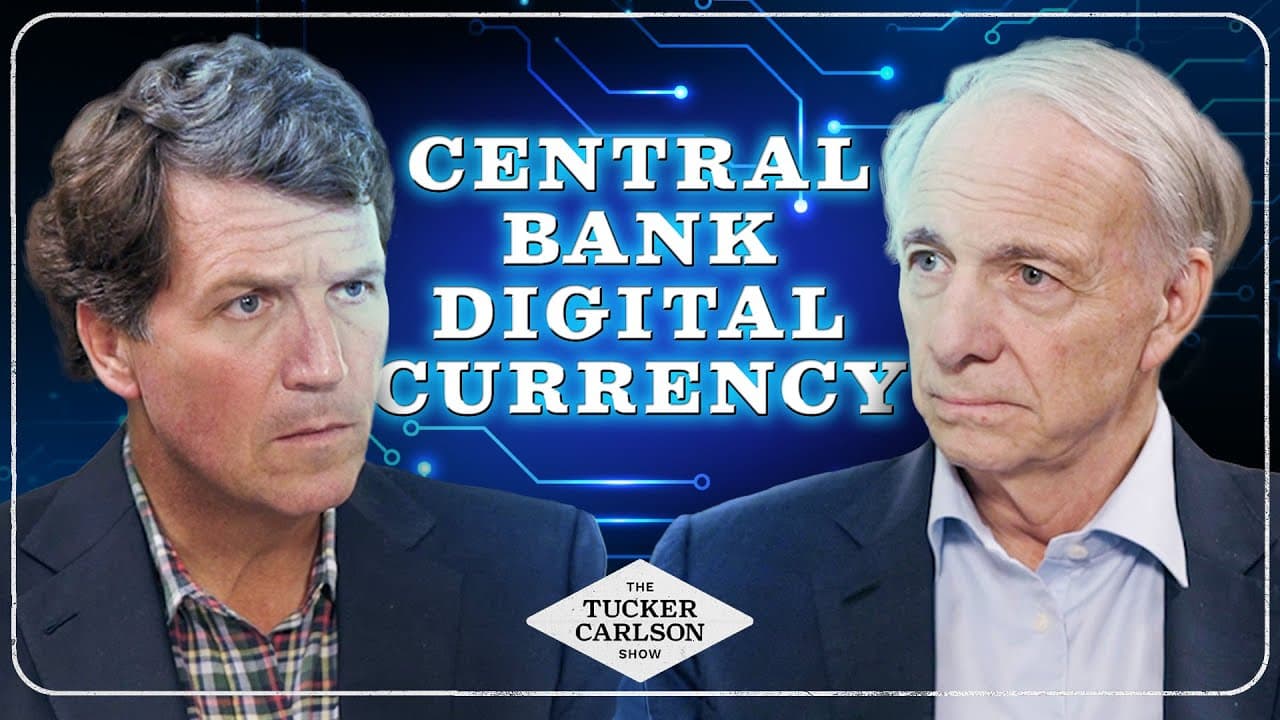
America can reduce the risk of economic and political crisis by managing debt, preserving confidence in institutions, and restoring a willingness to compromise. Ray Dalio argues that monetary stress, widening wealth and values gaps, geopolitical rivalry, acts of nature, and technological change interact in recurring historical cycles that can destabilize both domestic government and the world order.
Transcript
Ray Dalio, thank you very much. We spoke last year in exactly this place and, and you outlined in part kind of the, the cycle that you see in civilizations, uh, vying for supremacy in, in, of the world. Um, and not everyone, I think, bought, kind of bought into your views on this, and you were derided as, um, you know, a Jeremiah, scaring people an... Read More
Key Insights
- The monetary order is a system in which money creates credit, borrowers use that credit, and successful investments generate enough income to repay debts. The arrangement supports productivity, opportunity, and capital markets while debt remains manageable relative to the income available for servicing it.
- Debt becomes destabilizing when debt-service payments rise relative to income and squeeze out other spending. Individuals and companies face this constraint directly, while governments have the additional ability to print money, which changes how the pressure appears but does not eliminate the underlying imbalance.
- Reserve-currency status allows the United States to sell more debt because international participants hold dollar-denominated assets. Since one person’s debt is another person’s asset, rising issuance eventually creates a supply-and-demand problem, especially when political and geopolitical tensions make those holdings appear less secure.
- Domestic political order weakens when large wealth and values differences create a widespread belief that the system is not working. That dissatisfaction encourages populism on both the left and right, increases polarization, and makes compromise or acceptance of political defeat progressively more difficult.
- Democracy is endangered when political causes become more important to citizens than the rules and institutions governing disagreement. Doubts about elections, courts, appointments, and legal proceedings erode willingness to accept outcomes, making the system vulnerable to replacement by a different form of government.
- Tribalism works by reducing political, ethnic, or economic opponents to stereotypes rather than treating them as human beings. The resulting loss of empathy turns disagreement into a fight between opposing identities and leaves people feeling that they must fight, remain inconspicuous, or flee.
- The geopolitical order depends on both rules and enforcement. Institutions created after World War II promoted multilateral decision-making, but Dalio argues that such arrangements weaken when their rules conflict with the interests of the most powerful countries and power begins to override institutional authority.
- Technology is a major force because new inventions influence prosperity, military capability, and competition among countries. Dalio connects technological leadership with economic and geopolitical strength, particularly when a rising power challenges an established power without a higher court capable of resolving their dispute.
Install to Summarize YouTube Videos and Get Transcripts
Explore YouTube Video Summarizer or Get YouTube Transcript Extractor
Questions & Answers
Q: What forces drive Ray Dalio’s cycle of civilizations?
Ray Dalio identifies five interacting forces: the monetary and economic system, the domestic political order, the geopolitical order, acts of nature, and new technology. Debt accumulation can strain spending, wealth and values gaps can intensify polarization, powerful countries can challenge international rules, disasters can disrupt societies, and technological leadership can shape prosperity and military power.
Q: How does excessive debt create an economic crisis?
Excessive debt becomes dangerous when required debt-service payments rise faster than income and begin squeezing out other spending. This mechanism affects individuals, companies, and governments, although governments can also print money. At the national level, continued issuance adds a supply-and-demand problem because every debt is held by someone else as an asset that must retain credibility.
Q: Why does reserve-currency status matter for United States debt?
Reserve-currency status enables the United States to sell substantial amounts of dollar-denominated debt to holders who treat those obligations as assets. The arrangement supports borrowing while demand remains strong. Risk grows when the supply of debt keeps expanding or when domestic politics and geopolitical conflict reduce confidence, making holders less willing to maintain or increase their exposure.
Q: How can political polarization threaten democracy?
Political polarization threatens democracy when citizens become unwilling to compromise, accept an electoral loss, or recognize institutions as legitimate. If people assume that courts, laws, or appointments are rigged, their preferred cause can become more important than the shared system. Dalio argues that this loss of institutional trust can push democracies toward a different, potentially autocratic order.
Q: Why does Ray Dalio compare current conditions with the 1930s?
Dalio uses the 1930s as an example of intense wealth differences, populism, and political polarization producing irreconcilable conflict. He says four democracies chose to become autocracies during that period. His broader point is that severe partisanship can create gridlock, weaken acceptance of democratic rules, and make concentrated authority appear necessary to resolve disputes that the existing system cannot settle.
Q: How does tribalism make civil conflict more likely?
Tribalism makes conflict more likely by dividing people into rigid political, ethnic, or economic groups with little common ground. Opponents become stereotypes instead of recognizable individuals, which reduces empathy and makes hostility easier. Dalio says that when reconciliation and compromise disappear, people may believe their only choices are to join a side and fight, keep their heads down, or flee.
Q: Why can a multilateral world order break down?
A multilateral order relies on institutions, agreed rules, representation, and some means of enforcement. Dalio points to organizations created after World War II as expressions of this model. He argues that the system becomes unstable when its decisions conflict with the interests of the most powerful countries, because no international framework can function reliably when power consistently overrides its rules.
Q: How should people interpret warnings about economic and political crisis?
Dalio presents the warnings as a framework for examining recurring mechanisms rather than as moral judgments or certain predictions. He divides the larger cycle into stages, compares their symptoms with a progressing disease, and looks at the choices available at each stage. His approach comes from six decades as a macro investor who must form views about future conditions and place financial bets accordingly.
Summary & Key Takeaways
-
Ray Dalio describes civilizations as operating through interconnected monetary, domestic political, and geopolitical systems. These orders develop, accumulate pressures, and eventually change. He treats historical patterns as a practical framework for recognizing symptoms, understanding the stage of a cycle, and evaluating the choices available to leaders and citizens.
-
The monetary cycle begins with limited debt and expands as money and credit finance productive activity. Trouble develops when debt-service payments rise relative to income and crowd out other spending. Governments can print money, but heavy debt issuance can create supply-and-demand problems and weaken confidence in dollar-denominated assets.
-
Political stability deteriorates when wealth and values gaps convince people that the system no longer works fairly. Polarization can become irreconcilable, compromise can disappear, and political causes can take priority over shared rules. Dalio argues that democracies become endangered when citizens refuse to accept elections, courts, or legal institutions as legitimate.
Read in Other Languages (beta)
Share This Summary 📚
Summarize YouTube Videos and Get Video Transcripts with 1-Click
Try YouTube Summary with ChatGPT & Claude or YouTube Transcript Generator
Explore More Summaries from Tucker Carlson 📚

Summarize YouTube Videos and Get Video Transcripts with 1-Click
Try YouTube Summary with ChatGPT & Claude or YouTube Transcript Generator