How Will the Iran Conflict Affect Global Politics?
TL;DR
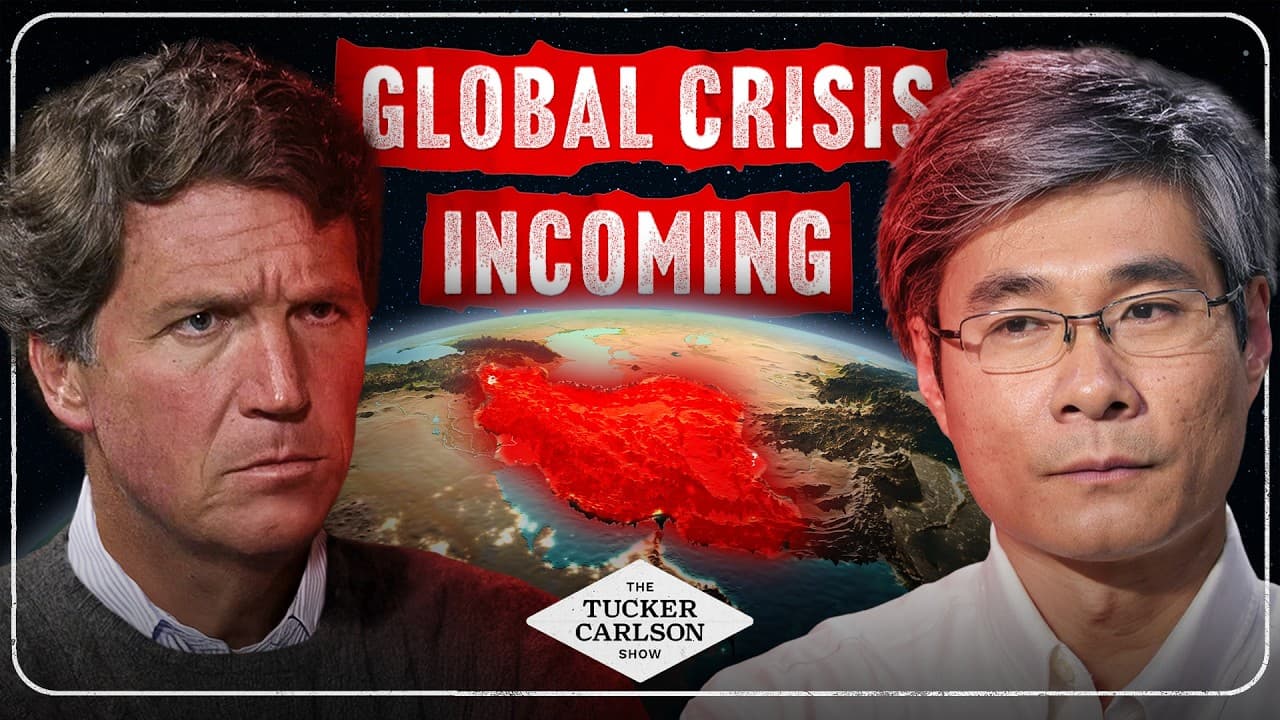
The ongoing conflict in Iran is expected to mirror the war in Ukraine, becoming a prolonged war of attrition with severe global economic repercussions. As the war escalates, it could lead to increased oil prices, food shortages, and widespread geopolitical instability, potentially involving major global players like the US, China, and Saudi Arabia. The conflict's resolution seems distant, with potential for further escalation involving ground troops and regional alliances.
Transcript
Professor, thank you very much for doing this. We've we've never met. I don't know a great deal about you, but I have seen a number uh of your videos in which you make remarkably accurate predictions. Um, so that's what I know about you and I'm impressed by that by your ability to call events before they happen. So with that in mind, let me ask you... Read More
Key Insights
- The Iran conflict is expected to become a prolonged war of attrition, similar to the Ukraine war.
- Escalation in the Iran conflict could lead to significant global economic repercussions, including increased oil prices and food shortages.
- The conflict may involve major global players like the US, China, and Saudi Arabia, potentially drawing them into direct involvement.
- Iran aims to increase oil prices to $200 a barrel, impacting the global economy reliant on cheap energy.
- The US faces challenges in negotiating a ceasefire due to Iran's demands for reparations and a permanent US exit from the Middle East.
- China is interested in a quick resolution due to its energy dependence on the GCC but lacks a geopolitical framework to intervene effectively.
- The conflict could accelerate trends of de-industrialization, remilitarization, and mercantilism, impacting global trade and economic stability.
- Israel may benefit from the conflict by advancing its Greater Israel project, potentially reshaping the Middle East's geopolitical landscape.
Install to Summarize YouTube Videos and Get Transcripts
Explore YouTube Video Summarizer or Get YouTube Transcript Extractor
Questions & Answers
Q: How will the Iran conflict impact the global economy?
The Iran conflict is expected to have severe repercussions on the global economy, primarily through increased oil prices and potential food shortages. Iran aims to raise oil prices to $200 a barrel, which could disrupt economies reliant on cheap energy. Additionally, the conflict could lead to de-industrialization and remilitarization, further destabilizing global trade and economic stability.
Q: What are the potential geopolitical consequences of the Iran conflict?
The Iran conflict could draw in major global players like the US, China, and Saudi Arabia, escalating into a broader regional conflict. The US faces challenges in negotiating a ceasefire due to Iran's demands for reparations and a permanent US exit from the Middle East. The conflict may also accelerate global trends such as de-industrialization and mercantilism, impacting international relations.
Q: How does the Iran conflict compare to the war in Ukraine?
The Iran conflict is expected to mirror the Ukraine war as a prolonged war of attrition, with neither side willing to concede defeat. Both conflicts have significant global economic impacts and involve major geopolitical players. The Iran conflict, however, has unique implications for the Middle East and global energy markets, potentially leading to further destabilization.
Q: What role does China play in the Iran conflict?
China is interested in a quick resolution to the Iran conflict due to its energy dependence on the GCC, which supplies a significant portion of its oil and natural gas. However, China lacks a geopolitical framework to effectively intervene in foreign conflicts, limiting its ability to influence the outcome. Chinese policymakers have expressed a desire for peace but face challenges in implementing effective strategies.
Q: How might Israel benefit from the Iran conflict?
Israel could benefit from the Iran conflict by advancing its Greater Israel project, which envisions expanding its territory across the Middle East. The conflict may weaken regional adversaries and reduce US influence in the region, allowing Israel to reshape the geopolitical landscape to its advantage. This could involve territorial gains and increased regional hegemony.
Q: What challenges does the US face in negotiating a ceasefire in Iran?
The US faces significant challenges in negotiating a ceasefire in Iran due to Iran's demands for reparations and a permanent US exit from the Middle East. These demands are politically and economically challenging for the US to meet. Additionally, regional allies like the GCC rely on US military protection, complicating the US's ability to withdraw from the region without destabilizing its alliances.
Q: What are the long-term implications of the Iran conflict for global trade?
The Iran conflict could accelerate a shift towards mercantilism, where nations focus on creating independent, self-sufficient supply chains. This trend could disrupt global trade and economic stability, as countries like Japan and Germany may need to expand their borders to maintain industrial strength. The conflict's impact on energy markets could further challenge international trade dynamics.
Q: How might the Iran conflict affect regional stability in the Middle East?
The Iran conflict could destabilize the Middle East by drawing in regional powers like Saudi Arabia and potentially Turkey, escalating into a broader conflict. The GCC's reliance on US military protection and the potential for increased Iranian influence could further destabilize the region. The conflict's impact on energy infrastructure and markets could exacerbate these challenges, leading to long-term instability.
Summary & Key Takeaways
-
The Iran conflict is predicted to become a drawn-out war of attrition with significant global economic impacts, including rising oil prices and potential food shortages. The involvement of major global players like the US, China, and Saudi Arabia could lead to further escalation.
-
Iran's strategy to increase oil prices to $200 a barrel could severely impact the global economy, which relies heavily on cheap energy. The US faces difficulties in negotiating a ceasefire due to Iran's demands and the geopolitical implications of a US exit from the Middle East.
-
The conflict may accelerate global trends such as de-industrialization, increased militarization, and a shift towards mercantilism, challenging the stability of international trade and relations. Israel could benefit by advancing its Greater Israel project, reshaping the geopolitical landscape.
Read in Other Languages (beta)
Share This Summary 📚
Summarize YouTube Videos and Get Video Transcripts with 1-Click
Try YouTube Summary with ChatGPT & Claude or YouTube Transcript Generator
Explore More Summaries from Tucker Carlson 📚



Summarize YouTube Videos and Get Video Transcripts with 1-Click
Try YouTube Summary with ChatGPT & Claude or YouTube Transcript Generator