Was There a Second Oklahoma City Bombing Suspect?
TL;DR
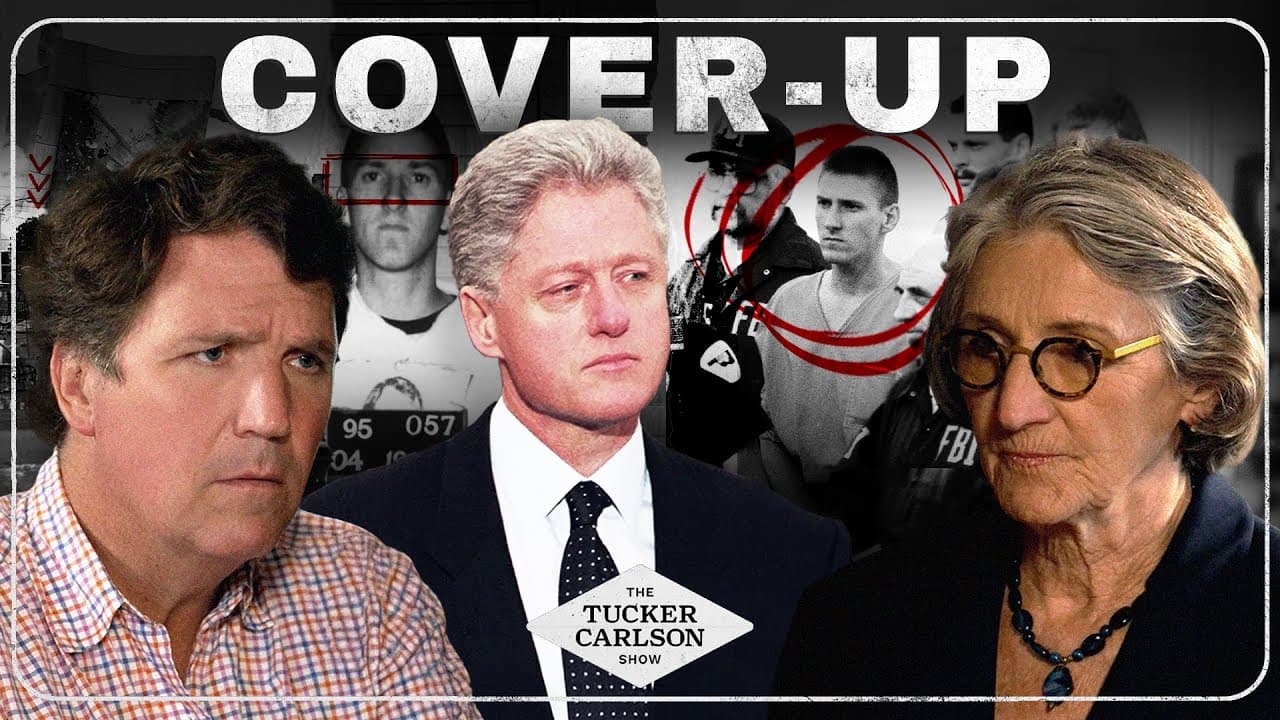
Margaret Roberts argues that eyewitness accounts raise unresolved questions about a possible second Oklahoma City bombing suspect, although the FBI ultimately concluded that Timothy McVeigh acted alone. She cites two initial suspect sketches, 24 reported witnesses, surveillance-footage claims, and the FBI’s early $2 million reward for John Doe 2. Read on to understand the competing explanations and why Roberts considers the case unresolved.
Transcript
So you're I I would say one of the living experts on the Oklahoma City bombing, which to some of us seems like just the other day, but it was 30 years ago this year. So for those not steeped in the details of the story, could just if you wouldn't mind giving us the overview, what was the Oklahoma City bombing? Sure. The Oklahoma City bombing w... Read More
Key Insights
- The Oklahoma City bombing killed 168 people at the nine-story Alfred P. Murrah Federal Building on a Wednesday morning in April 1995. The destruction became the deadliest domestic terrorist attack in the United States, according to the account presented in the interview.
- Timothy McVeigh was located within days after investigators traced a Ryder truck axle to a vehicle rented in Junction City, Kansas. McVeigh was already jailed in Perry, Oklahoma, following an arrest for driving without a license plate and carrying a concealed weapon.
- The original truck-rental investigation produced sketches of two men, not one. Employees described the second person as muscular, dark-haired, and tattooed, while the person believed to be McVeigh allegedly used the name Robert Kling to rent the vehicle.
- John Doe 2 remains unidentified, according to Roberts. She says 24 eyewitnesses reported seeing McVeigh with another man in the Ryder truck, making the second suspect the central unresolved issue in her challenge to the official account.
- The FBI initially treated John Doe 2 as a real suspect and offered a $2 million reward for his identification and capture. Roberts says the bureau began retreating from that position within a few months and eventually characterized the identification as a mistake.
- The mistaken-identity theory involved an innocent soldier who visited the body shop with a friend on a different day. The FBI concluded that a staff member had confused that visit with McVeigh's truck rental, although Roberts considers the explanation insufficient.
- Surveillance recordings were reportedly collected during the investigation, and Roberts says journalists reported that footage showed McVeigh with John Doe 2. She also says an FBI agent acknowledged during a preliminary hearing that investigators had footage of the truck traveling toward the bombing site.
- The lone-actor conclusion is disputed in the interview rather than conclusively disproved. Roberts presents eyewitness accounts, early sketches, and reported footage as conflicting evidence, while the FBI's later position holds that McVeigh was alone and John Doe 2 resulted from mistaken identity.
Install to Summarize YouTube Videos and Get Transcripts
Explore YouTube Video Summarizer or Get YouTube Transcript Extractor
Questions & Answers
Q: Was there a second Oklahoma City bombing suspect?
Margaret Roberts argues that evidence pointed to a second suspect known as John Doe 2, but no alleged accomplice was identified. The FBI initially searched for that person and offered a $2 million reward, then concluded that the identification resulted from mistaken identity and that Timothy McVeigh acted alone.
Q: Who was John Doe 2 in the Oklahoma City bombing investigation?
John Doe 2 was the name given to an unidentified man reportedly seen with the person believed to be Timothy McVeigh during the Ryder truck rental. Body-shop staff described the man as muscular, dark-haired, and tattooed, but his identity was never established.
Q: Why does Margaret Roberts dispute the lone-actor conclusion?
Roberts cites rental-agency accounts describing two men, the FBI’s original sketches of two suspects, and 24 witnesses who reportedly saw McVeigh with another man in the Ryder truck. She also points to reports of surveillance recordings and argues that the mistaken-identity explanation does not reconcile all of this evidence.
Q: What was the FBI’s mistaken-identity explanation for John Doe 2?
The FBI concluded that a body-shop employee confused McVeigh’s rental visit with a separate visit by an innocent soldier and his friend on another day. Under that explanation, the remembered second man was mistakenly placed alongside McVeigh during the truck rental.
Q: What surveillance footage was reportedly connected to the bombing?
Roberts says journalists reported that surveillance footage showed McVeigh with John Doe 2 during delivery of the bomb truck. She also says an FBI agent acknowledged at a preliminary hearing that investigators had footage of the truck traveling toward the bombing site, but the transcript does not present the recordings themselves.
Q: How did investigators locate Timothy McVeigh?
Investigators traced the vehicle identification number on the Ryder truck axle to Ryder in Florida and then to a rental agency in Junction City, Kansas. Rental-agency recollections and suspect sketches led investigators to a motel where McVeigh had registered under his own name, and they found him jailed in Perry, Oklahoma, within days.
Q: Why was Timothy McVeigh already in jail when investigators found him?
A highway patrol officer stopped McVeigh while he was driving a Mercury without a license plate near Perry, Oklahoma. The officer found that he was carrying a concealed weapon and jailed him, without initially connecting him to the bombing.
Q: What happened in the 1995 Oklahoma City bombing?
A devastating explosion struck the nine-story Alfred P. Murrah Federal Building at about 9 in the morning on a Wednesday in April 1995. It killed 168 people who were working in or visiting the building, and the interview describes it as America’s deadliest domestic terror attack.
Summary & Key Takeaways
-
The Oklahoma City bombing struck the Alfred P. Murrah Federal Building on an April morning in 1995, killing 168 people. Investigators connected a Ryder truck axle to a rental agency in Junction City, Kansas, and then located Timothy McVeigh in an Oklahoma jail after his unrelated arrest on traffic and concealed-weapon charges.
-
Roberts focuses on John Doe 2, an unidentified man whom body-shop workers reportedly saw during the truck rental. She says 24 Oklahoma City witnesses also saw McVeigh with another man in the Ryder truck. Early FBI materials depicted two suspects, and a multimillion-dollar search initially sought the second man.
-
The FBI later treated John Doe 2 as a case of mistaken identity involving an innocent soldier who had visited the rental business separately. Roberts argues that this explanation does not resolve all eyewitness accounts or reports about surveillance recordings. Her broader investigation challenges the accepted lone-actor narrative without identifying the alleged second man.
Read in Other Languages (beta)
Share This Summary 📚
Summarize YouTube Videos and Get Video Transcripts with 1-Click
Try YouTube Summary with ChatGPT & Claude or YouTube Transcript Generator
Explore More Summaries from Tucker Carlson 📚



Summarize YouTube Videos and Get Video Transcripts with 1-Click
Try YouTube Summary with ChatGPT & Claude or YouTube Transcript Generator