How to forge a Scottish Claymore for Forged in Fire?
TL;DR
The Scots claymore is forged to a historic design and tested for edge, hardness, and performance. The process spans days of shaping, heat treating, and a kill test to prove functionality. Only one blade survives as champion after passing safety and sharpness testing.
Transcript
my name is scott thomas i am pretty much self-taught i learned from the horseshoeing trade to how to swing a hammer and the rest of it is just doing my name is jonathan wick i spent 20 years as a goldsmith it's always been a blade in my hand a hammer in my hand and a fire in front of me gentlemen congratulations you made it into the final round... Read More
Key Insights
- The Scottish claymore is described as a great sword used by Scottish mercenaries from the 15th to 17th century.
- The blade length requirement for the project is between 39 and 47 inches, ensuring authentic scale.
- Forging involves five days at home forges before presenting to judges for testing.
- Heat treatment is a critical step and the blade must survive the quench without breaking.
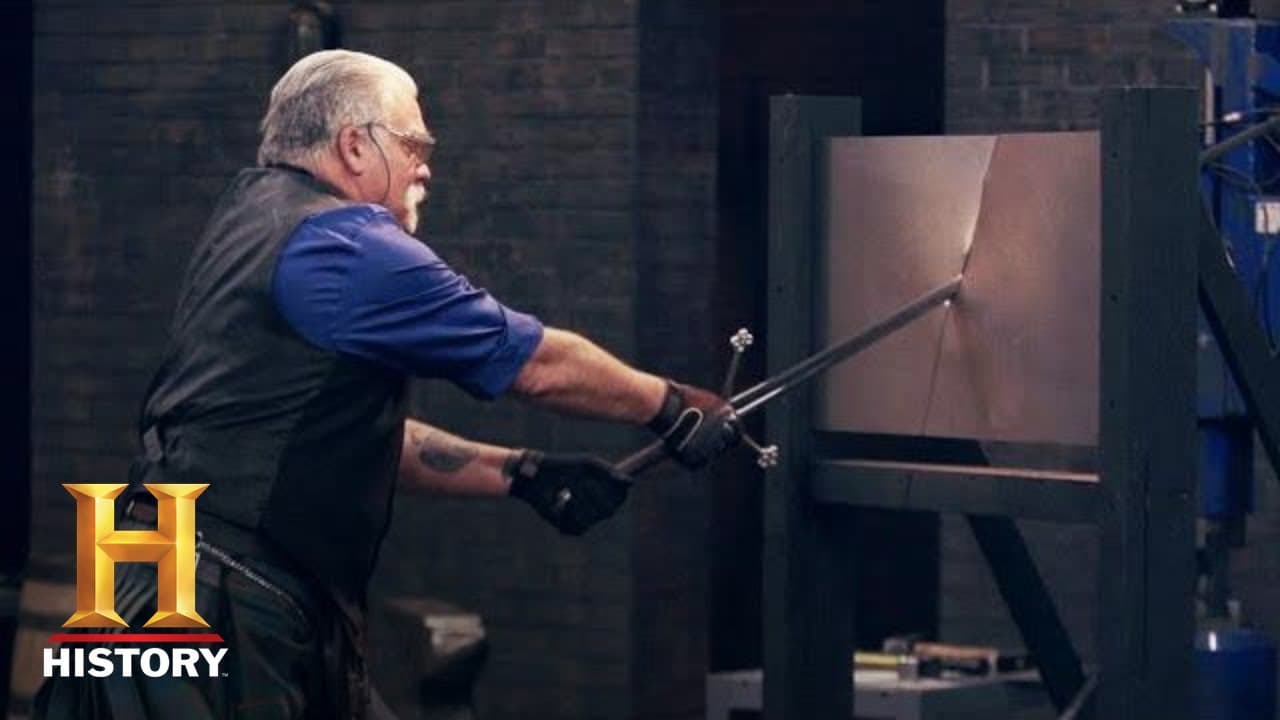
- Edge sharpness is tested by cutting sheet steel to evaluate a working edge.
- Judges perform a kill test to assess real killing potential and instrument reliability.
- One bladesmith is named champion and receives a ten thousand dollar prize.
- A second blade may fail safety tests or lack sufficient performance, leading to elimination.
- More videos from this channel:
- More from this channel: HISTORY
Install to Summarize YouTube Videos and Get Transcripts
Explore YouTube Video Summarizer or Get YouTube Transcript Extractor
Questions & Answers
Q: How does the forge determine the winner of the Scottish claymore challenge?
The winner is determined after both finished blades undergo a series of dynamic tests that simulate historical combat requirements. The process includes a kill test on animal carcasses to measure lethality and edge retention, followed by safety and sharpness checks. The champion is the smith whose blade passes all tests and performs as specified.
Q: What is the historical context of the claymore described in the video?
The claymore is described as a weapon used by Scottish mercenaries in battle from the 15th to the 17th century, typically 55 inches in length, requiring two hands and lacking a shield. It symbolizes fearlessness on the battlefield and is tied to legends like William Wallace and popular culture such as Braveheart.
Q: What happens if a blade fails the tests in the forge competition?
If a blade fails, as shown with Jonathan’s, safety concerns arise and testing on that blade ends. The judges determine the best course of action, which can involve stopping testing and eliminating the blade from competition. The designer may still discuss lessons learned and potential future improvements.
Q: What challenges do bladesmiths face during the five day build period?
Bladesmiths face time pressure to shape and heat treat the blade correctly while ensuring it aligns with the historic design. They must manage equipment limitations, avoid excessive delay on quenching, and adjust the blade geometry to meet the required dimensions, all while maintaining structural integrity for testing.
Q: What is the importance of the quench in the forging process?
The quench is crucial as it hardens the blade, and a successful quench is described as making the blade alive and capable of success in testing. A failed quench can compromise the blade’s performance, raising doubts about its edge and overall durability.
Q: How do judges assess edge quality during testing?
Judges assess edge quality by observing how the blade interacts with steel during a cut and by watching the blade’s performance on a pig carcass during the kill test. They check for sharpness, edge integrity, and whether the blade maintains functionality under simulated combat conditions.
Q: What emotions do bladesmiths display during the competition?
Bladesmiths show a range of emotions from nervous tension to cautious optimism. The process can be emotionally intense, with moments of doubt regarding whether the blade will perform as intended, followed by relief when the blade functions in tests and meets the judges’ criteria.
Q: What is the prize for the forged in fire champion in this episode?
The forged in fire champion receives a ten thousand dollar prize. This reward recognizes the smith’s performance across the five day build, heat treatment, and final testing, and represents the culmination of effort and skill demonstrated throughout the competition.
Summary & Key Takeaways
-
A blade smiths risks and rituals define the forging process, from planning to heat treatment, with each step tested for the weapon’s edge and durability.
-
The final tests include cutting through a steel sheet and a pig carcass to demonstrate edge sharpness and force delivery under historic design constraints.
-
The winner is declared after a series of dynamic tests that measure how each claymore performs under conditions inspired by historical warfare.
Read in Other Languages (beta)
Share This Summary 📚
Summarize YouTube Videos and Get Video Transcripts with 1-Click
Try YouTube Summary with ChatGPT & Claude or YouTube Transcript Generator
Explore More Summaries from HISTORY 📚


Summarize YouTube Videos and Get Video Transcripts with 1-Click
Try YouTube Summary with ChatGPT & Claude or YouTube Transcript Generator