How to explore 2022's top unsolved mysteries
TL;DR
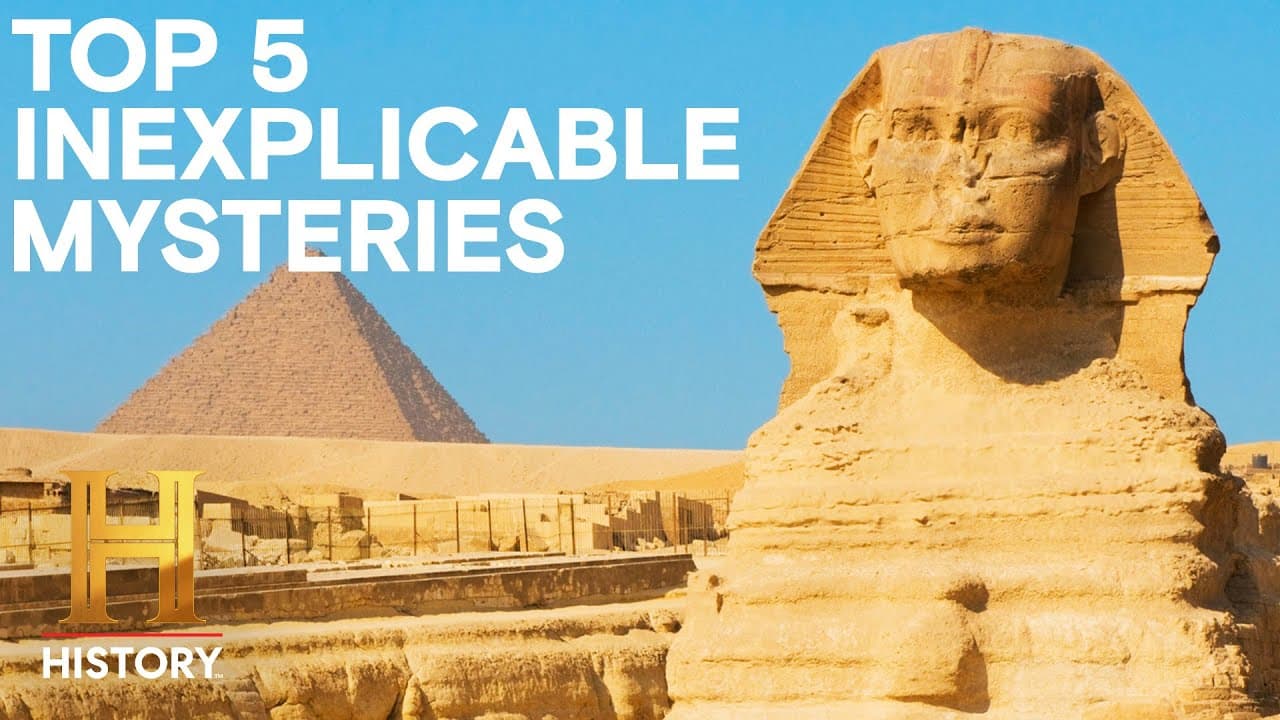
The video surveys five major mysteries from 2022 as featured on The UnXplained. It discusses Antarctica potential man-made pyramids and climate history, the age and purpose of the Sphinx, and the Newerk cursed objects collection with reports of adverse effects. It frames these topics as ongoing puzzles inviting further investigation.
Transcript
on the bottom of our planet lies The Frigid land of Antarctica the coldest and most inhospitable continent in the world stretching over 5 million square miles Antarctica is covered in ice sheets that reach more than a mile deep the average daily temperature is 49° f and wind speeds can reach over 100 mph today the only inhabitants of this Baron lan... Read More
Key Insights
- Antarctica is described as the cold, windy continent where a controversial pyramid-like formation from ice has been speculated by researchers.
- The Sphinx is presented as a symbol with possible older origins than mainstream dating suggests, supported by erosion analysis and the inventory stele inscription.
- The inventory stele is cited as evidence that the Sphinx could predate Khufu by showing repairs attributed to earlier rulers.
- Cited climate data from core samples suggests periods when Antarctica could have hosted vegetation similar to Northern Italy, implying different ancient conditions.
- The show frames Polynesian stories and other cultural myths as potentially hinting at older contact with Antarctica, though not definitively.
- The Newerk cursed object collection is described as a basement archive of items believed to be cursed and capable of causing harm.
- Visitors report physiological reactions near certain cursed objects, including heart palpitations, anxiety, fainting, and vomiting.
- The program positions these mysteries as complex, requiring open-minded investigation and a careful weighing of archaeological and anecdotal evidence.
- More videos from this channel:
- More from this channel: HISTORY
Install to Summarize YouTube Videos and Get Transcripts
Explore YouTube Video Summarizer or Get YouTube Transcript Extractor
Questions & Answers
Q: What is the central claim about Antarctica in the video?
The video presents a controversial idea that Antarctica may host a man-made pyramid or ancient structures beneath the ice. It cites satellite imagery and a 2017 drilling expedition that uncovered a diverse plant taxa in deep-sea cores, suggesting warmer historical climates. The claim challenges the belief that Antarctica has always been ice bound and uninhabitable, inviting scrutiny of ancient reach and settlement. The discussion remains exploratory and frames the hypothesis as one of several mysteries explored by The UnXplained.
Q: How does the program discuss the Great Sphinx’s age?
The program discusses the age of the Sphinx as a topic of debate among archaeologists. It notes that some researchers point to the inventory stele, which documents repairs attributed to earlier periods, implying an older origin for the Sphinx than conventional dating. Erosion features, particularly water weathering, are cited as evidence supporting a much older timeline, potentially dating back to the end of the last ice age. The overall stance is that multiple interpretations exist and further evidence is needed.
Q: What role does the inventory stele play in the Sphinx discussion?
The inventory stele is highlighted as a key inscription that records repairs to the Sphinx by a pharaoh linked to a period earlier than Khufu. This document is used to argue for an older Sphinx than commonly accepted, suggesting that the statue may have predated established dynastic timelines. The reference emphasises how inscriptions can influence interpretations of ancient monuments and fuel ongoing scholarly debate.
Q: What kind of objects are described in the Newerks collection?
The Newerks collection is described as a basement archive of cursed or special objects believed to be capable of harming people. The show presents items such as a cursed deer skull and haunted robes, which are said to induce physical or psychological effects in visitors. The narrative emphasizes the responsibility of caretakers to secure these artifacts and keep them away from harm.
Q: How do visitors describe their reactions to cursed objects?
Visitors describe a range of reactions when near cursed objects, including heart palpitations, anxiety, fainting, and nausea. The program notes that some experiences do not have obvious explanations, highlighting the sense of danger or unease associated with these objects. The accounts are presented to illustrate the powerful perceived influence of the artifacts on human physiology.
Q: What climate evidence is mentioned in relation to Antarctica?
The program references core sample analysis from Antarctica that revealed plant taxa analogous to rainforest flora in climates similar to Northern Italy. This suggests that parts of Antarctica may have supported vegetation in a warmer climate long ago, implying environmental conditions that differ from the modern, permanently icy continent. The point is used to question assumptions about historical habitation and climate.
Q: What is the show’s overall framing of these mysteries?
The show frames these topics as intriguing mysteries that are worth exploring rather than resolved facts. It presents a mix of scientific inquiry, archaeological debate, and experiential testimony to illustrate how complex and contested these questions remain. The aim is to encourage viewers to weigh evidence and consider alternative explanations rather than accepting a single narrative.
Q: What cultural stories are referenced in relation to Antarctica?
Polynesian stories are referenced as part of a broader discussion on ancient connection to Antarctica. The video mentions a French academic compiling these stories to describe a land described with ice and white rocks, potentially pointing to historical awareness or cultural memory of distant lands. The mention is used to illustrate how myths can intersect with questions of early exploration and settlement, though no definitive conclusions are drawn.
Summary & Key Takeaways
-
The video opens by noting Antarctica may contain undiscovered structures like pyramids and suggests climate conditions could have allowed ancient habitation, challenging the assumption that Antarctica was always uninhabitable. It frames the debate around dates and human activity with references to satellite imagery and core samples. The discussion then shifts to Egypt’s Sphinx and its disputed antiquity, citing inscriptions and erosion patterns. Further segments focus on modern cursed artifacts housed by the Newerks and the physical and psychological effects reported by visitors.
-
The exploration of the Sphinx includes dating debates, weathering analysis, and the inventory stele as evidence that may imply an older origin than commonly accepted. It highlights how interpretations vary among archaeologists and how climate history intersects with monument analysis. The final portion examines cursed items, their perceived power, and the sense of responsibility in handling them amidst reports of illness and accidents.
-
Throughout the video, The UnXplained position is to present controversial theories and testimonies from researchers, experiencers, and collectors. It emphasizes ongoing research, alternative hypotheses, and the cultural fascination with mysteries that resist simple explanations, inviting viewers to weigh evidence rather than accepting a single narrative.
Read in Other Languages (beta)
Share This Summary 📚
Summarize YouTube Videos and Get Video Transcripts with 1-Click
Try YouTube Summary with ChatGPT & Claude or YouTube Transcript Generator
Explore More Summaries from HISTORY 📚


Summarize YouTube Videos and Get Video Transcripts with 1-Click
Try YouTube Summary with ChatGPT & Claude or YouTube Transcript Generator