How Does Implicit Bias Affect Addiction Treatment Outcomes?
TL;DR
Implicit bias significantly impacts addiction treatment outcomes by influencing healthcare providers' clinical decisions and interactions with patients. Providers may unconsciously hold stereotypes that affect their treatment plans, leading to disparities in care for patients based on race and other characteristics. Increasing awareness and reflection on these biases can help healthcare professionals provide more equitable treatment.
Transcript
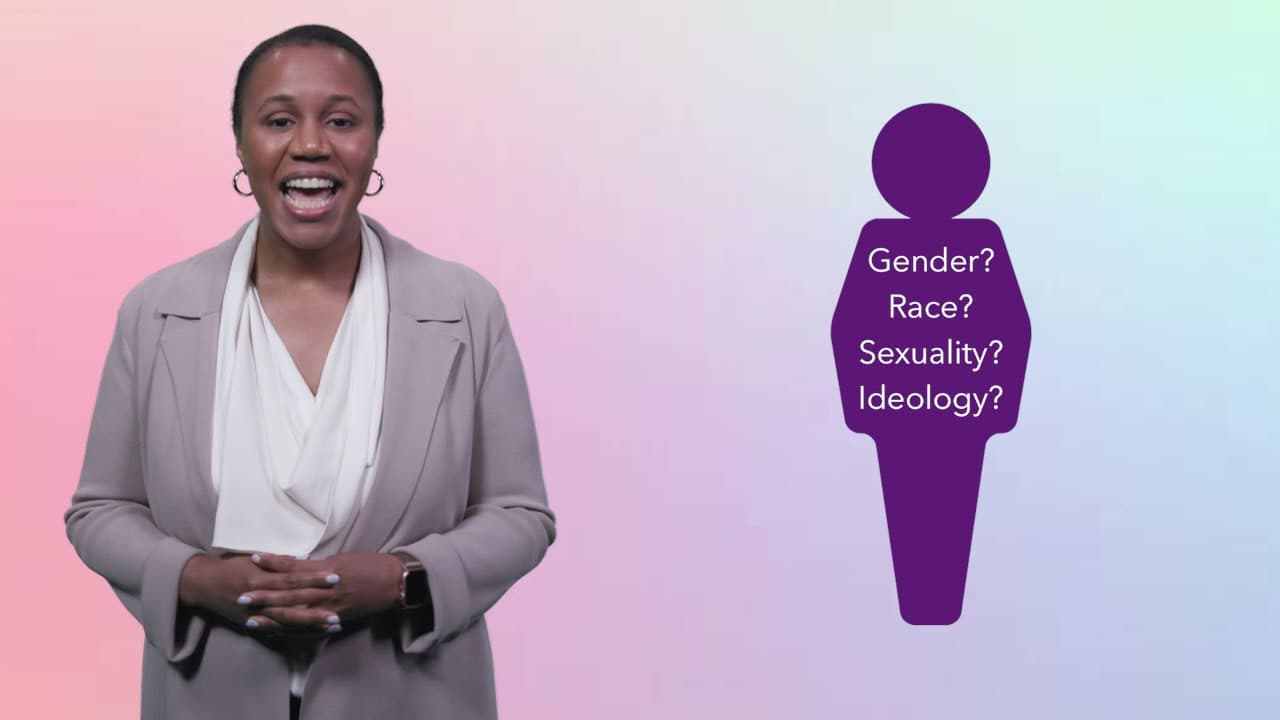
hello i am dr ariel sloan an addiction psychiatry fellow at the yale school of medicine in this lesson you will learn about implicit bias how it impacts your treatment of patients and ways to counteract bias for more equitable outcomes let's start with the case imagine you are meeting a patient for a follow-up appointment in your clinic patient x i... Read More
Key Insights
- 🥺 Implicit bias affects healthcare providers' interactions and treatment decisions, leading to inequities.
- 👨🎨 Stereotypes about pain disparities based on race contribute to inadequate pain management for black patients.
- 🆘 Increased awareness and reflection can help healthcare providers counteract their own implicit biases.
- ❓ Positive emotions during clinical encounters may reduce the activation of stereotypes.
Install to Summarize YouTube Videos and Get Transcripts
Explore YouTube Video Summarizer or Get YouTube Transcript Extractor
Questions & Answers
Q: How does implicit bias affect healthcare providers' treatment decisions?
Implicit bias leads to the association of stereotypes with patients, influencing how healthcare providers interpret patient behavior and make treatment recommendations. This can result in disparities in care.
Q: What are some false beliefs about biological differences between races?
Some false beliefs include the idea that black people feel less pain, age more slowly, have quicker blood clotting, and less sensitivity to pain. These beliefs contribute to discrimination and inadequate pain management.
Q: How can healthcare providers address their own implicit biases?
Providers can reflect on past clinical encounters with patients with substance use disorders, engage in self-guided online protocols like the Implicit Association Test, and proactively consider situations from the patient's perspective to inhibit the activation of stereotypes.
Q: How can positive emotions during clinical encounters affect bias?
Research suggests that healthcare providers with higher levels of positive emotions during encounters are less likely to stereotype patients. Prioritizing self-care and reflection contributes to improved empathy and decreased likelihood of discriminatory behavior.
Summary & Key Takeaways
-
Implicit bias influences clinical interactions and treatment plans, impacting patient outcomes.
-
Healthcare providers often hold negative stereotypes about patients based on race, sex, and other characteristics.
-
Studies show disparities in pain medication administration, with black patients receiving lower doses compared to white patients.
Read in Other Languages (beta)
Share This Summary 📚
Summarize YouTube Videos and Get Video Transcripts with 1-Click
Try YouTube Summary with ChatGPT & Claude or YouTube Transcript Generator
Explore More Summaries from YaleCourses 📚






Summarize YouTube Videos and Get Video Transcripts with 1-Click
Try YouTube Summary with ChatGPT & Claude or YouTube Transcript Generator