Aung San Suu Kyi: Nobel Peace Prize Lecture
TL;DR
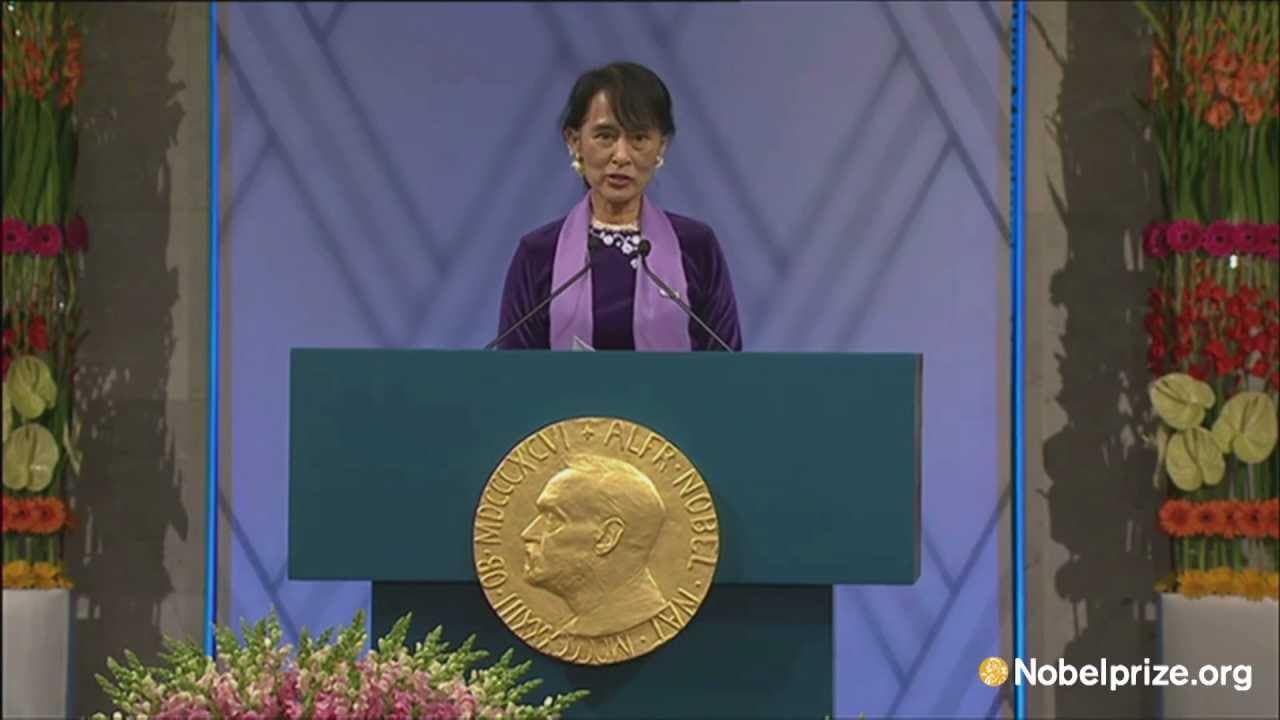
The Nobel Peace Prize restored Aung San Suu Kyi's sense of belonging to the wider human community after the isolation of house arrest. More importantly, it focused international attention on the struggle for democracy and human rights in Burma, reassuring those involved that they would not be forgotten.
Transcript
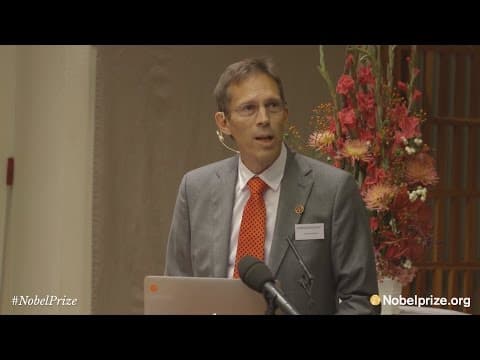
your Maj your Royal Highness excellencies ladies and gentlemen now I have the pleasure to invite the Nobel Peace Prize Laurette of 1991 to come forward to give us her lecture we do not have a gold medal because it was received by your son Alex Su in 1991 but I'm sure that your words to us today will be written in Gold please [Applause] your majesti... Read More
Key Insights
- The Nobel Peace Prize restored Aung San Suu Kyi's sense of reality after house arrest had made her feel separated from ordinary human life. Through the award and the reactions it generated, she gradually felt drawn back into the wider human community.
- House arrest created several disconnected worlds in Aung San Suu Kyi's experience: the confined world of her house, the communal world of other people who were not free, and the outside world of free people. Each seemed to follow a separate course.
- The prize's most important effect was its ability to focus worldwide attention on Burma's struggle for democracy and human rights. For Aung San Suu Kyi, this attention meant that the people engaged in that struggle would not simply be forgotten.
- Aung San Suu Kyi learned that she had received the Nobel Peace Prize through a radio broadcast one evening. The announcement was not completely unexpected because several broadcasts during the preceding week had identified her as one of the leading candidates.
- Her immediate reaction to receiving the award was restrained rather than celebratory. While preparing the lecture, she struggled to remember it precisely, but believed she had simply acknowledged that the decision had finally been made to give the prize to her.
- The possibility of winning a Nobel Prize had once appeared amusing and improbable to Aung San Suu Kyi. She had joked with her young son Alexander about winning the literature prize, then later laughed when Michael Aris told her about her Peace Prize nomination.
- The award's emotional significance developed gradually rather than instantly. As reports of international reactions reached Aung San Suu Kyi over the radio during the following days and months, she increasingly understood what the recognition meant for both her personally and Burma's political struggle.
- The Nobel lecture connected personal recognition with collective purpose. Aung San Suu Kyi treated the prize not merely as an individual honor, but as a means of restoring human connection and making the struggle for democracy and human rights internationally visible.
Install to Summarize YouTube Videos and Get Transcripts
Explore YouTube Video Summarizer or Get YouTube Transcript Extractor
Questions & Answers
Q: What did the Nobel Peace Prize mean to Aung San Suu Kyi?
The Nobel Peace Prize meant reconnection, recognition, and renewed visibility. During house arrest, Aung San Suu Kyi had felt removed from the real world and separated from other human beings. The award gradually restored her sense of reality by drawing her into the wider human community. Most importantly, it directed international attention toward Burma's struggle for democracy and human rights.
Q: How did the Nobel Peace Prize affect Burma's political struggle?
The Nobel Peace Prize drew worldwide attention to the struggle for democracy and human rights in Burma. Aung San Suu Kyi regarded this public attention as more important than the personal honor attached to the award. It reassured her that those pursuing the struggle would remain visible to the wider human community and that their situation would not be forgotten.
Q: How did Aung San Suu Kyi learn that she had won the prize?
Aung San Suu Kyi heard the announcement on the radio one evening while she was under house arrest. The news was not entirely surprising because radio broadcasts during the previous week had mentioned her as one of the leading candidates. Even so, the result did not feel fully real to her because isolation had weakened her sense of connection with ordinary life.
Q: Why did the Nobel Peace Prize initially seem unreal to Aung San Suu Kyi?
The prize seemed unreal because Aung San Suu Kyi did not feel fully part of the real world during house arrest. Her life appeared divided from the lives of prisoners living together and from the lives of free people outside. The announcement therefore reached someone who felt profoundly isolated, and its personal significance emerged only gradually through later reports of international reactions.
Q: How did house arrest shape Aung San Suu Kyi's view of the world?
House arrest made Aung San Suu Kyi experience human life as several separate worlds. Her house formed one world, other people deprived of freedom but living together in prison formed another, and free people occupied a third. She described these worlds as separate planets following their own courses in an indifferent universe, capturing the depth of her isolation.
Q: What was Aung San Suu Kyi's immediate reaction to winning?
Aung San Suu Kyi could not remember her exact immediate reaction when preparing the lecture. She believed it was a restrained acknowledgment that the Nobel committee had decided to give the prize to her. The response lacked dramatic celebration because the news did not yet feel completely real. Her understanding of the award developed over the following days and months.
Q: Why had Aung San Suu Kyi laughed about Nobel Prizes before winning?
Aung San Suu Kyi had previously joked with her young son Alexander that she might someday appear on the radio program Desert Island Discs because she had won the Nobel Prize for literature. They both laughed because it seemed pleasant but improbable. She laughed again when her husband, Michael Aris, later told her that John Finnis had nominated her for the Nobel Peace Prize.
Q: How did international reactions change the meaning of the award?
International reactions transformed the award from an unreal radio announcement into evidence that Aung San Suu Kyi and Burma's struggle remained connected to the world. As news of those reactions arrived over the airwaves during the following days and months, she gradually recognized the prize's significance. It restored her sense of human belonging and showed that the struggle would receive sustained attention.
Summary
In this video, the Nobel Peace Prize laureate of 1991 reflects on her experience of receiving the prestigious award and its significance in bringing attention to the struggle for democracy and human rights in Burma. She also talks about how the Nobel Prize made her feel connected to the wider human community.
Questions & Answers
Q: Can you recall your immediate reaction when you were awarded the Nobel Peace Prize?
When I heard the news on the radio, I did not feel real because I had been living in isolation during my house arrest. It was as if I was no longer part of the real world. However, over time, the significance of the Nobel Prize became clear to me. It made me feel real again and brought me back into the wider human community.
Q: How did receiving the Nobel Peace Prize draw attention to the struggle for democracy and human rights in Burma?
The Nobel Prize brought international recognition to the fight for democracy and human rights in Burma. It drew the attention of the world to the issues we were facing, ensuring that we would not be forgotten. This global spotlight helped to raise awareness and support for our cause.
Q: What does the Nobel Prize mean to you personally?
The Nobel Peace Prize holds great significance to me. It symbolizes recognition for my efforts and achievements in advocating for democracy and human rights. It serves as a reminder of the importance of our ongoing struggle and the need for international solidarity in promoting peace and justice.
Q: Can you explain the impact the Nobel Prize had on your life?
The Nobel Prize had a profound impact on my life. It brought me back into the world of other human beings, outside the isolated area where I lived. It restored a sense of reality to me and made me feel connected to the wider human community. Moreover, it provided a platform to amplify the voice of the Burmese people and shed light on our fight for democracy.
Q: How did you feel when your late husband told you about your nomination for the Nobel Peace Prize?
At first, I laughed because the idea of being nominated for such a prestigious award seemed unlikely. The Nobel Peace Prize was a pleasant prospect but not something I considered achievable. Nevertheless, the nomination served as a reminder of the importance of our cause and the impact we were making in the fight for democracy and human rights.
Q: How did receiving the Nobel Prize affect your perception of yourself?
Receiving the Nobel Prize helped me regain a sense of purpose and self-identity. It reminded me that I was not alone in my struggle and that our fight for democracy mattered on a global scale. It gave me the confidence to continue pushing for change and encouraged me to be a voice for the voiceless.
Q: Did winning the Nobel Peace Prize change the way the world viewed the struggle for democracy in Burma?
Winning the Nobel Prize had a significant impact on the world's perception of the struggle for democracy and human rights in Burma. It brought our cause to the forefront of international attention and garnered support and solidarity from people around the globe. The Nobel Prize served as a catalyst for change and inspired others to join our fight.
Q: How did the Nobel Peace Prize contribute to the promotion of peace and human rights?
The Nobel Peace Prize played a crucial role in promoting peace and human rights by shining a spotlight on the struggles faced by the Burmese people. It drew attention to the violations of human rights and the need for democracy in our country. The recognition and support garnered from the Nobel Prize strengthened our fight and encouraged others to stand up for justice and equality.
Q: Did winning the Nobel Peace Prize empower you in your activism?
Winning the Nobel Peace Prize provided me with a sense of empowerment in my activism. It validated my efforts and achievements, giving me a stronger platform to advocate for democracy and human rights. The recognition and support that came with the Nobel Prize inspired me to continue fighting for a better future for my people.
Q: How did the Nobel Prize impact your perception of the struggle for democracy in Burma?
The Nobel Prize amplified the significance of our struggle for democracy in Burma. It made us realize that our fight was not in vain and that we were being heard and supported by the international community. It gave us hope and resilience to keep pushing for change, knowing that we were not alone in our pursuit of justice and freedom.
Takeaways
Receiving the Nobel Peace Prize had a profound impact on the Nobel laureate, as it made her feel connected to the wider human community and restored a sense of reality to her life. It also drew international attention to the struggle for democracy and human rights in Burma, providing a platform to raise awareness and garner support. The Nobel Prize signified recognition for her efforts and served as a reminder of the importance of promoting peace and justice globally.
Summary & Key Takeaways
-
Aung San Suu Kyi recalls joking with her son Alexander about possibly winning a Nobel Prize for literature. Years later, during her first term of house arrest, her husband Michael Aris told her that John Finnis had nominated her for the Nobel Peace Prize, another possibility she initially considered improbable.
-
She heard the announcement of her Nobel Peace Prize on the radio one evening. Although broadcasts had already named her among the leading candidates, the decision did not feel entirely real. Her initial response was restrained, reflecting the deep disconnection from ordinary life that she experienced during house arrest.
-
House arrest divided existence into separate worlds: her house, the imprisoned community, and the free world. News of international reactions to the prize gradually ended that isolation. The award reconnected her with humanity while directing global attention toward Burma's struggle for democracy and human rights, ensuring it would not be forgotten.
Read in Other Languages (beta)
Share This Summary 📚
Summarize YouTube Videos and Get Video Transcripts with 1-Click
Try YouTube Summary with ChatGPT & Claude or YouTube Transcript Generator
Explore More Summaries from Nobel Prize 📚


Summarize YouTube Videos and Get Video Transcripts with 1-Click
Try YouTube Summary with ChatGPT & Claude or YouTube Transcript Generator