How to Run Faceless YouTube Channels Without Copyright
TL;DR
Faceless channels monetize by transforming existing footage with commentary and varied sources while avoiding copyright claims through careful sourcing and strong value addition. Key practices include focusing on fair use pillars, using diverse content sources, and ensuring your edits provide educational or unique perspectives that outweigh the original clip’s value. This approach reduces Content ID risk and preserves ad revenue.
Transcript
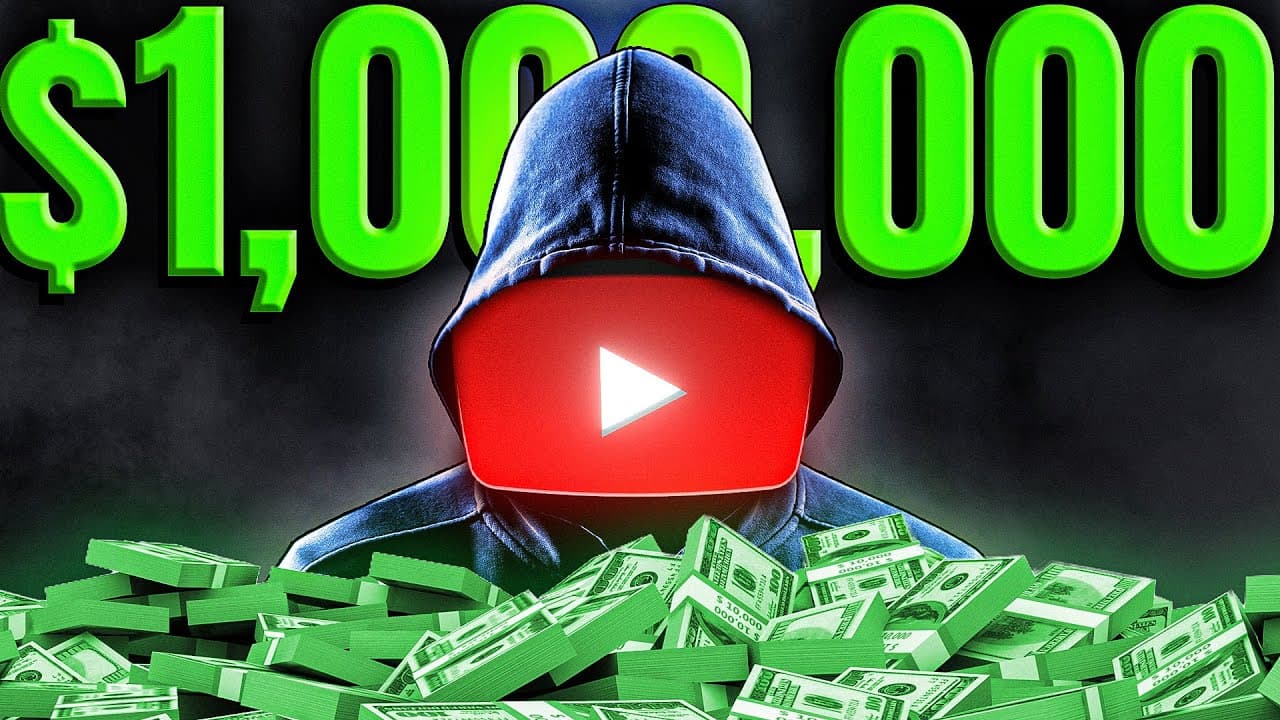
this faceless YouTube channel makes hundreds of thousands of dollars from tens of millions of views every single month but none of the footage in these videos belongs to the Creator so how is it possible for this channel to not only exist but to profit from other people's content why hasn't this channel got demonetized or been hit by copyright stri... Read More
Key Insights
- Fair use is a legal concept that requires added value and transformation, not just random editing, to be defensible in court and on YouTube.
- The four pillars of fair use are the purpose and character of use, the nature of the copyrighted work, the amount used, and the market impact on the copyright holder.
- High risk sources include official sports broadcasts and licensed content, while low risk sources include public domain footage and user generated clips.
- Transformative content should provide substantial value such as commentary, educational content, or a new perspective that surpasses the original clip.
- Diversifying sources reduces the likelihood of Content ID claims and strengthens a fair use defense by showing multiple rights holders are contributing content.
- Heavily relying on a single clip or source increases the chance of a strike; mixed sourcing supports a stronger case for transformation.
- Clips should be used for significance, not just length; taking the heart of a clip can lead to stronger claims even if the clip is short.
- Avoid compilations that rely on repeatedly aggregating similar clips, as they can be more susceptible to copyright enforcement.
Install to Summarize YouTube Videos and Get Transcripts
Explore YouTube Video Summarizer or Get YouTube Transcript Extractor
Questions & Answers
Q: A real search query about fair use in faceless channels like 'How does fair use apply to faceless YouTube videos?'
Fair use is a legal doctrine that allows the use of other people's copyrighted content within your own video, but it can be a gray area. For faceless channels, the key is to add substantial value through commentary, educational insights, or a unique perspective that transforms the original content. The four pillars guide this: purpose and character, nature, amount used, and market impact. You must show transformation beyond mere replication, and you should diversify sources to reduce risk from any single rights holder.
Q: What counts as transformative content in these channels?
Transformative content means you add value that changes the original material, such as analysis, commentary, new context, or parody. Simply posting a clip with a little commentary is not enough. The value must come from your input, not just a few lines of narration. This approach helps justify fair use and improves the chance of avoiding demonetization or strikes.
Q: Which sources are considered high risk for copyright claims?
High risk sources include official sports broadcasts, licensed content from licensing agencies, and films or ads with strong protection. These sources have robust legal teams and sophisticated content ID systems, making claims more likely if used without significant transformation. When using high risk sources, blend with lower risk material and ensure your own value is clear.
Q: Which sources are safer to use in monetized videos?
Safer sources include public domain footage, user generated content, and informational or factual material. These sources are less likely to trigger aggressive enforcement when used responsibly. You should still aim to diversify and ensure your edits provide a distinct perspective or educational context to strengthen the fair use argument.
Q: How should we handle the amount of a clip used to avoid claims?
The focus should be on the significance of the clip within the video rather than the exact length. Using the heart of a clip elevates risk even if the clip is short, while using smaller, less central portions with strong transformative context lowers risk. The goal is to provide more value than the clip itself.
Q: What is the role of market impact in fair use for YouTube videos?
Market impact looks at whether your use substitutes the original content and harms the rights holder’s potential earnings. For faceless channels, avoid creating videos that replicate or compete directly with the source material in a way that could reduce demand for the original. Instead, offer added value through commentary, education, or new viewpoints.
Q: Why is it important to diversify clip sources?
Diversifying sources reduces exposure to any single rights holder and creates a stronger case for transformation because it demonstrates that the video relies on multiple inputs rather than copying one source. It also lowers the chance of a coordinated or multi-source takedown and makes it harder for content ID to flag the video.
Q: What practical steps help prevent demonetization on faceless channels?
Practical steps include adding substantial educational or analytical content, using a mix of safe sources, transforming the material with unique edits, and avoiding overuse of any single clip. Pay attention to the four fair use pillars, and consider consulting legal resources or experts for complex claims to ensure your approach remains within guidelines.
Summary & Key Takeaways
-
A faceless YouTube channel can earn substantial revenue by combining transformation with careful sourcing and value addition, while navigating fair use rules. The approach hinges on adding educational or unique insights and not duplicating the original content. Diversifying sources lowers the risk of copyright claims and demonetization.
-
Transformative content requires significant value beyond the original clip, such as commentary, context, or parody, to qualify under fair use. Relying on a single source increases danger of claims, whereas mixing sources like public domain, user generated content, and informational clips provides protection and flexibility.
-
Understanding source risk is crucial; high risk sources include official sports broadcasts and licensed content, while low risk sources include public domain, user generated footage, and general informational material. This balance helps maintain monetization while reducing strikes.
Read in Other Languages (beta)
Share This Summary 📚
Summarize YouTube Videos and Get Video Transcripts with 1-Click
Try YouTube Summary with ChatGPT & Claude or YouTube Transcript Generator
Explore More Summaries from vidIQ 📚
Summarize YouTube Videos and Get Video Transcripts with 1-Click
Try YouTube Summary with ChatGPT & Claude or YouTube Transcript Generator