The Spanish Language and What Makes it The Coolest
TL;DR
Spanish is a globally significant language with diverse varieties and rich history.
Transcript
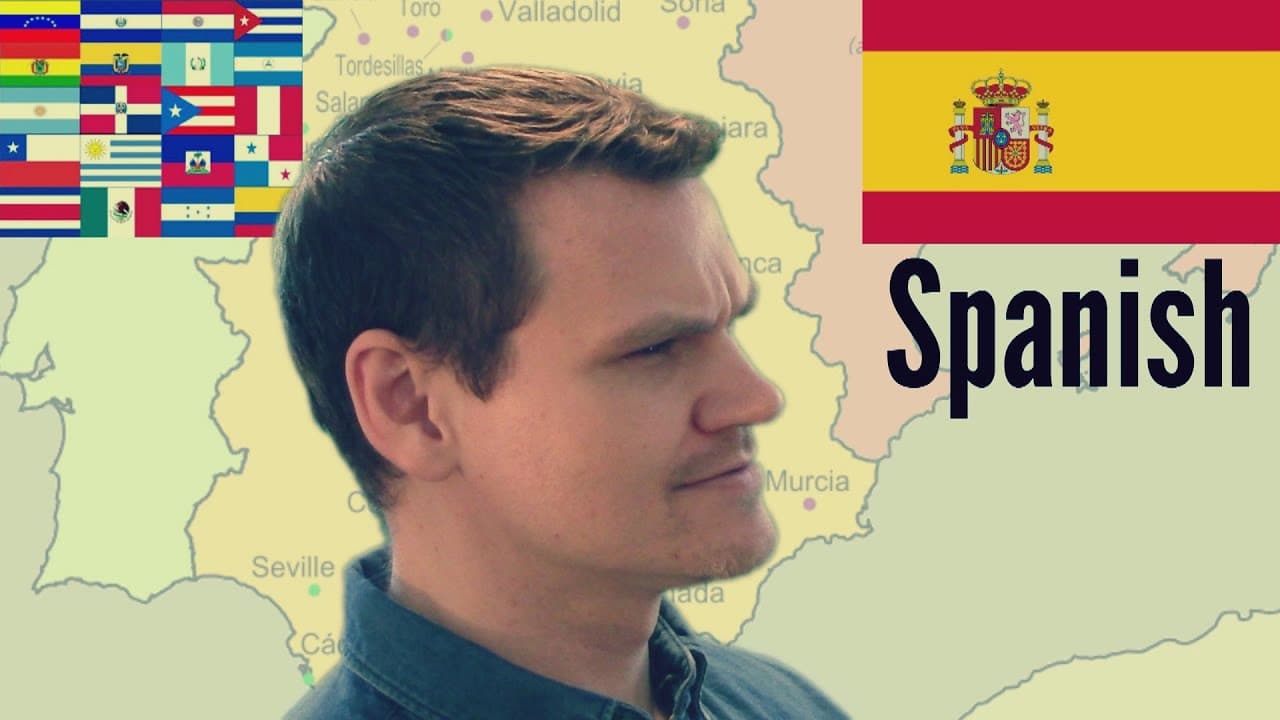
Hello everyone, and welcome to the Langfocus channel. My name is Paul. Today I am going to talk about the Spanish language. As you may know, Spain has more than one language, so when I say "Spanish," I'm referring specifically to Castilian Spanish, which is spoken as a native language by seventy-four percent of the people of Spain and ninety-nine ... Read More
Key Insights
- Spanish, or Castilian, is spoken by 470 million native speakers and 90 million second-language speakers worldwide, making it the second most spoken native language globally.
- Spanish is an official language in 21 countries and one of the six official languages of the United Nations, highlighting its global significance.
- The language evolved from Vulgar Latin, with influences from Arabic due to historical events like the Reconquista and the spread of the Spanish Empire.
- Spanish vocabulary includes many Arabic loanwords, such as 'hasta' and 'aceite,' reflecting historical interactions between cultures.
- Different varieties of Spanish exist, notably European and Latin American Spanish, with variations in pronunciation and vocabulary influenced by local languages.
- Spanish is relatively easy for English speakers to learn due to shared vocabulary and similar syntax, classified as a Category I language by the American Foreign Service Institute.
- The choice between learning 'Español' or 'Castellano' depends on regional preferences and personal interest, as both terms are used to refer to the language.
- Spanish has seen significant growth online, with an 800% increase in usage, making it the third most widely used language on the internet.
Install to Summarize YouTube Videos and Get Transcripts
Explore YouTube Video Summarizer or Get YouTube Transcript Extractor
Questions & Answers
Q: Why is Spanish considered a global language?
Spanish is considered a global language due to its vast number of native speakers, totaling 470 million, and its status as an official language in 21 countries. Additionally, it is one of the six official languages of the United Nations and is widely spoken across multiple continents, including Europe, Latin America, and parts of Africa.
Q: How did Arabic influence the Spanish language?
Arabic influenced the Spanish language significantly during the period of Al-Andalus, when Muslim-controlled territories existed in the Iberian Peninsula. This interaction led to the incorporation of numerous Arabic loanwords into Spanish, with up to 4,000 words, or about 8% of the modern vocabulary, originating from Arabic. Examples include 'hasta,' 'ojalá,' and 'aceite.'
Q: What are the main varieties of Spanish, and how do they differ?
The main varieties of Spanish are European and Latin American Spanish. While the standard written form is consistent, spoken varieties differ in pronunciation and vocabulary, often influenced by indigenous languages in Latin America. Differences are especially notable in everyday vocabulary related to clothing, food, and other common items.
Q: Why is Spanish considered relatively easy for English speakers to learn?
Spanish is considered relatively easy for English speakers to learn because it shares a significant amount of vocabulary with English, due to both languages' Latin roots. Additionally, the syntax of Spanish sentences is often similar to English, making it easier for learners to understand and translate phrases. The American Foreign Service Institute classifies it as a Category I language.
Q: What historical events contributed to the spread of the Spanish language?
The spread of the Spanish language was significantly influenced by the Reconquista, which led to the expansion of Castilian Spanish in the Iberian Peninsula. Additionally, the Spanish Empire's exploration and colonization efforts in the Americas, the Philippines, and parts of Africa further disseminated the language, establishing it as a major global language.
Q: How has Spanish usage grown on the internet?
Spanish usage on the internet has grown by 800% in recent years, making it the third most widely used language online. This expansion reflects the language's global reach and the increasing number of Spanish speakers engaging with digital content, highlighting its importance in the digital age.
Q: What is the debate between using 'Español' and 'Castellano'?
The debate between using 'Español' and 'Castellano' stems from regional preferences and historical context. In some Spanish-speaking regions, 'Castellano' is preferred to emphasize the language's origins in Castile, while 'Español' is used more broadly. This distinction can vary within Spain and across different Spanish-speaking countries.
Q: What role did King Alfonso play in the development of Castilian Spanish?
King Alfonso played a crucial role in the development of Castilian Spanish by standardizing the written language for official use in the 13th century. He based this standardization on the dialect spoken in Toledo, which helped establish Castilian as a distinct language. This process continued for several centuries, solidifying its status as the primary language of Spain.
Summary & Key Takeaways
-
Spanish, or Castilian, is a major global language with 470 million native speakers and is an official language in 21 countries. It evolved from Vulgar Latin and has absorbed influences from Arabic, especially during historical events like the Reconquista.
-
The language features various dialects, including European and Latin American Spanish, each with unique pronunciation and vocabulary influenced by local languages. Despite these differences, the standard written form remains consistent across regions.
-
Spanish is considered relatively easy for English speakers to learn due to shared vocabulary and similar syntax. It is a Category I language, and its online presence has grown significantly, reflecting its importance in the digital age.
Read in Other Languages (beta)
Share This Summary 📚
Summarize YouTube Videos and Get Video Transcripts with 1-Click
Try YouTube Summary with ChatGPT & Claude or YouTube Transcript Generator
Explore More Summaries from Langfocus 📚



Summarize YouTube Videos and Get Video Transcripts with 1-Click
Try YouTube Summary with ChatGPT & Claude or YouTube Transcript Generator