How does hyperreality blur reality and representation?
TL;DR
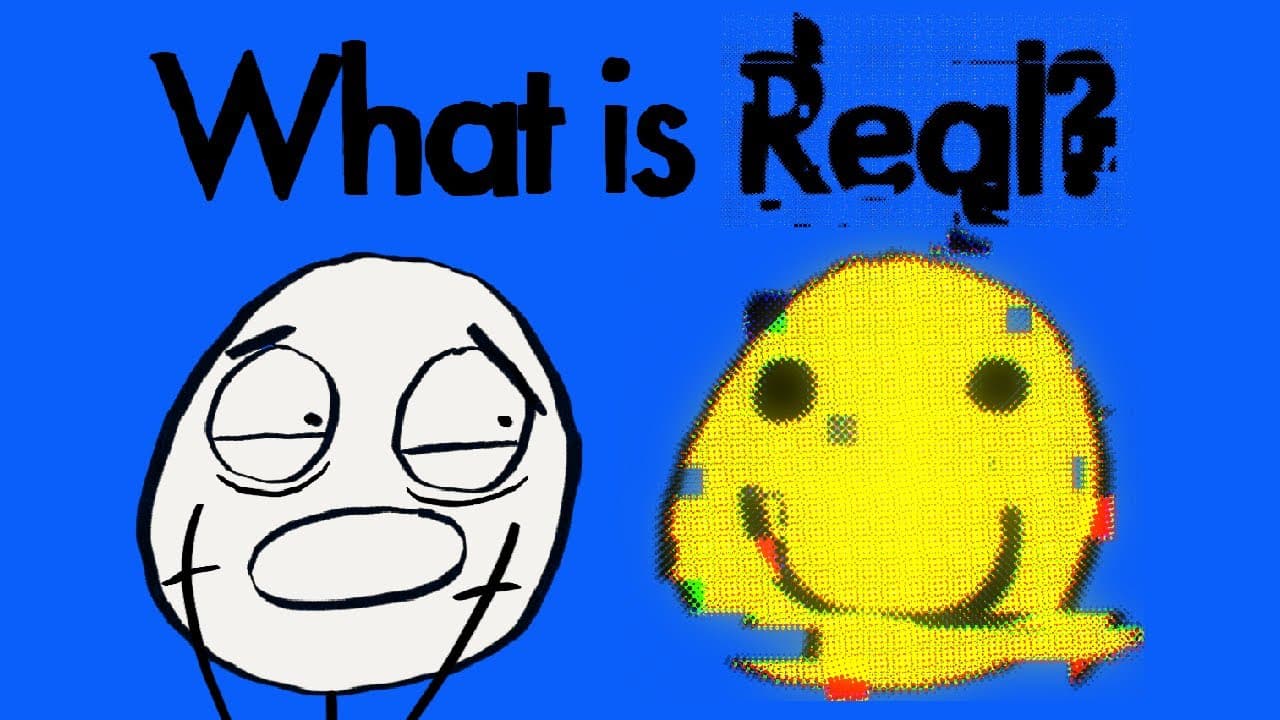
Hyperreality is a state where signs, images, and simulations replace and overwhelm the real, making it hard to separate truth from depiction. The video argues this shift, driven by media, technology, and consumerism, creates disorientation and nihilism while reshaping identity through continuous simulation and borrowed realities.
Transcript
isn't the internet a pretty strange place things can feel even more real here than they are out in well reality what do you call that strange feeling when Tik Tok Trends and Twitter threads feel more representative of our reality than our day-to-day life thankfully we have Jean bodard a French philosopher and cultural theorist who introduced the co... Read More
Key Insights
- Hyperreality is a postmodern condition where representation becomes more real than reality itself.
- The simulation of simulacra describes how reality is replaced by copies that lack original referents.
- The spectacle is a shared social experience where images mediate relations between people.
- Nihilism arises as the line between truth and fiction blurs in everyday life.
- The referential link between signifier and signified weakens, eroding meaning.
- Media, technology, and consumerism mix to create an indistinguishable blur between real and virtual.
- Identity formation increasingly relies on simulations rather than authentic selves.
- The concept anticipates future relevance with artificial intelligence and virtual reality.
- More videos from this channel:
- More from this channel: Sisyphus 55
Install to Summarize YouTube Videos and Get Transcripts
Explore YouTube Video Summarizer or Get YouTube Transcript Extractor
Questions & Answers
Q: A real search query question about the video like 'What is hyperreality and why does it matter?'
Hyperreality is the state in which signs, symbols, and images mediate our experience of the world to such an extent that they overshadow the original reality. In this mode, copies and simulations become more influential and convincing than the things they imitate, leading to a shared sense of disorientation about what is real and what is simulated.
Q: Question 2
The theory relies on Baudrillard and Debord to show how modern media creates a spectacle where social relations are mediated by images. This leads to a loss of trust in authentic experiences and a perception that reality is just another layer of representation, always open to manipulation by trends and technologies.
Q: Question 3
Hyperreality is not merely distortion but a new mode of existence where reality itself is replaced by the spectacle. This means everyday life becomes a field of simulations, with personal identity often curated as a series of performances designed for approval by others within the simulated environment.
Q: Question 4
The loss of meaning stems from a weakened connection between signifier and signified. When representations proliferate without a stable origin, people struggle to anchor beliefs or values to concrete referents, resulting in widespread interpretive uncertainty and a sense of existential drift.
Q: Question 5
The video suggests that digital media and consumer culture mix to blur the boundaries between real and virtual experiences. As simulations grow more elaborate and pervasive, individuals may rely on them for guidance, leading to a culture that values replication and spectacle over original authenticity.
Q: Question 6
A key implication is that identity formation shifts toward simulations of the self, where approval from other simulations becomes a central metric. This can undermine genuine self discovery and replace it with dynamic performances guided by feedback loops in online platforms.
Q: Question 7
The discussion raises questions about future technologies such as artificial intelligence and virtual reality. As these tools become more capable, the line between real and simulated could become even harder to distinguish, intensifying the need for critical literacy about media and representation.
Q: Question 8
The overall message is that hyperreality challenges traditional notions of truth and authenticity. Recognizing the condition helps people navigate a media saturated world by questioning mediating representations and seeking grounding in autonomous, non mediated experiences where possible.
Summary & Key Takeaways
-
Hyperreality describes a postmodern condition where representation replaces reality, creating a confusing mix of signs and images. The concept highlights how media and technology can erode clear distinctions between what is real and what is simulated. This leads to a persistent sense of disorientation and loss of referential meaning.
-
The speaker traces hyperreality to Baudrillard and Debord, explaining that the spectacle mediates social relations and that truth gives way to fiction in everyday life. The result is a new mode of existence where simulations feel more real than origins.
-
Identity formation in the online age is analyzed as a process where people seek simulations of themselves approved by other simulations, rather than authentic selves, signaling a shift in how meaning and selfhood are constructed in a mediated world.
Read in Other Languages (beta)
Share This Summary 📚
Summarize YouTube Videos and Get Video Transcripts with 1-Click
Try YouTube Summary with ChatGPT & Claude or YouTube Transcript Generator
Explore More Summaries from Sisyphus 55 📚

Summarize YouTube Videos and Get Video Transcripts with 1-Click
Try YouTube Summary with ChatGPT & Claude or YouTube Transcript Generator