Why Does Creative Expression Give Life Meaning?
TL;DR
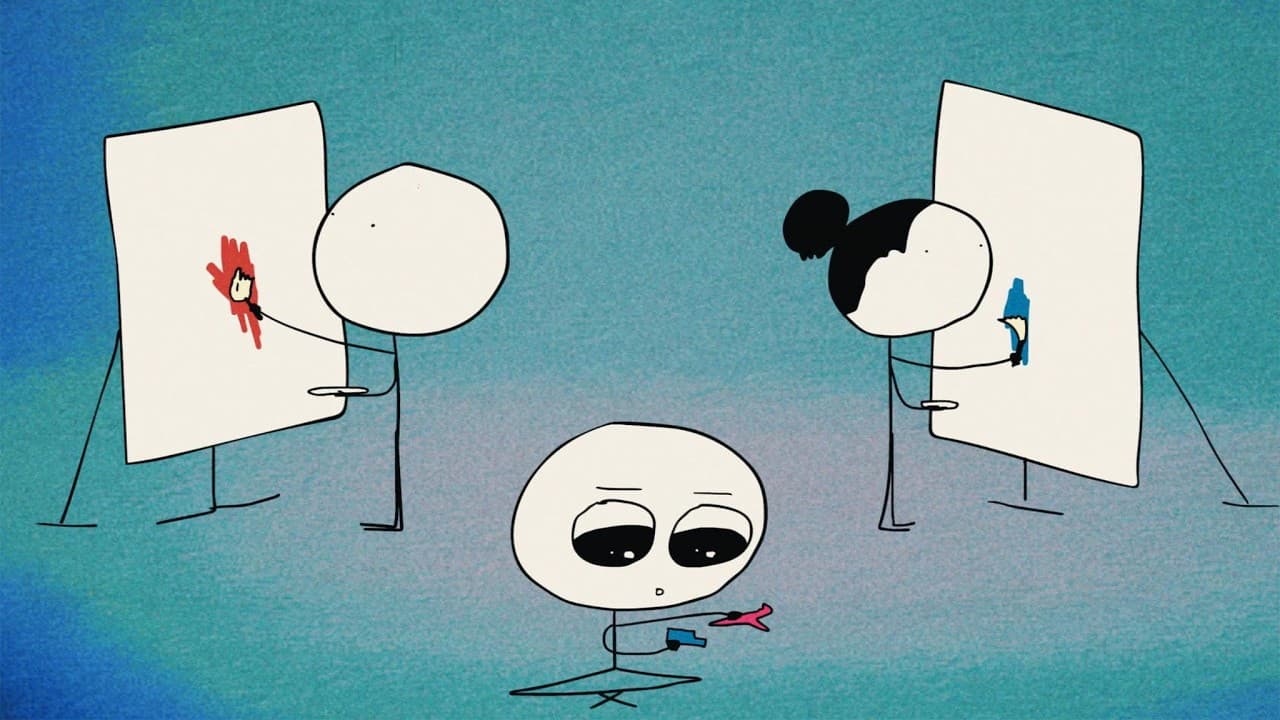
Creating gives a person a way to respond to uncertainty, discover who they are, and feel less alone. The process includes mistakes, struggle, revision, and vulnerability, but those experiences are part of creation rather than evidence of failure. Anyone can create by engaging earnestly with the world and offering something shaped by that relationship.
Transcript
This has been a pretty hard year. Finances, family in the hospital, starting school again, and all the other ups and downs that come with waking up every day and deciding to do something. Why get up? Why try? I roll the boulder up and it rolls back down. And as I watch it descend, I ask myself, why continue if there's no point and success isn't eve... Read More
Key Insights
- Creation is an honest response to existence because people can place something into the world even when life provides no apparent reason, guaranteed success, or certain destination. The act does not require an external purpose beyond allowing what was made to exist.
- Breath is evidence of immediate existence because it confirms that a person is alive, breathing, and present without resolving questions about relationships, the future, or past pain. Attention to breathing therefore provides a basic point of orientation when identity and direction feel uncertain.
- Creative struggle is part of the work because mistakes, accidents, blemishes, erased effort, and moments of confusion contribute to the story of creation. The disorder surrounding a canvas can carry the scars of its birth just as meaningfully as the image presented as finished.
- A finished product is never completely separate from its creator because every work carries brush strokes, memories, conversations, emotions, influences, and experiences. Each individual creation is therefore one piece of the broader work of self-expression, self-discovery, and personal development.
- Creating is a vulnerable act because it places part of a person before society's unreliable judgment. Public preferences can change, what once worked can stop working, and stability is uncertain, yet artists continue exposing their work and themselves to those unpredictable conditions.
- Self-expression supports self-discovery because making things reveals something about the person making them. Repeated creation allows someone to encounter personal limits, revise earlier choices, endure disorientation, and gradually understand themselves through the process of becoming rather than through a final answer.
- Art reduces isolation by carrying one person's expression into the inner life of another lost person. A song or film can say exactly what someone needs to hear, producing a brief sense of connection, recognition, meaning, and companionship with humanity.
- Creativity is available in any occupation because creating does not require becoming a celebrated painter. An accountant, doctor, or store clerk can create by engaging truly with the surrounding world and then making an offering that emerges from that relationship.
Install to Summarize YouTube Videos and Get Transcripts
Explore YouTube Video Summarizer or Get YouTube Transcript Extractor
Questions & Answers
Q: Why does creating give life a sense of meaning?
Creating gives life a sense of meaning by turning existence into an active relationship with the world. A person may not receive a clear reason for being alive, but they can still place something of themselves into existence. That offering confirms their presence, encourages self-discovery, and may reach another person who feels equally uncertain or alone.
Q: How can creative work help someone understand themselves?
Creative work helps someone understand themselves by making inner experiences visible through choices, errors, revisions, and completed pieces. Every creation carries memories, emotions, conversations, influences, and encounters with personal limits. Because each work becomes part of a larger pattern of self-expression, continued creation reveals how a person struggles, changes, grows, and becomes over time.
Q: Why are mistakes important in the creative process?
Mistakes are important because creation cannot be separated from struggle, confusion, accidents, and revision. Dripping paint, scratches, blemishes, erased hours, and painted-over sections all belong to the history of a work. They show how the creator moved between temporary certainty and predictable disorientation, making conflict and mishap essential parts of the creative rhythm.
Q: Is any creative work ever truly finished?
No creative work is presented as completely finished because every painting or other creation is connected to a much larger process. Individual works contain earlier experiences, memories, emotions, conversations, and influences, while also shaping what comes next. A completed piece is therefore only one part of the continuing work of self-expression, discovery, struggle, and growth.
Q: How does art make people feel less alone?
Art makes people feel less alone when one person's expression reaches another person and articulates something they could not express themselves. A song can say exactly the right thing, and a film can speak closely to someone's inner life. That recognition creates a moment of connection with humanity, offering meaning, purpose, companionship, and emotional warmth.
Q: Can people create without becoming professional artists?
People can create regardless of whether they are professional artists. Creativity is available to accountants, doctors, store clerks, and others because it begins with sincere engagement in the surrounding world. A person then makes an offering through that relationship. The requirement is not exceptional artistic status, but an earnest willingness to participate, respond, and express.
Q: Why is a career in art vulnerable and uncertain?
A career in art is vulnerable because an artist places part of themselves before society's unreliable judgment. The art market can decline, methods that previously worked can stop working, and public preferences are difficult to understand or predict. Continuing under those conditions requires bravery because financial stability and approval cannot be treated as guaranteed outcomes.
Q: How can someone respond when life feels pointless?
When life feels pointless, a person can first notice the basic fact that they are alive and present, as attention to breathing demonstrates. They can then engage earnestly with the world and create something from that relationship. Creation does not eliminate uncertainty, past pain, or struggle, but it offers an honest action that supports connection, growth, and self-discovery.
Summary & Key Takeaways
-
Creation is presented as an honest response to a life that offers no guaranteed purpose, certainty, or success. By making something and placing it in the world, a person affirms that they are alive, expresses part of themselves, and begins discovering who they may become through struggle and change.
-
The creative process includes accidents, erased work, confusion, disappointment, and confrontation with personal limits. These experiences are not separate from the finished work. They are essential parts of its history, and every creation belongs to a larger, unfinished process involving memory, experience, emotion, conversation, and continued personal growth.
-
Creative expression can connect people who otherwise feel isolated and lost. A song or film may articulate exactly what someone feels, creating a temporary sense of companionship with humanity. Creativity is not limited to professional artists because people in any occupation can engage deeply with the world and offer something through that relationship.
Read in Other Languages (beta)
Share This Summary 📚
Summarize YouTube Videos and Get Video Transcripts with 1-Click
Try YouTube Summary with ChatGPT & Claude or YouTube Transcript Generator
Explore More Summaries from Sisyphus 55 📚

Summarize YouTube Videos and Get Video Transcripts with 1-Click
Try YouTube Summary with ChatGPT & Claude or YouTube Transcript Generator