Warren Buffett | Testimony | Salomon Brothers | Securities Trading Investigation | 1991
TL;DR
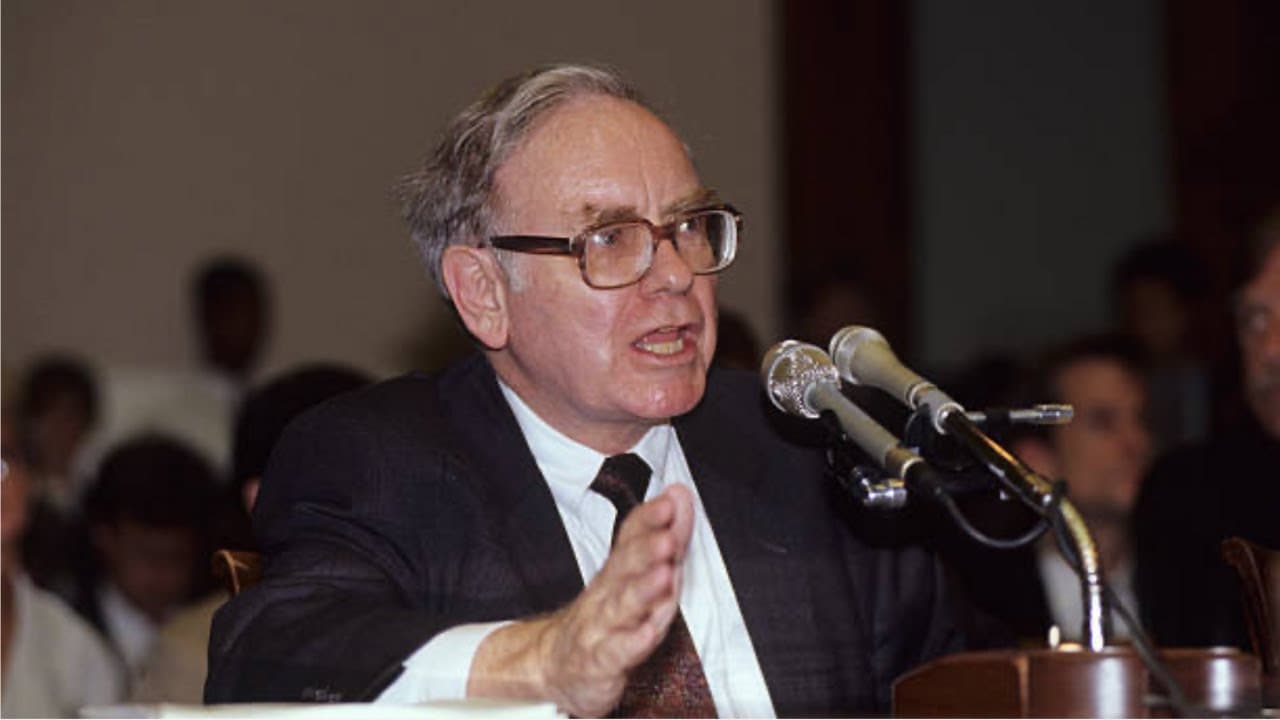
Salomon Brothers faced congressional scrutiny after senior officials engaged in illegal activity involving government securities auctions and the firm delayed reporting what its leaders knew. Warren Buffett, serving as interim chairman, apologized for the firm and promised wholehearted cooperation, while lawmakers considered stronger oversight, trading transparency, internal controls, anti-fraud authority, and coordination among federal regulators.
Transcript
keep crying you'll get a good one um pour one of these i don't want you to over indulge here okay okay i'm going to give you all my mother's address ready good afternoon today's hearing is a very important one and uh for the purposes of our orderly proceeding on today's hearing i think it's very important for us to conduct a little bit of housekeep... Read More
Key Insights
- The government securities market was valued at $2.3 trillion and described as essential to the nation's fiscal system. Lawmakers argued that illegal or manipulative conduct in such a large market directly threatened investors, taxpayers, market confidence, and government borrowing costs.
- Congress's inquiry addressed more than individual wrongdoing at Salomon Brothers. It examined whether a permissive corporate culture enabled misconduct, whether unethical or illegal practices were widespread, whether regulators responded adequately, and what reforms could improve the market's fairness and integrity.
- Salomon Brothers officials admitted wrongdoing connected with Treasury securities bidding. The hearing described repeated violations of Treasury bidding rules, unauthorized bids submitted in customers' names, apparent short squeezes, and a delay of several months before senior officers disclosed information to the government.
- The regulatory structure relied on a business relationship between the New York Federal Reserve and a limited group of primary dealers without codified rules. The chairman questioned whether that arrangement adequately protected taxpayers and investors in the government's most important securities market.
- The SEC had weaker surveillance authority in government securities than in other securities markets. The hearing chairman characterized the agency as lacking both sufficient enforcement tools and a clear view of market activity, supporting calls for expanded statutory authority.
- Proposed reforms included sales-practice rules governing broker-dealer relationships with government securities customers. Lawmakers also considered oversight of public price and trading information, standardized internal compliance procedures, and large-trader reporting to reveal where major market positions were concentrated.
- Anti-fraud authority was identified as an important legislative weakness. The chairman proposed making explicit that fraudulent or manipulative conduct in the Treasury auction process violated securities laws and suggested formalizing cooperation among the SEC, Treasury Department, and Federal Reserve.
- Warren Buffett's new management represented an early institutional response to the scandal. According to the hearing and description, the team prevented unauthorized customer bidding, cooperated with federal law-enforcement officials, accepted responsibility for predecessors' actions, and promised wholehearted assistance to investigators.
Install to Summarize YouTube Videos and Get Transcripts
Explore YouTube Video Summarizer or Get YouTube Transcript Extractor
Questions & Answers
Q: Why did Salomon Brothers face a congressional hearing in 1991?
Salomon Brothers faced Congress because senior officials had engaged in illegal activity in the government securities market. The hearing identified repeated violations of Treasury bidding rules, unauthorized bidding in customers' names, and apparent short squeezes. Lawmakers also wanted to understand why the firm's senior officers withheld information from the government for months and whether similar practices existed across the dealer community.
Q: What questions did Congress investigate after the Salomon Brothers scandal?
Congress investigated what happened inside Salomon Brothers, why its corporate culture or internal climate permitted the conduct, and whether the disclosed violations reflected broader unethical or illegal activity. The subcommittee also examined how federal regulators had responded, what they were doing after the disclosures, and what legislative measures could prevent comparable misconduct elsewhere in the government securities market.
Q: How could government securities manipulation harm taxpayers?
Lawmakers argued that manipulation could undermine confidence in the capital markets and increase government borrowing costs, which would place an additional burden on taxpayers. They also questioned whether traders were trying to corner parts of the market, squeeze out competitors, enrich the firm illegally, and influence interest rates affecting other securities. The market's stated value of $2.3 trillion increased the significance of those risks.
Q: What misconduct was attributed to Salomon Brothers officials?
The hearing attributed several forms of misconduct to former Salomon Brothers officials, including violations of Treasury auction bidding rules, unauthorized bids made on behalf of customers, and the apparent creation of short squeezes. Members also criticized senior officers for failing to report the known problems promptly, noting that information was withheld from the government for months before an official inquiry prompted disclosure.
Q: What regulatory weaknesses did the hearing identify?
The hearing identified an oversight system that differed from regulation in other securities markets. It relied substantially on a private business relationship between the New York Federal Reserve and a limited number of primary dealers, without codified rules. The SEC was responsible for enforcement but had weaker surveillance authority in this market, limiting its ability to detect and address manipulation effectively.
Q: What reforms were proposed for the government securities market?
Proposed reforms included authority for the SEC and other appropriate regulators to establish sales-practice rules, supervise the distribution of price and trading information, and require standard internal procedures at participating firms. Lawmakers also considered large-trader reporting, explicit anti-fraud coverage for manipulation in Treasury auctions, and formal cooperation among the SEC, Treasury Department, and Federal Reserve.
Q: How did Warren Buffett respond as interim chairman?
Warren Buffett responded as Salomon Brothers' interim chairman by apologizing on behalf of the investment firm and promising wholehearted cooperation with investigators examining its illegal activities. The hearing also credited the new management team with instituting procedures to stop abuses, including controls against unauthorized customer bidding, cooperating with federal law-enforcement officials, and accepting responsibility for conduct committed under prior leadership.
Q: Did Congress conclude that misconduct was widespread across the market?
Congress did not assume at this stage that the entire dealer community had engaged in improper conduct. One member explicitly cautioned against reaching that conclusion solely because the SEC had begun a broad investigation. The hearing instead sought evidence about whether Salomon Brothers was an isolated case or whether collusion, manipulation, or other improper bidding practices were more widespread among commercial and investment banks.
Summary
This video features the opening statements and introduction of Warren Buffett at a congressional hearing on the illegal activities in the government securities market by senior officials of Solomon Brothers Incorporated. The hearing aims to examine the wrongdoing at Solomon Brothers and to determine if there is a larger issue of unethical or illegal activities in the market. Questions are raised about the corporate culture, the response of regulators, and what actions can be taken to prevent similar activity in the future.
Questions & Answers
Q: What is the purpose of today's hearing?
Today's hearing is Congress's first public examination of the illegal activity in the government securities market by senior officials of Solomon Brothers Incorporated.
Q: What stake do investors and taxpayers have in the fairness of the government securities market?
Investors and taxpayers have a direct stake in the fairness of the government securities market, as it is a $2.3 trillion market that fuels the nation's fiscal engine.
Q: What are the areas of inquiry in this hearing?
The subcommittee will be examining what happened at Solomon Brothers, the corporate culture or climate of permissiveness that allowed it, the existence of more widespread unethical or illegal activities in the market, and the response of regulators. They will also explore what can be done to prevent such activity in the future.
Q: When did the subcommittee begin its inquiry into the government securities market?
The subcommittee began its inquiry last September when Representative Cooper and the chairman wrote to the SEC chairman requesting a comprehensive examination of problems in the market and the need for legislative reform.
Q: What were the findings of the subcommittee's first hearing on this issue?
The subcommittee's first hearing focused on abusive sales practices in the secondary government securities market. It also released a report from the Resolution Trust Corporation that identified at least 37 SNLs which lost a combined $620 million in the government securities market.
Q: What actions were taken by the chairman to address the allegations of manipulative activity?
The chairman wrote to the SEC, the Treasury Department, and the Fed seeking a full investigation of allegations of manipulative activity in the primary market leading to a squeeze in the secondary market.
Q: What is the significance of the solomon revelations?
The revelations at Solomon Brothers not only reveal an arrogant disdain for the law but also raise concerns about the adequacy of regulation in the government securities market.
Q: What areas of regulatory oversight need to be addressed?
The SEC and regulatory agencies should be given the authority to write sales practice rules to govern the relationship between broker dealers and their customers. The SEC should also oversee the manner in which price and trading information gets to the public and regulators. Additionally, firms in the market should be mandated to abide by standard internal procedures to prevent illegalities.
Q: What additional measures should be considered?
Consideration should be given to some form of large trader reporting for customers in the market, augmenting the SEC's anti-fraud authority, and formalizing cooperation among the SEC, Treasury, and the Fed over this marketplace.
Q: What actions need to be taken by government agencies and Congress?
Government agencies need to conduct thorough investigations of the facts at Solomon Brothers, identify and punish wrongdoers, and bring about a change in the culture of the institution. Congress should enact legislation that addresses the weakest areas of regulatory oversight in the marketplace.
Takeaways
The congressional hearing on the illegal activities at Solomon Brothers raises concerns about the corporate culture, regulatory oversight, and the need for legislative reform in the government securities market. The revelations at Solomon Brothers highlight the importance of ensuring the fairness and integrity of this market, as it directly impacts investors and taxpayers. To prevent similar activity in the future, authorities need to investigate and punish wrongdoers, while also implementing stricter regulations and oversight. Congress should consider measures such as sales practice rules, oversight of price and trading information, standard internal procedures, large trader reporting, expanded anti-fraud authority, and formalized cooperation among regulatory agencies. Ultimately, the goal is to restore public confidence and protect the interests of all stakeholders in the government securities market.
Summary & Key Takeaways
-
Congress opened its first public examination of illegal activity by senior Salomon Brothers officials in the government securities market. Lawmakers sought to determine what happened, whether the firm's culture permitted misconduct, whether similar behavior existed elsewhere, how regulators responded, and what legislation could prevent another occurrence.
-
The hearing focused on allegations that Salomon Brothers violated Treasury bidding rules, used unauthorized customer bids, and apparently created short squeezes. Members questioned whether aggressive traders tried to corner portions of the market, exclude competitors, enrich the firm unfairly, and affect interest rates connected with other securities.
-
Lawmakers proposed stronger market safeguards, including sales-practice rules, better price and trading information, mandatory internal procedures, possible large-trader reporting, clearer anti-fraud authority over auctions, and formal cooperation among the SEC, Treasury, and Federal Reserve. Buffett's new management had begun controls and pledged cooperation with investigators.
Read in Other Languages (beta)
Share This Summary 📚
Summarize YouTube Videos and Get Video Transcripts with 1-Click
Try YouTube Summary with ChatGPT & Claude or YouTube Transcript Generator
Explore More Summaries from Investor Archive 📚

Summarize YouTube Videos and Get Video Transcripts with 1-Click
Try YouTube Summary with ChatGPT & Claude or YouTube Transcript Generator