How to Break the Anxiety Cycle in 30 Days
TL;DR
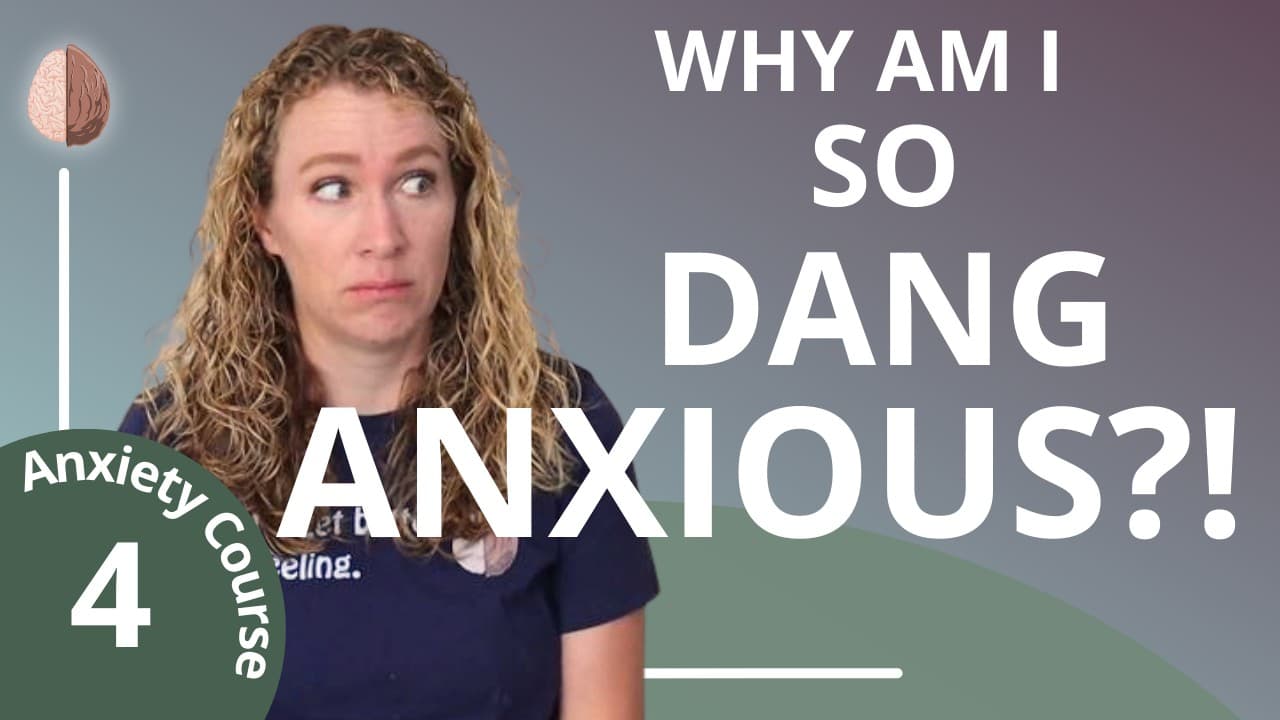
Avoidance fuels chronic anxiety by preventing closure of fear loops. Our brains amplify anxiety when we perceive danger but avoid confronting it. To reduce anxiety, learn how your nervous system works, limit media exposure, and engage in physical tasks. These actions help close anxiety loops and foster a sense of safety.
Transcript
Okay. So in the last video we learned that our brains and bodies are wired to have a strong, loud reaction to perceived danger - the fight/flight/freeze response - but they're also wired to return to a sense of safety when the danger has been faced and resolved. So why the heck do so many of us get stuck in chronic anxiety? Why are people so an... Read More
Key Insights
- Avoidance is a key factor that fuels anxiety by preventing the closure of fear loops.
- Humans are adept at perceiving danger and using avoidance as a coping mechanism.
- Avoidance provides short-term relief but increases anxiety over time.
- Modern society offers fewer opportunities to resolve physical threats, leading to chronic anxiety.
- Engaging in physical tasks can help close anxiety loops and reduce stress.
- Limiting exposure to negative media can decrease perceived threats and anxiety.
- Teaching children to handle emotions rather than distracting them is crucial for emotional resilience.
- Taking action on news stories, rather than just consuming them, can help break the immobilization cycle.
Install to Summarize YouTube Videos and Get Transcripts
Explore YouTube Video Summarizer or Get YouTube Transcript Extractor
Questions & Answers
Q: How does avoidance contribute to anxiety?
Avoidance contributes to anxiety by preventing the closure of fear loops. When individuals perceive danger but avoid confronting it, their brains amplify anxiety as a protective mechanism. This results in chronic anxiety, as the body remains in a heightened state of alert without resolving the perceived threat.
Q: Why is modern society prone to increased anxiety?
Modern society is prone to increased anxiety because it offers fewer opportunities to resolve physical threats. Many challenges are mental or social, lacking physical resolution. This leads to chronic stress, as individuals cannot close anxiety loops through physical actions, unlike our ancestors who engaged in physical tasks to resolve threats.
Q: What role does media play in anxiety?
Media plays a significant role in anxiety by increasing perceived threats. Negative news stories activate the fight/flight/freeze response, keeping individuals in a state of alertness. Limiting exposure to negative media and incorporating positive news can decrease perceived danger and help reduce anxiety levels.
Q: How can physical tasks help reduce anxiety?
Physical tasks help reduce anxiety by providing a means to close anxiety loops. Engaging in physical activities allows individuals to resolve perceived threats through action, restoring a sense of safety. This is particularly effective in a modern context where many challenges are mental or social, lacking physical resolution.
Q: What is the impact of avoidance on children?
Avoidance impacts children by preventing them from learning to manage emotions. When children are distracted from big emotions rather than taught to handle them, they miss opportunities to develop emotional resilience. This can lead to increased anxiety as they grow, as they lack the skills to face and resolve emotional challenges.
Q: How can individuals take action on news stories?
Individuals can take action on news stories by identifying whether they can act on or need to accept the situation. Actions such as writing letters, advocating, or creating change within one's circle can break the immobilization cycle. This proactive approach helps individuals feel more in control and reduces anxiety.
Q: What are some examples of avoidance behavior?
Examples of avoidance behavior include procrastination, distraction through media or hobbies, perfectionism, and pleasure-seeking activities like shopping or eating. These behaviors provide temporary relief but prevent individuals from facing and resolving underlying anxiety, ultimately increasing anxiety levels over time.
Q: Why is it important to understand the nervous system in managing anxiety?
Understanding the nervous system is important in managing anxiety because it helps individuals recognize how their body responds to perceived threats. By learning how the nervous system works and how to soothe it, individuals can develop strategies to close anxiety loops, reduce chronic stress, and foster a sense of safety.
Summary & Key Takeaways
-
Avoidance prevents the closure of the anxiety loop, leading to chronic anxiety. Humans excel at imagining dangers and avoiding them, which offers short-term relief but increases anxiety over time. Modern society's lack of physical threat resolution opportunities exacerbates this issue.
-
Engaging in physical tasks and limiting media exposure can help reduce anxiety by closing the anxiety loop and decreasing perceived threats. Teaching children to manage emotions rather than distracting them is crucial for developing emotional resilience.
-
Taking proactive steps, such as learning about the nervous system, limiting negative media, and engaging in physical tasks, can help break the cycle of anxiety. These actions foster a sense of safety and emotional resilience, reducing chronic anxiety.
Read in Other Languages (beta)
Share This Summary 📚
Summarize YouTube Videos and Get Video Transcripts with 1-Click
Try YouTube Summary with ChatGPT & Claude or YouTube Transcript Generator
Explore More Summaries from Therapy in a Nutshell 📚





Summarize YouTube Videos and Get Video Transcripts with 1-Click
Try YouTube Summary with ChatGPT & Claude or YouTube Transcript Generator