How to Build a Longevity Toolkit for Healthy Aging
TL;DR
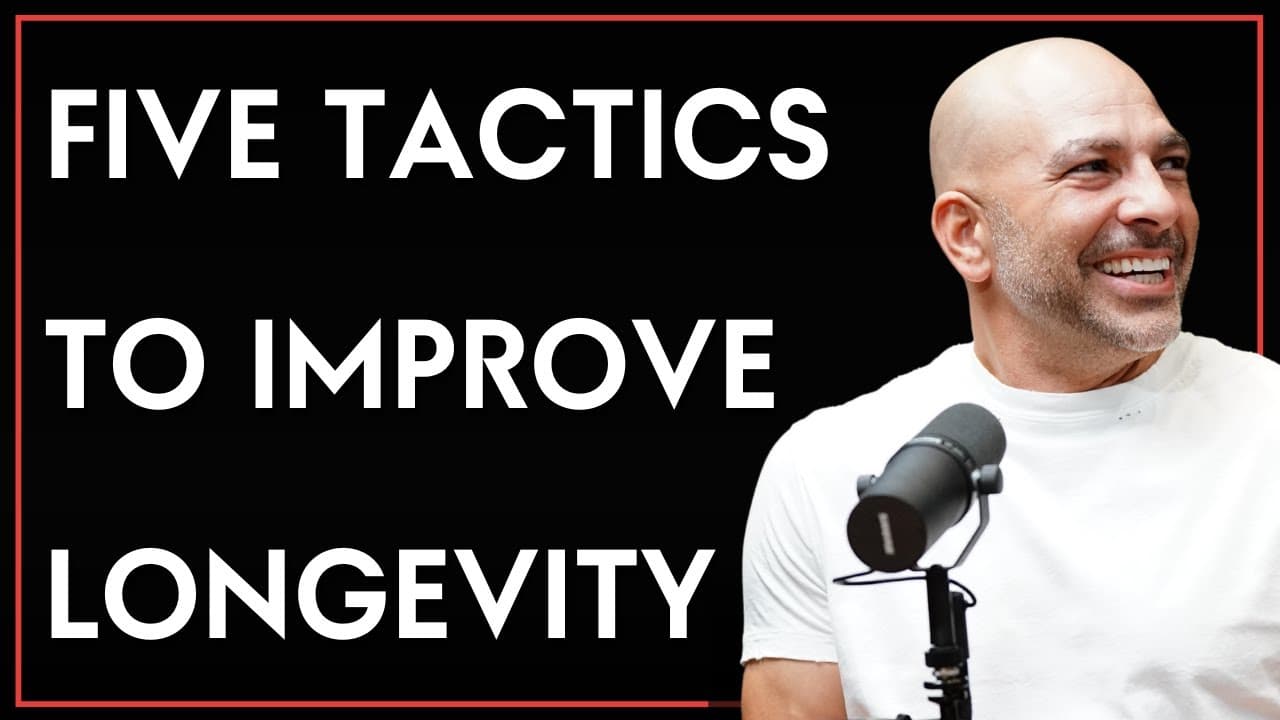
Exercise is the most important controllable longevity tactic, supported by adequate nutrition, consistent sleep, carefully evaluated medications or supplements, and emotional well-being. Healthy aging also requires adapting activity to physical limitations, consuming enough protein with resistance training to reduce muscle loss, and improving sleep through consistent wake times, earlier meals, limited evening fluids, less alcohol, darkness, and a cool room.
Transcript
do you want to quickly walk through the tactics and your longevity toolkit and then from there we can go into detail on each of them yeah I mean I think broadly speaking there are five buckets of things that we have control over um to to impact all of these things we're talking about so one we just talked about exercise and you can probably tell my... Read More
Key Insights
- Exercise is presented as the single most important controllable component of the longevity toolkit. Safe participation should be individualized, particularly when pain, joint damage, or other physical limitations affect which activities are appropriate and whether rehabilitation or medical treatment is needed.
- Inactivity can worsen some forms of back discomfort, while suitable movement may help people feel better. However, activity is not a universal remedy, because severe loss of knee cartilage may require evaluation by an orthopedic surgeon and possibly joint replacement rather than additional walking.
- A qualified physical therapist or rehabilitation professional can help distinguish limitations that may improve through training and conditioning from conditions that require medical attention. The practical aspiration is to identify what allows each person to become as active as safely possible.
- No single diet is identified as best for everyone. The central principles are avoiding both excessive and insufficient food intake, obtaining adequate protein, and choosing an eating pattern that makes those principles sustainable, whether it is vegetarian, Mediterranean, or includes meat and potatoes.
- Protein needs become especially important with age because anabolic resistance makes muscle synthesis more difficult from a given amount of amino acids. The suggested target is about one gram per pound of body weight, although falling somewhat short is distinguished from consuming only half that amount.
- Sarcopenia is age-related muscle loss that should be addressed through two complementary measures: sufficient protein consumption and resistance training. Tracking food for a week with an app can reveal whether daily protein intake is substantially below the suggested amount.
- Sleep affects both near-term and long-term brain function, while poor sleep also harms metabolic health and can indirectly influence other diseases. Aging can make sleep lighter, change sleep architecture, and increase nighttime disruptions such as waking to urinate.
- Consistent wake times can regulate the sleep cycle by building sufficient sleep pressure for bedtime. Other useful measures include eliminating naps when nighttime sleep is difficult, separating dinner from bedtime, reducing alcohol, timing evening fluids carefully, and keeping the bedroom dark and cold.
Install to Summarize YouTube Videos and Get Transcripts
Explore YouTube Video Summarizer or Get YouTube Transcript Extractor
Questions & Answers
Q: What are the five parts of a longevity toolkit?
The five controllable parts are exercise, nutrition, sleep, medications and supplements, and tools that improve emotional health and well-being. Exercise is treated as the most important component, while nutrition, restorative sleep, appropriately selected prescribed or over-the-counter products, and emotional health collectively support a longer life with better physical, cognitive, metabolic, and emotional function.
Q: How can older adults exercise safely with physical limitations?
Older adults should identify the greatest amount of activity they can perform safely rather than assuming that every injury requires inactivity. A skilled physical therapist or rehabilitation professional can determine whether training and conditioning may improve the limitation or whether medical attention is necessary. Severe joint problems, such as having no cartilage left in a knee, may require orthopedic evaluation and replacement surgery.
Q: Why can inactivity make some back pain worse?
Some people with back injuries discover that prolonged inactivity, particularly sitting, aggravates their discomfort more than appropriate movement does. Back pain may feel worse after a long drive, while being active can help many people feel better. This principle does not mean every painful condition should be exercised indiscriminately, so individual assessment remains important when selecting suitable activities.
Q: What diet is best for healthy aging?
No single diet is described as universally best. A useful diet is one that helps an individual avoid eating too much or too little while obtaining adequate protein. These principles can be followed through vegetarian, Mediterranean, or meat-containing patterns. Vegan eating can make sufficient protein harder to achieve, but it is described as possible with deliberate planning and attention.
Q: How much protein does Peter Attia suggest for aging adults?
The suggested protein target is about one gram per pound of body weight each day. For example, a person weighing 150 pounds would examine whether they are approaching 150 grams daily. Falling somewhat short is considered different from consuming only half the target. A food-tracking app used for one week can help estimate actual intake and expose substantial shortfalls.
Q: Why are protein and resistance training important during aging?
Aging brings anabolic resistance, which means muscles have increasing difficulty synthesizing and growing new muscle tissue from a given amount of amino acids. Adequate protein supplies those building blocks, while resistance training provides the complementary physical stimulus. Together, these measures address sarcopenia, the age-related loss of muscle that can undermine strength and healthy function.
Q: How can older adults improve sleep without supplements?
Sleep can be improved by maintaining the same wake time every day, eliminating daytime naps when nighttime sleep is difficult, and allowing enough sleep pressure to build. Additional measures include leaving several hours between dinner and bedtime, minimizing alcohol before sleep, keeping the bedroom very dark and cold, and balancing hydration with reduced fluid intake near bedtime.
Q: Does melatonin help older adults sleep through the night?
Melatonin may help initiate sleep because its levels can decline with age, but it primarily acts as a signal to begin sleeping. It does not necessarily keep a person asleep throughout the night. Its effectiveness is therefore limited when foundational habits are neglected, so sleep timing, naps, food, alcohol, hydration, darkness, and room temperature should be addressed before relying on supplements.
Summary & Key Takeaways
-
The longevity toolkit contains five controllable areas: exercise, nutrition, sleep, medications and supplements, and emotional health. Exercise receives the strongest emphasis, but every area can affect physical, cognitive, metabolic, and emotional well-being. The appropriate strategy should account for each person’s health, limitations, habits, and ability to follow it consistently.
-
Physical limitations do not always require inactivity. Many people with back pain feel worse after prolonged sitting and better with appropriate movement, although severe joint damage may require medical treatment or replacement surgery. A skilled physical therapist or rehabilitation professional can distinguish problems that may improve through conditioning from those needing clinical attention.
-
Nutrition should prevent both excessive and insufficient intake while prioritizing protein during aging. Protein and resistance training work together against sarcopenia and anabolic resistance. Better sleep begins with behavioral fundamentals, including a stable wake time, avoiding naps when nighttime sleep is difficult, finishing dinner earlier, reducing alcohol, and managing evening hydration.
Read in Other Languages (beta)
Share This Summary 📚
Summarize YouTube Videos and Get Video Transcripts with 1-Click
Try YouTube Summary with ChatGPT & Claude or YouTube Transcript Generator
Explore More Summaries from Peter Attia MD 📚

Summarize YouTube Videos and Get Video Transcripts with 1-Click
Try YouTube Summary with ChatGPT & Claude or YouTube Transcript Generator