How to raise good humans with secure parenting
TL;DR
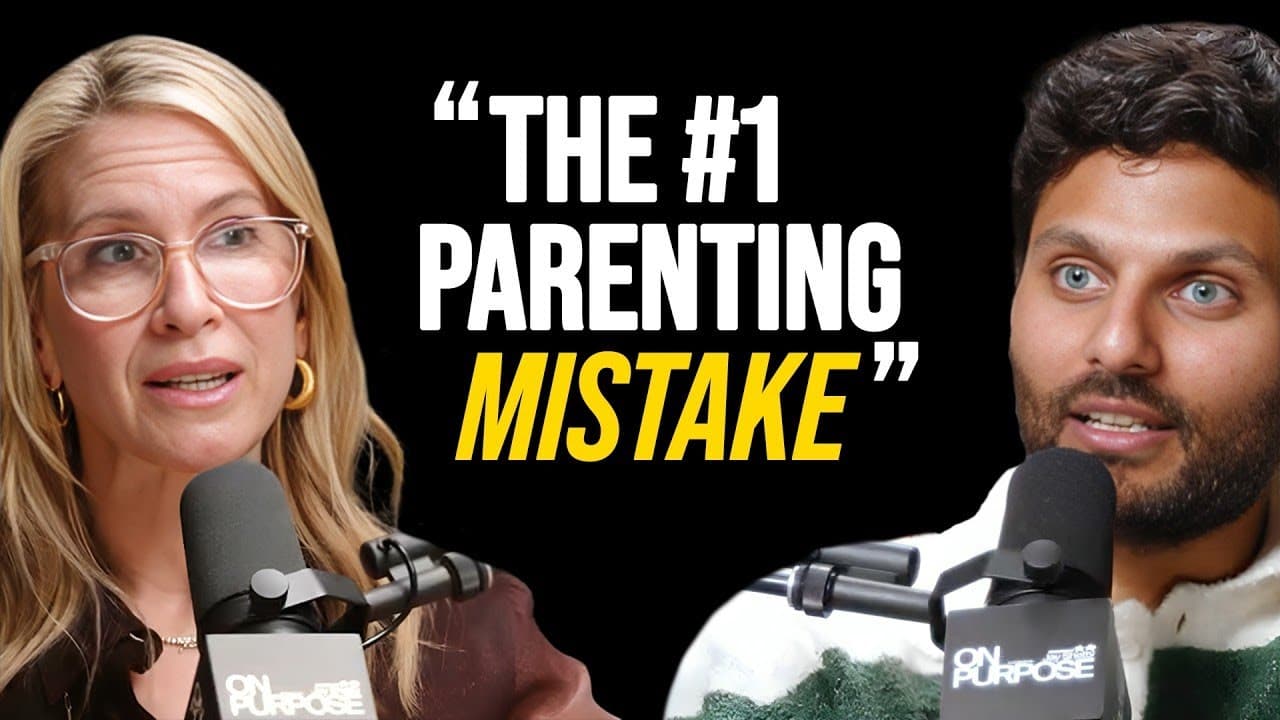
Secure attachment and intentional reflection before parenting help raise resilient kids. The host emphasizes creating a parenting mission statement, resisting the urge to fix every problem, and building a secure relationship over time. Mistakes are opportunities to learn; presence and intentional practice matter more than perfection.
Transcript
it used to be you have a baby develop the secure attachment and that's it our job is not to fix it's to be there she has a podcast called raising good humans psychologist Alisa prman not only can you not be perfect but it's actually worse for your kids I feel like discipline is so controversial I think of it as all feelings are welcome all behavior... Read More
Key Insights
- Secure attachment relationships are foundational and protective, buffering the impact of trauma and supporting healthy development.
- Intentional pre parenting reflection helps you define how you want to be as a parent, even before having children.
- A parenting mission statement guides behavior and sets expectations for the family system.
- Parenting is dynamic; attachment can grow and strengthen across different ages, not just in early infancy.
- Feeling guilt is common, but the goal is being there consistently rather than fixing every problem.
- Mistakes in parenting are opportunities to learn and improve, not metrics of failure.
- Discipline and communication should be developmentally appropriate and focused on guidance rather than control.
- The conversation advocates embracing parental failure as part of the growth process and continuing to learn.
- More videos from this channel:
- More from this channel: Jay Shetty Podcast
Install to Summarize YouTube Videos and Get Transcripts
Explore YouTube Video Summarizer or Get YouTube Transcript Extractor
Questions & Answers
Q: What is secure attachment and why does it matter for parenting?
Secure attachment is a relational pattern where a child experiences consistent, responsive care that helps them feel safe to explore and return to a caregiver. It matters because it provides emotional safety, buffers stress, and supports long term resilience. The discussion emphasizes that secure attachment can be cultivated and strengthened over time rather than being fixed at birth.
Q: Why should parents create a parenting mission statement?
A parenting mission statement serves as a guiding compass for how you want to show up for your child. It helps align actions with values, reduces impulsive reactions, and provides a framework for consistency across ages and situations. This proactive step supports intentional parenting rather than relying on ad hoc responses.
Q: How can parents handle the feeling of guilt in parenting?
Guilt is common when parents feel they should fix every problem or be present in every moment. The key is recognizing that the goal is consistent presence and supportive interactions, not perfection. By focusing on showing up reliably, parents can foster secure relationships and model healthy coping for their children.
Q: What does it mean to embrace parental failure?
Embracing parental failure means viewing missteps as learning opportunities rather than proof of inadequacy. It involves reflecting on what happened, communicating openly with your child when appropriate, and correcting course. This mindset helps maintain resilience in both parent and child while preserving trust.
Q: How should parents approach discipline according to the discussion?
Discipline should be developmentally appropriate and aim to guide rather than punish. The emphasis is on helping children regulate emotions and behaviors while maintaining connection. Effective discipline supports learning and independence without eroding the parent child relationship.
Q: What roles do communication styles play at different ages?
Communication styles should adapt to the child's developmental stage, balancing clarity with empathy. As children grow, conversations expand from age appropriate guidance to collaborative problem solving. Consistent, age appropriate communication helps children feel heard and understood while learning self regulation.
Q: What are the risks of over parenting and how can they be avoided?
Over parenting risks creating dependency, reducing resilience, and impairing a child’s autonomy. To avoid this, balance involvement with opportunities for independence, allow natural consequences within safe limits, and encourage problem solving. The goal is to support growth without micromanaging every choice.
Q: What practical tools help when a child is struggling?
Practical tools include validating feelings, teaching emotion regulation strategies, and providing structured support during difficult times. These approaches help children manage distress, learn coping skills, and maintain a sense of security. The methods emphasize presence, patience, and clear guidance.
Summary & Key Takeaways
-
A clear path to healthier parenting starts with secure attachment and pre parenting reflection that informs how you intend to raise your children.
-
The conversation stresses that you cannot fix every issue for your child, but you can be consistently present and supportive as they navigate emotions.
-
A practical framework emerges around a parenting mission statement, embracing mistakes, and developing resilient, independent kids through clear communication and reasonable expectations.
Read in Other Languages (beta)
Share This Summary 📚
Summarize YouTube Videos and Get Video Transcripts with 1-Click
Try YouTube Summary with ChatGPT & Claude or YouTube Transcript Generator
Explore More Summaries from Jay Shetty Podcast 📚






Summarize YouTube Videos and Get Video Transcripts with 1-Click
Try YouTube Summary with ChatGPT & Claude or YouTube Transcript Generator