How to focus on the right goal and stop procrastinating
TL;DR
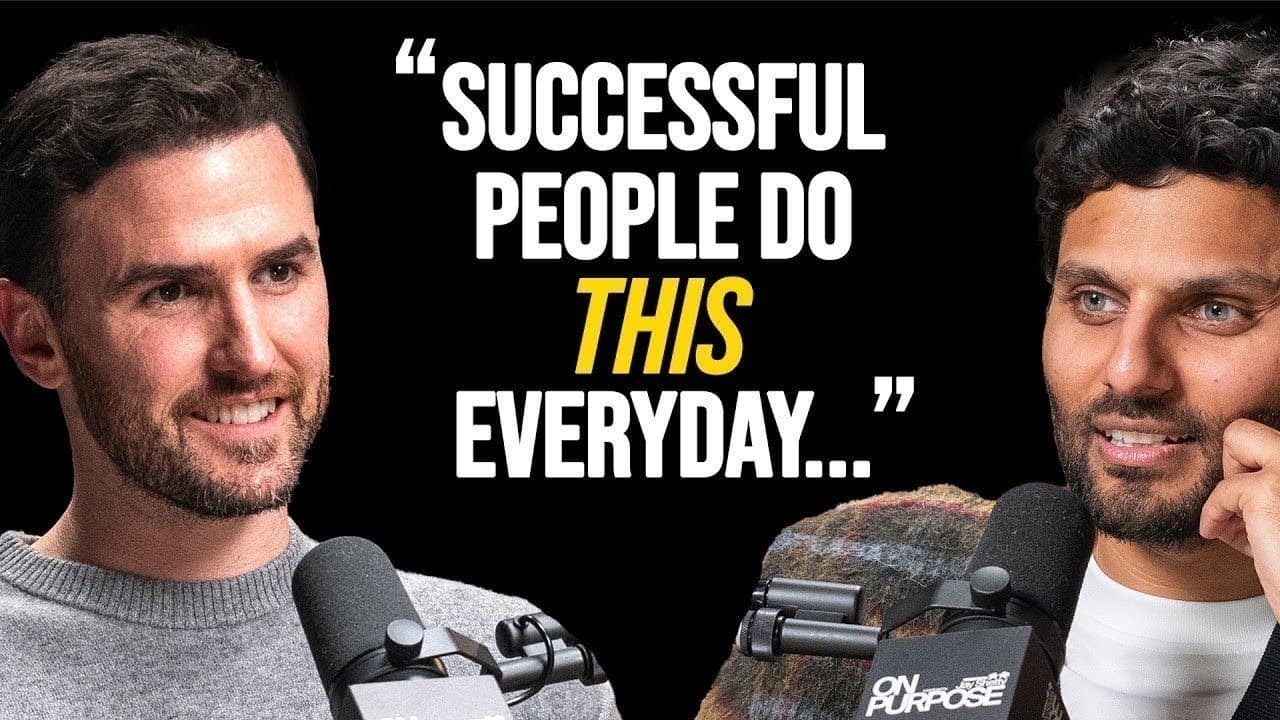
The core is identifying your strong why and using it to drive action. When fear is recognized, replace it with a vision of success and concrete next steps, making it easier to start. Procrastination fades when you reframe fear, simplify access to action, and commit to meaningful outcomes.
Transcript
I think if people are like I want to accomplish this goal the very next question is why and then go why why why why why if your why is so strong how it's going to be done it doesn't matter you'll figure out you've got a book out called level up rub dial from the mindset Mentor podcast not everything that's happened to you in your life is your fault... Read More
Key Insights
- Fear is a key barrier to action but can be reframed by focusing on positive outcomes.
- A strong WHY acts as a compass that makes taking action easier and more consistent.
- Intellectual fears are often imagined, not real, and can be overcome through deliberate practice.
- Visualizing the best possible outcome helps reduce negative projections and motivates momentum.
- Awareness of fear must be paired with a practical plan to cultivate action.
- Silence and introspection can clarify values and guide decisions.
- Identity and self-perception shape behavior, so challenging limiting beliefs can unlock progress.
- Creating easy access to habit formation, like subscribing, reinforces ongoing learning and growth.
- More videos from this channel:
- More from this channel: Jay Shetty Podcast
Install to Summarize YouTube Videos and Get Transcripts
Explore YouTube Video Summarizer or Get YouTube Transcript Extractor
Questions & Answers
Q: What is the first step to stop procrastinating according to the episode
The first step is to identify your WHY, the deeper reason behind your goal, because a strong why makes the next steps feel more inevitable. When you understand why you want to achieve something, you can convert vague motivation into concrete actions and persist even when fear arises. This awareness anchors your commitment and guides planning.
Q: How does the speaker suggest handling intellectual fear
The speaker suggests recognizing that intellectual fear is often imagined and not an external obstacle. By acknowledging the fear and then visualizing the best possible outcome, you shift focus from what could go wrong to what could go right. This reframing makes it easier to take the first step toward action.
Q: Why is visualization of success emphasized in the discussion
Visualization of success is emphasized because it trains the mind to experience the positive emotions associated with achieving the goal, which in turn motivates action. By consistently imagining the outcome, you create a mental map that reduces uncertainty and lowers resistance, helping you approach tasks with greater confidence.
Q: What role does fear play in behavior, and how can it be managed
Fear often drives avoidance and inaction, especially when projected into an uncertain future. It can be managed by becoming aware of the fear, practicing calming strategies like deep breathing, and reframing the situation to highlight constructive possibilities. This turns fear from a barrier into a signal for targeted action.
Q: What does the episode say about the difference between primal and intellectual fears
Primal fears relate to basic survival like pain or death, whereas intellectual fears involve social and personal risks like rejection or failure. The episode notes both can hinder progress, but they can be addressed with awareness, cognitive reframing, and practical steps tailored to the specific fear type.
Q: How can one make taking action easier according to the host
Action is made easier by making the next step obvious and accessible. This includes clarifying a small, concrete action you can take immediately, reducing friction, and creating habits that require minimal effort to start. Building momentum through small wins compounds motivation over time.
Q: What is suggested about changing self perception to improve outcomes
The discussion suggests that who you think you are can limit or expand your capabilities. By challenging limiting beliefs and embracing identities that support growth, you can unlock new behaviors. This shift enables more consistent action aligned with your goals and values.
Q: What practical habit does the host promote for ongoing growth
The host promotes creating a simple habit loop, such as subscribing to the channel, to foster ongoing learning and improvement. Repetition of small, effortless actions builds a sustainable rhythm of progress, reinforcing commitment to happiness, health, and healing while supporting future goals.
Summary & Key Takeaways
-
The episode argues that fear and misaligned goals derail action, and that clarifying your why helps you act consistently. It emphasizes reframing fear as a driver for progress and making the path to action easy to start. Subscribing to the channel is presented as a habit-building tool to support growth.
-
The discussion contrasts primal fears with intellectual fears like rejection or failure and explains how both can paralyze progress if not managed. It proposes deliberate breathing and visualization of best outcomes as practical tactics to regain momentum.
-
The host shares personal anecdotes about purposeful change, the importance of silence and introspection, and the idea that external quests often reflect inner needs. Final lessons stress self-trust, taking proactive steps, and revisiting your values to stay aligned.
Read in Other Languages (beta)
Share This Summary 📚
Summarize YouTube Videos and Get Video Transcripts with 1-Click
Try YouTube Summary with ChatGPT & Claude or YouTube Transcript Generator
Explore More Summaries from Jay Shetty Podcast 📚





Summarize YouTube Videos and Get Video Transcripts with 1-Click
Try YouTube Summary with ChatGPT & Claude or YouTube Transcript Generator