Is Islam Truly a Religion of Peace?
TL;DR
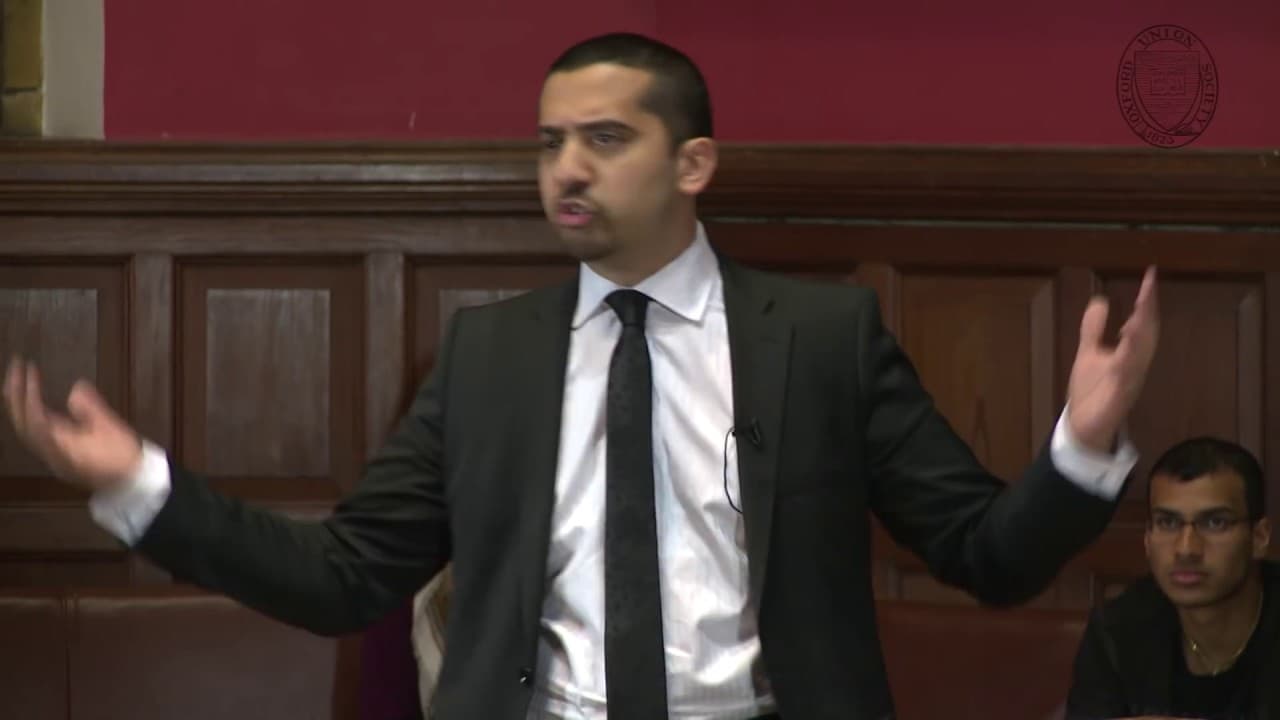
Islam is often misunderstood as a violent religion, yet the majority of Muslims worldwide reject violence and terrorism. The video highlights the peaceful teachings of Islam and challenges the stereotype that Islam promotes violence. It calls for understanding and trust in the peaceful majority of Muslims, emphasizing that a small minority misinterpret the religion's teachings.
Transcript
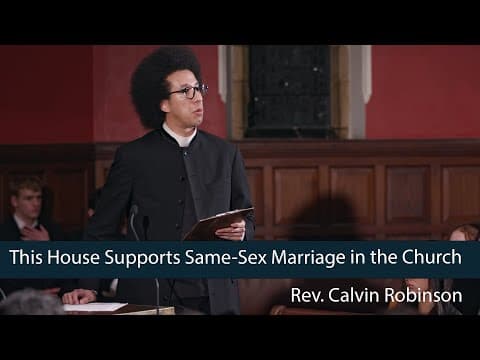
[Applause] thank you very much Mr President ladies and gentlemen good evening assalam alaykum lovely to see you all here tonight we are having a very entertaining night are we not with some very interesting things being said uh from the other side of the house tonight um let me Begin by saying as a Muslim as a representative of Islam I would consid... Read More
Key Insights
- Islam is often misrepresented as a violent religion, but the majority of Muslims reject such interpretations.
- A small minority of Muslims misinterpret Islamic teachings to justify violence, but this is not representative of the faith.
- Mainstream Islamic scholarship consistently condemns violence and terrorism, emphasizing peace and compassion.
- The Quran predominantly introduces God as merciful and compassionate, not as a deity of war.
- Historical contributions of Muslims to global civilization are often overlooked, including significant advancements in mathematics and philosophy.
- Terrorism experts find little connection between Islamic fundamentalism and suicide terrorism, which is driven by political motives.
- Generalizations about Islam fuel divisive narratives and empower extremists by validating their misinterpretations.
- The majority of Muslims worldwide, including in the UK, see Islam as a source of spiritual fulfillment and peace.
Install to Summarize YouTube Videos and Get Transcripts
Explore YouTube Video Summarizer or Get YouTube Transcript Extractor
Questions & Answers
Q: How does the Quran portray God?
The Quran predominantly portrays God as merciful and compassionate. Out of the 114 chapters in the Quran, 113 begin by introducing God as a deity of mercy and compassion, emphasizing peace and kindness as core tenets of the Islamic faith. This portrayal contrasts with the misinterpretation of Islam as a religion of war and violence.
Q: What is the main argument against Islam being a violent religion?
The main argument against Islam being a violent religion is that the vast majority of Muslims worldwide reject violence and terrorism. Studies and polls have shown that most Muslims denounce acts of terrorism and do not interpret their religion as promoting violence. The misinterpretation by a small minority does not reflect the beliefs of the entire Muslim community.
Q: What role do Muslim scholars play in condemning violence?
Muslim scholars play a crucial role in condemning violence by issuing fatwas and public statements that denounce terrorism and the killing of innocents. They emphasize that such acts have no basis in Islamic law and are contrary to the teachings of the Quran. This scholarly consensus reinforces the peaceful principles of Islam and counters extremist narratives.
Q: Why is the stereotype of Islam as a violent religion problematic?
The stereotype of Islam as a violent religion is problematic because it fuels bigotry and division, empowering extremists by validating their misinterpretations. It overlooks the peaceful teachings of Islam and the majority of Muslims who live by these principles. Such generalizations ignore the diversity within the Muslim community and the historical contributions of Muslims to global civilization.
Q: What historical contributions have Muslims made to civilization?
Muslims have made significant historical contributions to civilization, particularly during the Golden Age of Islam. This includes advancements in mathematics, such as the development of algebra and algorithms, as well as contributions to philosophy, medicine, and the preservation of Greek texts. These achievements have played a crucial role in the Renaissance and the intellectual development of Europe.
Q: What do terrorism experts say about the link between Islam and terrorism?
Terrorism experts, such as Professor Robert Pape, have found little connection between Islam and terrorism. Studies show that suicide terrorism is driven by political motives rather than religious fundamentalism. The majority of terrorist attacks have secular and strategic goals, such as compelling democracies to withdraw military forces from territories considered as homeland by terrorists.
Q: How do polls reflect Muslim attitudes towards violence?
Polls, such as those conducted by Gallup, reflect that the overwhelming majority of Muslims reject violence and terrorism. For example, a global poll found that 93% of Muslims condemned the 9/11 attacks and other acts of terrorism. Those who did not cited political reasons rather than religious motivations, highlighting the misinterpretation of Islam by a minority.
Q: What is the significance of the Oxford Union debate on Islam?
The Oxford Union debate on Islam is significant as it provides a platform to challenge stereotypes and misconceptions about Islam. It emphasizes the peaceful teachings of the religion and encourages dialogue and understanding. The debate also highlights the importance of rejecting divisive narratives and trusting the peaceful majority of Muslims who live by the true principles of Islam.
Summary & Key Takeaways
-
Islam is frequently mischaracterized as a religion of violence, yet the majority of Muslims around the world reject such a notion. The video emphasizes that mainstream Islamic teachings promote peace and that only a small fraction of Muslims misinterpret the religion to justify violent acts. It calls for trust in the peaceful majority and challenges the divisive narratives that fuel bigotry and hate.
-
The speaker argues that Islam, like other major religions, is fundamentally based on principles of love, compassion, and mercy. He points out that historical contributions by Muslims have been pivotal in shaping global civilization, and that terrorism is often politically rather than religiously motivated. The video urges viewers to reject stereotypes and recognize the peaceful nature of Islam.
-
The video challenges the perception that Islam is inherently violent by highlighting the peaceful beliefs of the majority of Muslims. It critiques the lack of expertise among those who generalize about Islam and underscores the importance of understanding and respecting the true teachings of the religion. The speaker calls for a rejection of divisive and hateful rhetoric.
Read in Other Languages (beta)
Share This Summary 📚
Summarize YouTube Videos and Get Video Transcripts with 1-Click
Try YouTube Summary with ChatGPT & Claude or YouTube Transcript Generator
Explore More Summaries from OxfordUnion 📚


Summarize YouTube Videos and Get Video Transcripts with 1-Click
Try YouTube Summary with ChatGPT & Claude or YouTube Transcript Generator