Why Has the Reusable Water Bottle Become a Status Symbol?
TL;DR
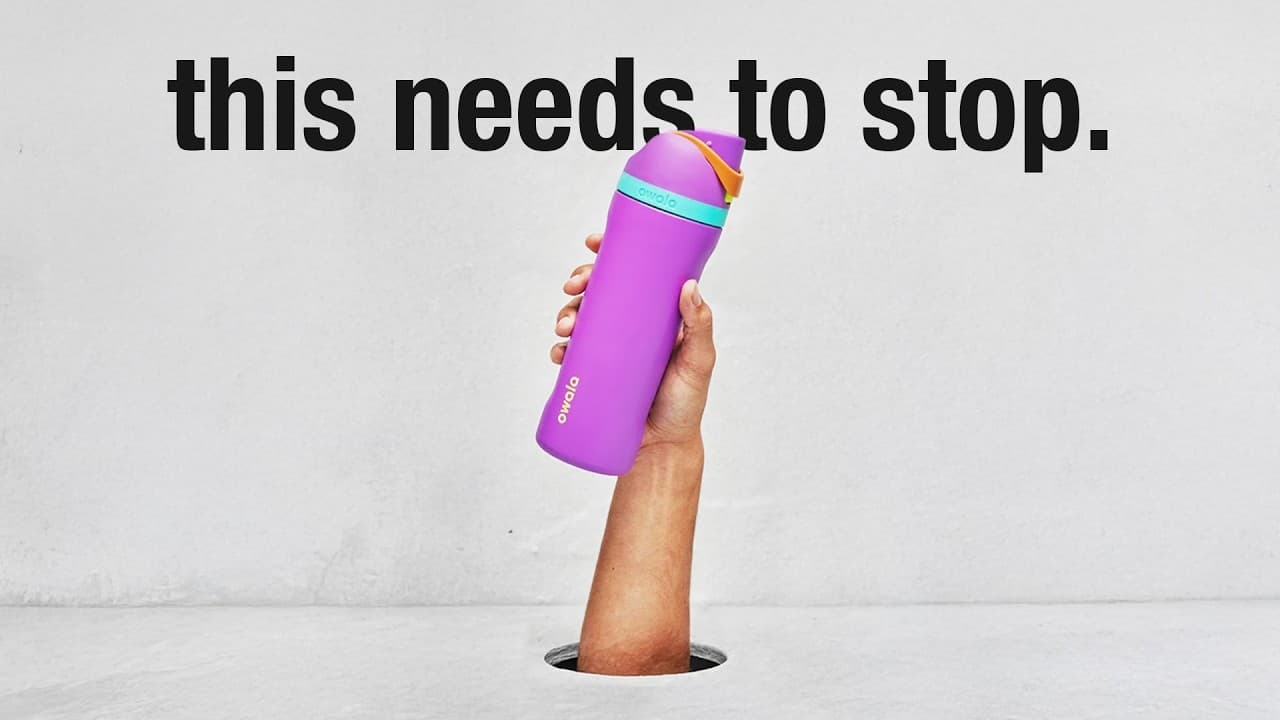
Reusable water bottles became status symbols because brands turned colors, logos, lid shapes, and limited releases into signals of identity and belonging. The trend grew alongside wellness and sustainability in the 2010s, but scarcity marketing and collectible colorways encouraged people to buy multiples; the average Swell customer had 5.5 bottles at home. Read on to see how lifestyle branding transformed a practical product into a driver of overconsumption.
Transcript
Water bottles. At one point in time, they were a functional tool, a revolutionary invention that allowed you to, get this, take water with you everywhere you go. But you may have noticed something different lately. Water bottles have evolved well beyond their original design to be something much more, a status symbol. Water bottle brands now compet... Read More
Key Insights
- Water bottles have evolved from a functional tool into a status symbol, where color, size, lid shape, and logo signal identity, belonging, and values rather than serving any new practical purpose.
- The trend took off in the 2010s alongside the rise of the wellness economy and sustainability concerns, when plastics became the enemy and carrying a trendy reusable bottle signaled being healthy, stylish, and environmentally conscious.
- Swell, founded by Sarah Kouse in 2010, launched with a mission to keep single-use containers out of landfills and oceans but soon pivoted to maximizing sales, growing from $3 million to $100 million in revenue in a few years.
- The average Swell customer keeps 5.5 bottles at home, illustrating how a product marketed for sustainability instead encourages collecting multiples and generating more waste.
- Brands drive repeat purchases through scarcity marketing, hype drops, collabs, and seasonal colors, manufacturing urgency by making 500 bottles instead of 10,000 to trigger psychological needs to belong and secure a scarce resource.
- Releasing the same bottle in infinite colors is the core strategy because improving a design or adding features costs money, while re-coloring an existing product costs almost nothing and is the only way to resell to existing customers.
- Stanley shifted its identity from rugged gear for outdoorsmen and construction workers toward young people and parents after influencers and celebrities like Olivia Rodrigo carried the oversized bottles, alienating some loyal original users.
- Lifestyle branding markets products on feelings, values, and aspirations rather than function, turning bottles, luggage, toothbrushes, and home goods into shortcuts for self-expression that succeed on aesthetics rather than solving new problems.
Install to Summarize YouTube Videos and Get Transcripts
Explore YouTube Video Summarizer or Get YouTube Transcript Extractor
Questions & Answers
Q: Why has the reusable water bottle become a status symbol?
Its brand, color, size, lid shape, and logo now communicate identity and belonging beyond the bottle’s practical function. A rugged insulated bottle can suggest an outdoorsy lifestyle, while a sleek monochrome bottle can signal intentional, environmentally conscious consumption.
Q: How did the reusable water bottle trend begin?
The trend took off in the 2010s as the wellness economy grew and sustainability became more important to consumers. With plastics and disposable products increasingly shunned, carrying a trendy reusable bottle became a way to appear healthy, stylish, and environmentally conscious.
Q: Which brands drove the reusable water bottle trend?
Swell was one of the first trendy water bottle brands to gain traction. As competition intensified, Yeti, Hydro Flask, Frank Green, Stanley, and numerous other brands entered what the transcript calls the “water bottle wars.”
Q: How did Swell’s sustainability mission conflict with consumerism?
Swell began with a mission to keep single-use beverage containers out of landfills and oceans. The company later focused on selling more bottles, and its average customer had 5.5 bottles at home, showing how a reusable product could become a collectible source of additional consumption.
Q: How successful did Swell become?
Swell grew from $3 million in revenue to $100 million in just a few years. Its average customer with a Swell at home owned 5.5 bottles, demonstrating how effectively the brand encouraged repeat purchases.
Q: What marketing tactics encourage people to buy multiple water bottles?
Brands use scarcity marketing, hype drops, collaborations, and seasonal colors to create urgency. The transcript explains that a company might release 500 bottles instead of 10,000 to trigger consumers’ desire to belong, fit in, and obtain something presented as scarce.
Q: Why do water bottle brands release so many colors and accessories?
New colors let brands sell essentially the same bottle repeatedly to existing customers. Brands also introduced straws, straw lids, boots, and other accessories, expanding the trend beyond the bottle itself and creating more opportunities for purchases.
Q: Why is the reusable water bottle trend environmentally contradictory?
Reusable bottles originally represented wellness, durability, and a move away from disposable plastic. Collecting multiple colors, limited editions, and accessories instead fuels waste and overconsumption, producing the opposite outcome from the sustainability values that helped launch the trend.
Summary & Key Takeaways
-
Water bottles began as a functional invention for carrying water but have evolved into status symbols, where the specific brand, color, and lid style on your desk communicate whether you are outdoorsy, cozy, or an intentional minimalist consumer, making small design details culturally significant.
-
The trend emerged in the 2010s as wellness and sustainability rose, with plastics shunned and reusable bottles signaling health and virtue. Swell popularized trendy bottles, then brands like Yeti, Hydro Flask, Frank Green, and Stanley sparked a competitive water bottle war over market share.
-
Marketers fuel the fad with scarcity, hype drops, collabs, and endless seasonal colorways because recoloring costs almost nothing. This lifestyle branding, sold on identity rather than function, drives overconsumption and waste, the exact opposite of the sustainable, wellness-focused values the trend originally claimed to promote.
Read in Other Languages (beta)
Share This Summary 📚
Summarize YouTube Videos and Get Video Transcripts with 1-Click
Try YouTube Summary with ChatGPT & Claude or YouTube Transcript Generator
Explore More Summaries from Matt D'Avella 📚





Summarize YouTube Videos and Get Video Transcripts with 1-Click
Try YouTube Summary with ChatGPT & Claude or YouTube Transcript Generator