What Happens When You Quit Social Media?
TL;DR
Removing social media apps, logging out, and keeping the phone physically distant reduced daily phone use from 98 minutes to 23 minutes during a 30-day break. The change disrupted compulsive checking, created more time for focused work and family, and showed that business growth could continue without constant social posting, although the creator considered the timing of his YouTube growth likely coincidental.
Transcript
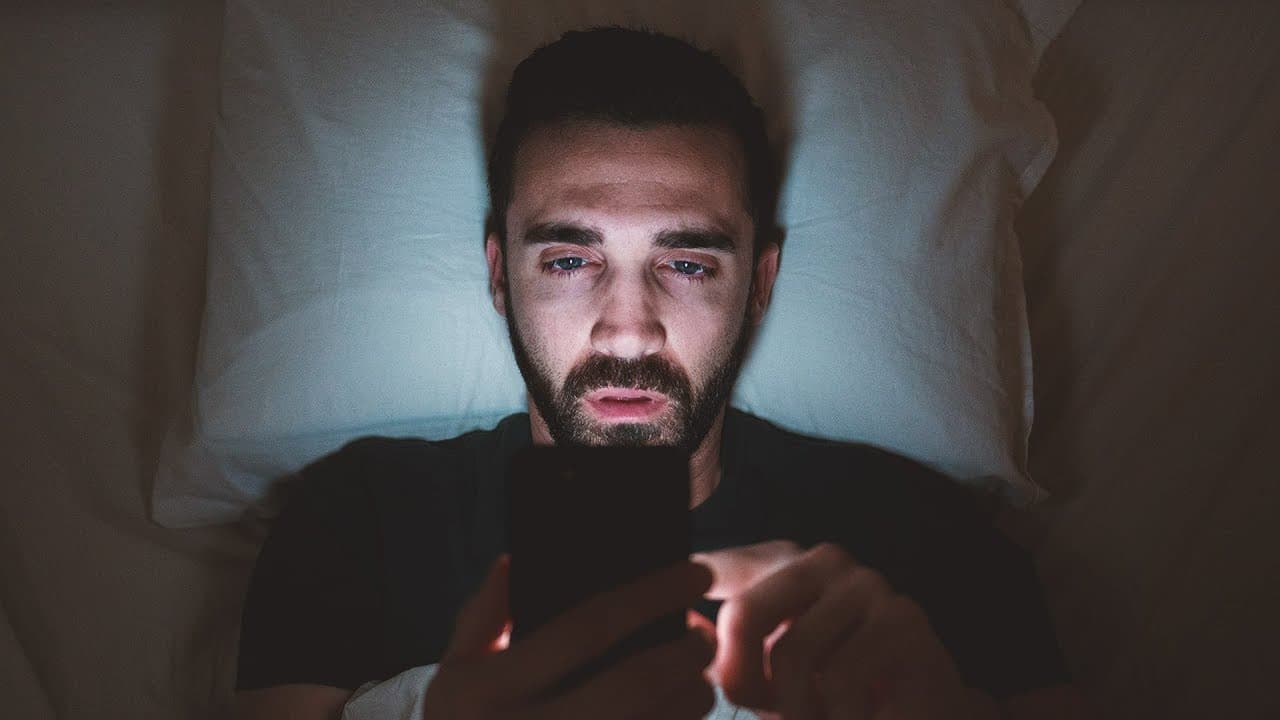
American Millennials spend more than three and a half hours on their phone every day. A majority of that time is spent on social media. My question: what benefits could you receive from stepping away from social media? Would you be more productive? more focused? In what ways might your life change? And as someone who produces content and depends on... Read More
Key Insights
- Compulsive phone checking is driven partly by anticipation. The creator repeatedly reached for his phone because a client might have replied, a post might have become popular, or another interesting event might have occurred, even though checking usually revealed nothing meaningful.
- Environmental friction is an effective barrier to automatic checking. Deleting social apps, logging out of accounts, clearing browser history, leaving the phone in another room, and sometimes going outside without it made social media less immediately accessible and helped disrupt established routines.
- The first few days of a social media break are the most challenging. During the first week, the creator automatically grabbed and unlocked his phone, then searched through its screens before remembering that all social applications had already been removed.
- Phone use can fall substantially when social media becomes inaccessible. Average daily screen time declined from 98 minutes in the previous month to 23 minutes during the 30-day experiment, freeing roughly an additional hour each day for work, creative projects, rest, and family.
- Social media can create comparison, dependence on feedback, and distraction. Constant exposure to what other people possess can encourage wanting the same things, while attention and connection can preoccupy the mind and repeated browsing can consume time that might otherwise support valued activities.
- Business growth did not require constant social posting during this experiment. The creator gained more than 124,000 YouTube subscribers, experienced his largest increase in Patreon supporters, and saw a minimalist video reach 3 million views in 10 days, although he considered the timing likely coincidental.
- Strong work can generate social attention without constant platform activity. The creator used the Mona Lisa example from Seth Godin to distinguish being widely discussed because something is notable from becoming notable merely through frequent social media participation.
- Productivity is not limited to increasing output. Reclaimed time allowed the creator to get ahead on work, make more content if desired, or take time away and visit family, showing that better focus can support both creative work and a less crowded schedule.
Install to Summarize YouTube Videos and Get Transcripts
Explore YouTube Video Summarizer or Get YouTube Transcript Extractor
Questions & Answers
Q: How can you quit social media for 30 days?
Start by deleting every social media application from your phone, logging out of accounts on your computer, and clearing browser history so returning requires deliberate effort. Keep the phone in another room while working and, when practical, leave home with only essential items such as a wallet and keys. These physical and digital barriers create friction that helps interrupt automatic checking.
Q: Why is it difficult to stop checking social media?
Checking can become a compulsive response to anticipation rather than an attachment to particular posts, likes, comments, or messages. A person may expect that a potential client replied, a post became popular, or something unusual happened. Because each check might reveal a reward, the hand can reach for the phone automatically whenever the mind wanders, even when previous checks produced nothing important.
Q: How much can a social media break reduce screen time?
During this specific 30-day experiment, average daily phone use dropped to 23 minutes, compared with 98 minutes per day in the previous month. The reduction followed the removal of social applications and greater physical distance from the phone. These figures describe the creator's personal results, but they demonstrate how much time repeated checking and browsing had occupied in his routine.
Q: What are the main benefits of quitting social media?
The reported benefits included less compulsive checking, fewer distractions, reduced comparison with other people, more focused work, and a greater sense of clarity. The creator also gained roughly an additional hour each day, which could be used to make videos, get ahead on work, rest, or spend time with family. He said he simply felt better while away from social platforms.
Q: Does quitting social media hurt an online business?
The creator's business did not slow down during the experiment. He gained more than 124,000 YouTube subscribers over the 30 days and experienced his largest increase in Patreon supporters since starting that account in August. However, he described the growth as most likely coincidental because a previously planned YouTube video became highly successful, rather than claiming that leaving social media directly caused the increase.
Q: Can creators grow without posting on social media every day?
This experiment suggests that constant daily social posting was not necessary for the creator's growth during that month. A video called "A Day in the Life of a Minimalist" reached 3 million views in 10 days and drove a major subscriber increase. The result led him to question spending so much time maintaining social platforms when filmmaking was the central work valued by his audience.
Q: What should replace time previously spent on social media?
The reclaimed time should support activities that reflect what a person values. In the creator's case, it allowed him to focus on filmmaking, create more content when useful, get ahead on existing work, and spend time with family. His broader point was that claims of having insufficient time may sometimes reflect current priorities, so removing distractions can make room for reading, exercise, business, or rest.
Q: What happens after the first week without social media?
The creator reported that the first week included automatic attempts to grab, unlock, and search his phone for something to occupy a wandering mind. After about a week, he stopped flinching toward the phone, and leaving home without it no longer felt strange. Disrupting the feedback loop also reduced his desire to keep posting, even though he initially planned to publish through a third-party application.
Summary & Key Takeaways
-
The 30-day experiment began by deleting social media apps, logging out on the computer, clearing browsing history, and leaving the phone outside the workspace. These barriers addressed a deeply ingrained checking habit driven less by content than by anticipation that a client, popular post, or other potentially important notification might appear.
-
Daily phone use fell from 98 minutes in the previous month to an average of 23 minutes during the experiment. The reclaimed time supported greater productivity, more video creation, getting ahead on work, and visiting family. The experience reinforced that productivity can mean creating free time, not merely producing additional work.
-
The creator gained more than 124,000 YouTube subscribers during the detox after a minimalist video reached 3 million views in 10 days. He considered the timing likely coincidental, but it challenged his belief that constant social activity was essential. After reconnecting, he concluded that he had not missed anything important.
Read in Other Languages (beta)
Share This Summary 📚
Summarize YouTube Videos and Get Video Transcripts with 1-Click
Try YouTube Summary with ChatGPT & Claude or YouTube Transcript Generator
Explore More Summaries from Matt D'Avella 📚
Summarize YouTube Videos and Get Video Transcripts with 1-Click
Try YouTube Summary with ChatGPT & Claude or YouTube Transcript Generator