How Self-Help Gurus Manipulate Followers
TL;DR
Self-help gurus can manipulate followers by building one-sided parasocial bonds, cultivating likability, exaggerating authority, and using reciprocity to turn trust into purchases. The discussion draws on Robert Cialdini’s liking principle and examines figures such as Mel Robbins to show how intimate communication can feel personal despite reaching millions. Read on to recognize the persuasion tactics that can blur the line between genuine guidance and exploitation.
Transcript
Self-help gurus are quickly taking over the internet. From podcasts to YouTube channels and GAP commercials, you can't avoid them, even if you try really, really hard. Self-help used to live on the fringe, quiet corners of a bookstore and niche seminars. But now it's mainstream. It's a space where experts, gurus, and idiots like me all sit side by ... Read More
Key Insights
- Self-help gurus often form parasocial bonds with their audience, creating a sense of intimacy that is one-sided.
- The liking principle, as described by Robert Cialdini, is a powerful persuasion tool used by self-help influencers.
- Many gurus exaggerate their credentials to appear more authoritative in fields they are not qualified in.
- The halo effect allows gurus to expand their influence beyond their original area of expertise.
- Reciprocity is a tactic where influencers give free content to create a sense of obligation in their audience.
- Sponsorships are a major revenue source for self-help gurus, but they can compromise credibility.
- High-ticket products like courses and retreats are where self-help figures often make the most money.
- Manipulative sales tactics, leveraging fear and parasocial bonds, are common in the self-help industry.
Install to Summarize YouTube Videos and Get Transcripts
Explore YouTube Video Summarizer or Get YouTube Transcript Extractor
Questions & Answers
Q: How do self-help gurus manipulate their followers?
They can build parasocial bonds that make followers feel personally known, then use relatability, charm, humor, and direct address to deepen trust. Some combine that influence with misleading communication, exaggerated credentials, sponsorships, and sales tactics designed to open followers’ wallets.
Q: What is a parasocial relationship with a self-help creator?
It is a one-way relationship in which an audience member feels personally connected to a creator who does not actually know them. Eye contact with the camera, personal stories, direct address, and behind-the-scenes glimpses can create this sense of intimacy.
Q: How does the liking principle help self-help gurus persuade people?
Robert Cialdini’s liking principle says that people instinctively trust someone more when they like that person. Self-help figures can therefore become more persuasive by appearing relatable, charming, or funny.
Q: How does Mel Robbins create emotional closeness with viewers?
The transcript highlights language that treats each listener as personally understood, valued, loved, and supported. Journalist Scott Carney describes this as parasocial bonding: Mel Robbins has not met each viewer, but her communication can make audience members feel as though she is their friend.
Q: What is the halo effect in the self-help industry?
The halo effect lets a guru’s positive reputation or expertise in one area strengthen their perceived authority elsewhere. This can help self-help figures speak beyond their original expertise while still appearing credible to followers.
Q: Why is reciprocity useful to self-help influencers?
Giving away free content can create a sense of obligation among followers. That feeling can make audience members more willing to support the influencer or purchase courses, retreats, and other high-ticket products.
Q: How can self-help gurus exaggerate their credentials?
They may present titles or affiliations in ways that imply expertise they do not possess in the subject being discussed. The existing page content notes that even a doctor title from an unrelated field can be used to appear authoritative in areas such as neuroscience or quantum physics.
Q: When does self-help content become exploitative?
The transcript defines a self-help grifter as someone who promises transformation, purpose, or success while relying on manipulation, unethical marketing, and misleading communication for influence and profit. The ethical line is crossed when personal gain takes priority over honest help and followers’ trust or vulnerabilities are used to drive sales.
Summary & Key Takeaways
-
Self-help gurus often use manipulative tactics to gain followers and profit, prioritizing personal gain over genuine help. They create parasocial bonds, exaggerate credentials, and exploit cognitive biases like the halo effect. While some offer genuine advice, many engage in ethically questionable practices, blurring the line between guidance and exploitation.
-
The video explores how self-help influencers build authority through exaggerated credentials and the halo effect, expanding their influence beyond their expertise. It highlights the role of reciprocity, where free content creates a sense of obligation, and the ethical issues around sponsorships and high-ticket product sales.
-
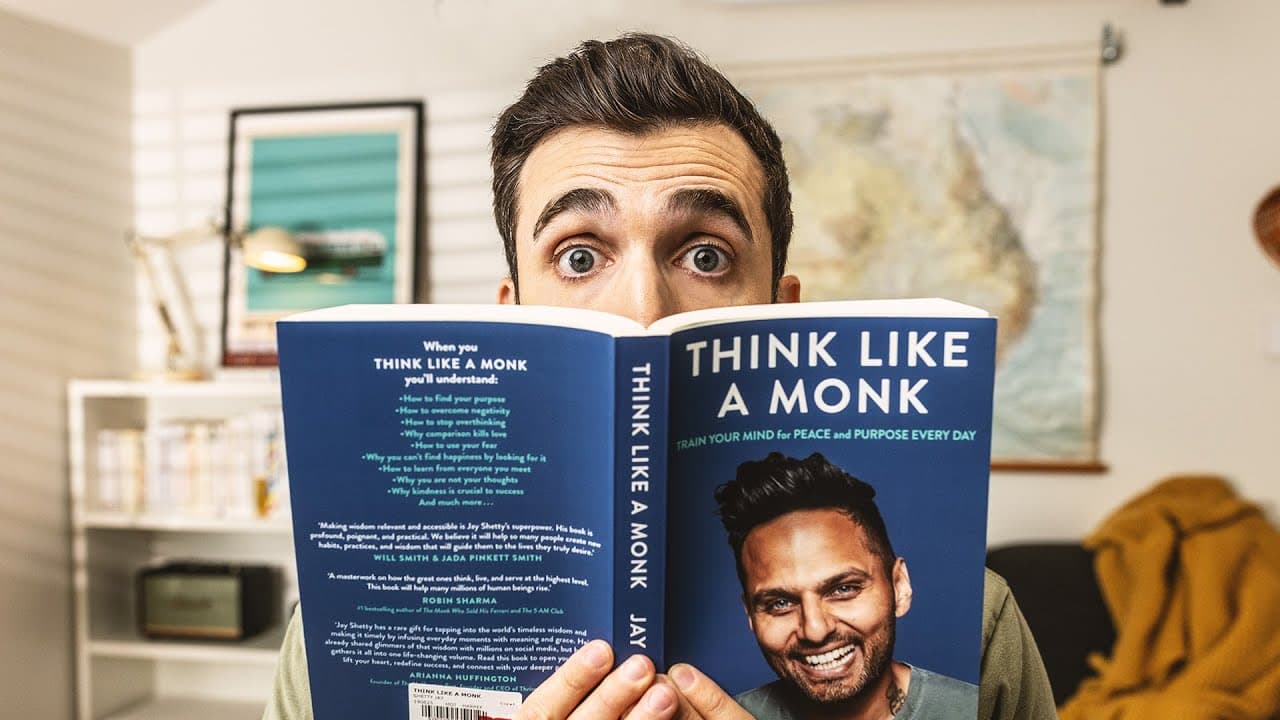
Key figures like Mel Robbins, Jay Shetty, and Dr. Joe Dispenza are discussed as examples of how self-help gurus use these tactics. The video questions the balance between genuine help and manipulation, urging viewers to critically assess the intentions and methods of self-help figures.
Read in Other Languages (beta)
Share This Summary 📚
Summarize YouTube Videos and Get Video Transcripts with 1-Click
Try YouTube Summary with ChatGPT & Claude or YouTube Transcript Generator
Explore More Summaries from Matt D'Avella 📚






Summarize YouTube Videos and Get Video Transcripts with 1-Click
Try YouTube Summary with ChatGPT & Claude or YouTube Transcript Generator