How to understand people who go quiet when hurt
TL;DR
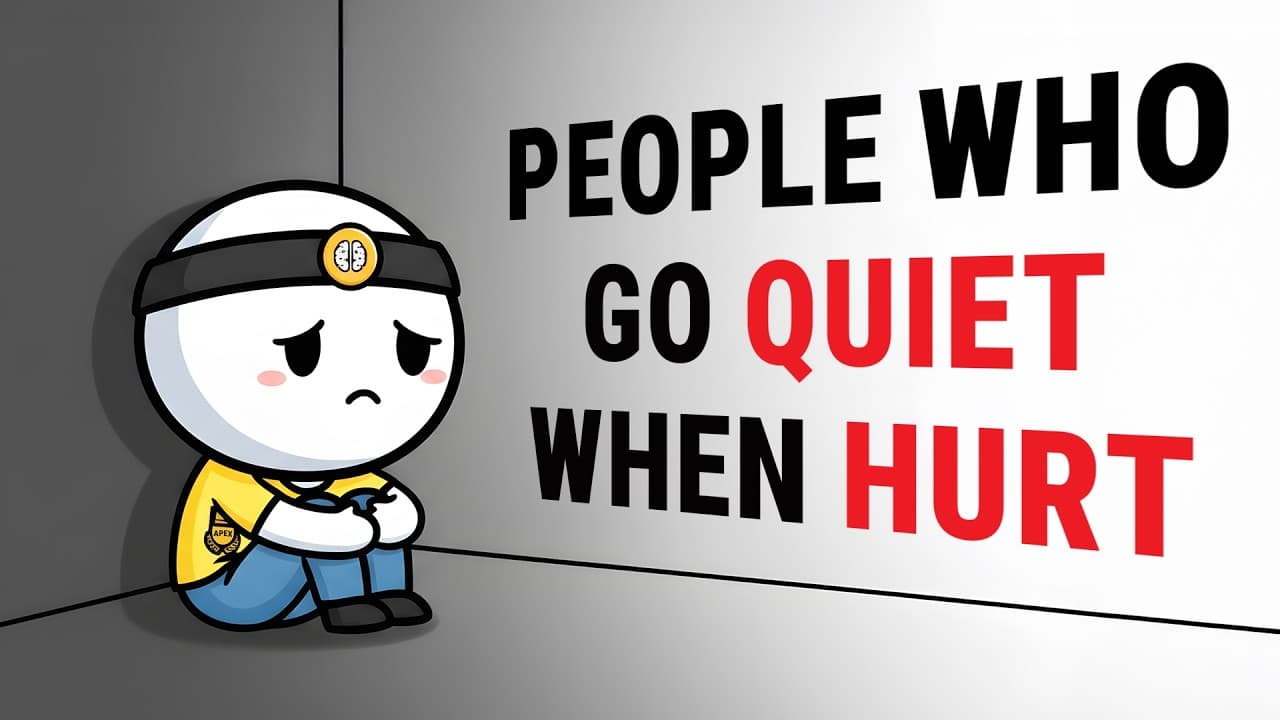
Silence during hurt is a protective nervous system response, not avoidance. When overwhelmed, the brain shifts into a freeze state, making language hard to access. Space and nonjudgmental support help them re-engage when they’re ready, reducing the risk of escalation and self-protection turning into distance.
Transcript
There's a hidden truth about the psychology of people who go quiet when they're hurt, and almost all of us get it wrong. When they're in pain, they don't cry. They don't argue. They don't say a word. Most of the time they respond with two familiar words, "I'm fine." But deep down, what that really means is, "Please, just leave me alone." Out of hab... Read More
Key Insights
- Silence is not empty but an active internal process where thousands of thoughts collide, making speech difficult.
- The nervous system uses three levels during threat: social engagement, fight or flight, and dorsal vagal shutdown, with shutdown representing a freeze response.
- Childhood wounds can shape how adults handle pain, teaching them to swallow tears to avoid abandonment.
- Toxic relationship history can train the nervous system to protect itself by shutting down verbal expression.
- Brain wiring matters, as some people are internal processors who need time to sort information before speaking.
- The window of tolerance concept explains why silence rises when emotional overload pushes people beyond their comfort zone.
- DMN overactivation during hurt reflects an ongoing internal analysis rather than disengagement from the situation.
- Pressuring someone to speak when they are in a freeze state can worsen the shutdown and harm the relationship.
Install to Summarize YouTube Videos and Get Transcripts
Explore YouTube Video Summarizer or Get YouTube Transcript Extractor
Questions & Answers
Q: How to recognize that silence is a protective response rather than lack of care?
Silence often signals an overwhelmed nervous system protecting the person from further harm. It is not a lack of care but a temporary state where the brain prevents words from coming out. Recognizing this helps you respond with space, patience, and non judgment, which may allow the person to re engage when ready.
Q: What are the three levels of the nervous system described in the video
The three levels are social engagement, fight or flight, and dorsal vagal shutdown. In calm moments we use social engagement to communicate. When stress rises, fight or flight may trigger arguing or avoidance. If pain is overwhelming, the system can switch to dorsal vagal shutdown, causing freezing and silence.
Q: How can childhood experiences influence adult responses to conflict?
Childhood experiences shape how pain is handled later in life. If crying or sadness was punished, the person may learn to swallow tears and retreat into silence as a way to avoid abandonment. This pattern can re emerge in adult relationships during conflicts, causing withdrawal instead of open dialogue.
Q: Why might pushing someone to talk worsen the situation?
Pushing to talk can feel like forcing a drowning person to sing, heightening the perception of danger and triggering deeper freeze. It can reinforce the belief that expressing emotions is unsafe, leading to further withdrawal and disconnect rather than genuine communication.
Q: What is the window of tolerance and how does it relate to silence?
The window of tolerance is the range where people can function and communicate normally. When hurt raises emotional overload, they may exit this window, causing internal overload and silence to protect themselves. Staying within or returning to the window helps conversations resume more safely.
Q: What role does the DMN play in silent responses?
The default mode network becomes overactive during silence, driving self reflection and future planning. This internal flood of questions and analyses can prevent verbal expression, making silence a busy cognitive process rather than a lack of thoughts or care.
Q: How can you support someone in silence without making them feel unsafe?
Offer space without pressure, acknowledge their need to process, and avoid judgment. Let them know you are available when they are ready to speak. This non defensive stance signals safety and can help the nervous system settle back within the window of tolerance.
Q: What is the practical takeaway for improving communication after hurt?
Give space, validate their experience, and avoid blaming language while they process. When they’re ready, invite a calm, slow dialogue that respects their processing speed. Consistent non judgment and emotional safety can rebuild trust and reduce the risk of future silent withdrawals.
Summary & Key Takeaways
-
A calm, receptive approach helps people who go quiet reconnect after an overload, reducing tension and rebuilding trust. Space and patient listening enable the nervous system to regulate and reenter dialogue without triggering defenses.
-
Understanding the three core causes of silence—childhood wounds, toxic relationship history, and brain wiring—provides a practical framework for validating a partner’s experience and choosing safe ways to communicate.
-
Providing a non-pressuring environment and avoiding pressure to speak while overwhelmed supports the relationship by preserving safety and encouraging honest, later conversations instead of pushing for immediate answers.
Read in Other Languages (beta)
Share This Summary 📚
Summarize YouTube Videos and Get Video Transcripts with 1-Click
Try YouTube Summary with ChatGPT & Claude or YouTube Transcript Generator
Explore More Summaries from Apex Psychology 📚






Summarize YouTube Videos and Get Video Transcripts with 1-Click
Try YouTube Summary with ChatGPT & Claude or YouTube Transcript Generator