How to Build Self Worth Without Self-Esteem Tricks
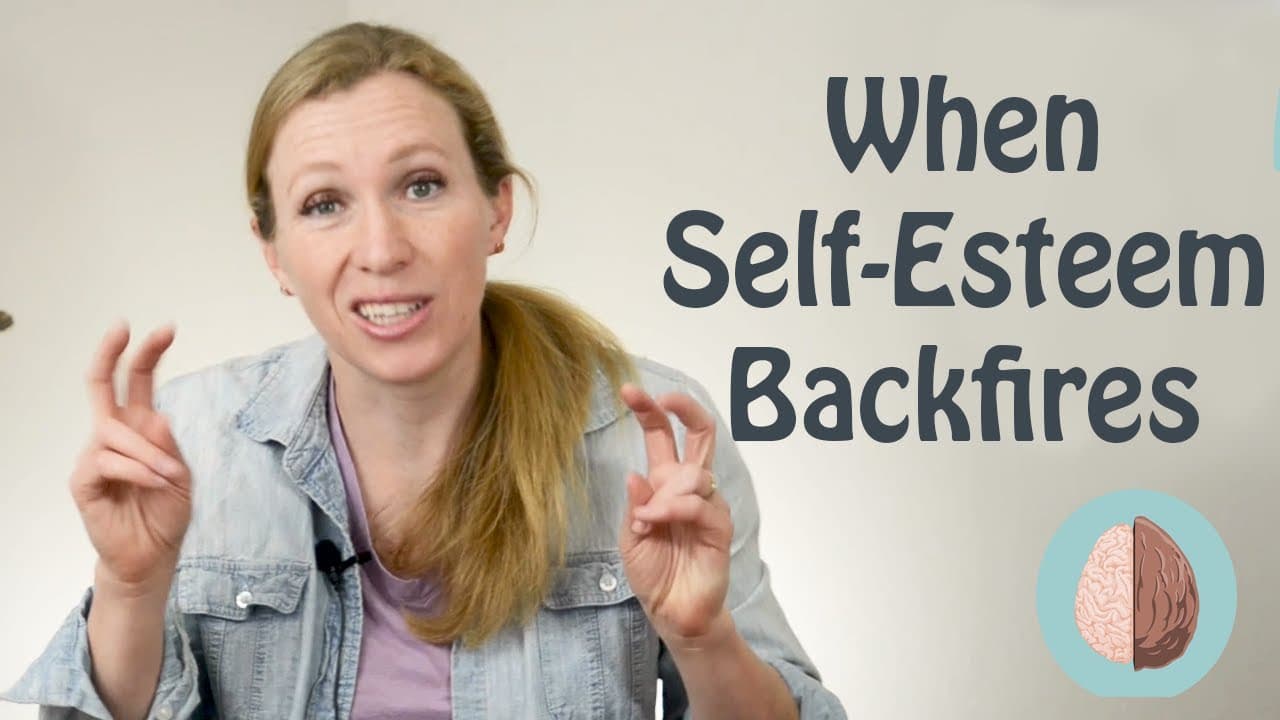
TL;DR
Self esteem can misfire when tied to appearance, popularity, comparison, or achievement. A value based approach using integrity and living by chosen values provides lasting self worth. Focus on internal guidance and align actions with personal values for peace and growth.
Transcript
Hi everyone I'm Emma McAdam, today we're going to talk about self-esteem. So self-esteem is important but a lot of people struggle to have a healthy sense of their own identity. The question, "Am I good enough?" seems to impact everyone myself included. I've been thinking about this a lot, especially since editing the video of me hiking with my gir... Read More
Key Insights
- Self worth is not dependent on changing external factors, it is a stable sense of inherent value.
- Appearance as a source of self esteem is fragile because beauty standards change and time passes.
- Popularity can undermine self worth because it depends on others approval, which is unpredictable.
- Relying on comparison for self esteem creates enmity and a lose-lose dynamic.
- Achievement based self esteem ties value to outcomes outside control, fueling perfectionism and dissatisfaction.
- Perfectionism harms growth by treating mistakes as failures rather than learning steps.
- The recommended alternative is value based self esteem, built on acting in line with personal values.
- True self esteem grows from keeping promises to oneself and living with integrity.
Install to Summarize YouTube Videos and Get Transcripts
Explore YouTube Video Summarizer or Get YouTube Transcript Extractor
Questions & Answers
Q: What are the four sources of false self esteem discussed
The four sources of false self esteem discussed are appearance, popularity, comparison, and achievement. Appearance refers to valuing oneself for looks or fitting beauty standards, which can let a person down as they age or circumstances change. Popularity makes worth depend on others opinions, which are uncertain. Comparison compares oneself to others, creating enmity and a lose-lose situation. Achievement ties worth to what is accomplished, which can be affected by circumstances beyond control and fuels perfectionism.
Q: Why is basing self worth on appearance problematic
Basing self worth on appearance is problematic because external appearance changes and we cannot rely on constant validation from others. The speaker notes that worth should be more than outside appearance since true value is not tied to how one looks, how others judge them, or the clothes they wear. Relying on appearance gives away personal power to others and leaves people vulnerable to feeling unworthy when beauty fades.
Q: How does popularity affect self esteem according to the video
Popularity affects self esteem by tying worth to others opinions, which are fickle and change over time. When worth depends on approval, a person becomes uncertain and anxious because there will always be someone who disagrees or mistreats them. The speaker suggests using others opinions as information, not as the decisive factor of self worth, to maintain a stable sense of value.
Q: What is the risk of using achievement as the sole source of self esteem
Using achievement as the sole source of self esteem risks valuing oneself only when goals are met, which is unstable and often out of reach due to external factors. This can lead to unhappiness, rush, and burnout, and it tends to promote perfectionism. The speaker argues that worth is not determined by accomplishments and highlights that failures or mistakes do not define overall value.
Q: What alternative approach does the speaker advocate for self esteem
The speaker advocates a value based self esteem, where worth comes from living in line with chosen values. By identifying core values such as kindness, hard work, or creativity and acting according to them, a person gains internal locus of control and a steadier sense of self. Keeping promises to oneself and aligning actions with values fosters peace and personal fulfillment.
Q: What does true self esteem depend on, according to Lowell Bennion
According to Lowell Bennion, true self esteem comes when we keep the promises we make to ourselves. This means trusting that we will act in ways that reflect our values and striving for ongoing personal growth. It emphasizes process over perfection, and helps maintain a sense of worth even when mistakes occur.
Q: How should one handle mistakes in the value based framework
In a value based framework, mistakes are opportunities to reorient toward values rather than reasons to feel worthless. If one yells at their kids or behaves contrary to their values, they can remind themselves of the value of kindness and commit to trying again tomorrow. This keeps self esteem anchored in integrity and ongoing improvement.
Q: What is the role of goals versus values in this framework
The role of goals versus values is that values provide direction and guide behavior, while goals are concrete milestones. Living by values makes it more likely to achieve goals while maintaining inner peace. If goals are pursued without values, actions may become rushed or self centered, reducing fulfillment and connection.
Summary & Key Takeaways
-
Self esteem often relies on appearance, popularity, comparison, or achievement, which tend to disappoint over time.
-
A better approach is to identify core values and assess progress by how closely actions align with them, not by external validation.
-
Live by values to gain inner peace, resilience, and a clearer sense of self, even when mistakes occur.
Read in Other Languages (beta)
Share This Summary 📚
Summarize YouTube Videos and Get Video Transcripts with 1-Click
Try YouTube Summary with ChatGPT & Claude or YouTube Transcript Generator
Explore More Summaries from Therapy in a Nutshell 📚






Summarize YouTube Videos and Get Video Transcripts with 1-Click
Try YouTube Summary with ChatGPT & Claude or YouTube Transcript Generator