What Drives Russian Imperialism and Its Impact on Ukraine?
TL;DR
Russian imperialism is driven by uniqueness, defensive expansion, opportunism, and hierarchical incorporation of elites, which can be understood through comparisons with British imperialism in Ireland and French imperialism in Algeria. Current imperial ambitions in Ukraine echo these patterns and are likely to result in decolonization, highlighting the essential need for Russia to reckon with its past and address its national identity.
Transcript
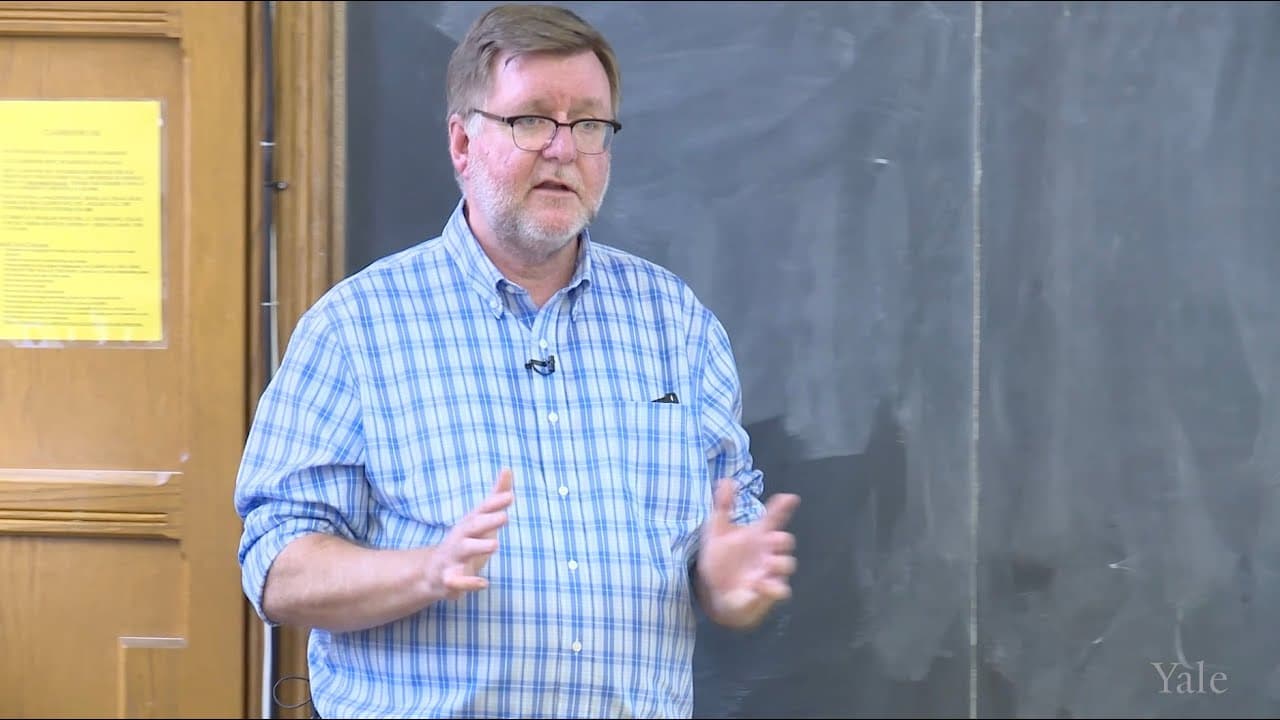
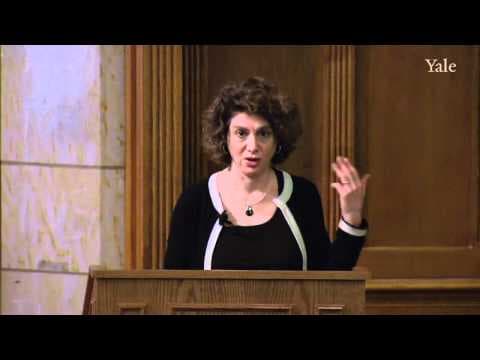
(electronic music) - Good afternoon, everybody. Happy Tuesday. Today's one of those days in which our biweekly lecture is going to be delivered by a guest. And our guest lecturer is Professor Arne Westad. Arne Westad studied history, philosophy, and modern languages at the University of Oslo before doing a graduate degree in U.S. and international ... Read More
Key Insights
- 🪛 Russian imperialism had unique drivers, including a sense of authenticity, expansion as defense, opportunism, hierarchy, and settlement.
- 🍉 The experiences of Britain in Ireland and France in Algeria provide parallels in terms of colonization, exploitation, and cultural hegemony.
- 🍝 Russia's current imperial ambitions in Ukraine will likely result in decolonization, but a reckoning with the past and addressing identity issues are crucial for the country's future.
Install to Summarize YouTube Videos and Get Transcripts
Explore YouTube Video Summarizer or Get YouTube Transcript Extractor
Questions & Answers
Q: How did Russian imperialism differ from other empires in terms of incorporating non-Russian elites?
Russian imperialism emphasized hierarchical incorporation of non-Russian elites into the empire. Many non-Russians, such as Poles, Germans, and Belarusians, served as bureaucrats and officials in the Russian Empire. This allowed for a unique form of representation and authenticity that other empires did not possess.
Q: Was there any conflict between Russia's sense of authenticity as an empire and the presence of non-Russian servants of imperialism?
While there may have been some tension between the idea of Russian authenticity and the presence of non-Russian elites, the focus on imperial institutions and the representation of a larger idea allowed for a degree of unity. Non-Russian elites were incorporated into the empire, serving the imperial project and the interests of the state.
Q: Do you believe Russia will have a reckoning with its imperial past and a change in regime?
While it is difficult to predict the future, a reckoning with the past and potential regime change are crucial for Russia. Addressing the effects of empire and understanding the motivations behind it can help Russians grapple with their identity and move towards a more inclusive and democratic society.
Summary & Key Takeaways
-
Professor Arne Westad explores the drivers of Russian imperialism, such as uniqueness, defense-driven expansion, opportunism, hierarchy, and settlement.
-
He compares Russia's imperial history to the experiences of Britain in Ireland and France in Algeria, highlighting similarities in colonization, exploitation, and cultural hegemony.
-
Westad argues that Russia's current imperial ambitions in Ukraine will likely lead to decolonization, but emphasizes the need for Russia to reckon with its past and address issues of identity.
Read in Other Languages (beta)
Share This Summary 📚
Summarize YouTube Videos and Get Video Transcripts with 1-Click
Try YouTube Summary with ChatGPT & Claude or YouTube Transcript Generator
Explore More Summaries from YaleCourses 📚


Summarize YouTube Videos and Get Video Transcripts with 1-Click
Try YouTube Summary with ChatGPT & Claude or YouTube Transcript Generator