How close are AI humanoid robots to real autonomy
TL;DR
Autonomy in current humanoid demos is limited by teleoperation and staged edits, not true on device AI. Real robots still rely on human input and scripted adjustments, so true general purpose autonomy is not yet realized. An eight gate checklist defines what would be needed for genuine autonomous operation.
Transcript
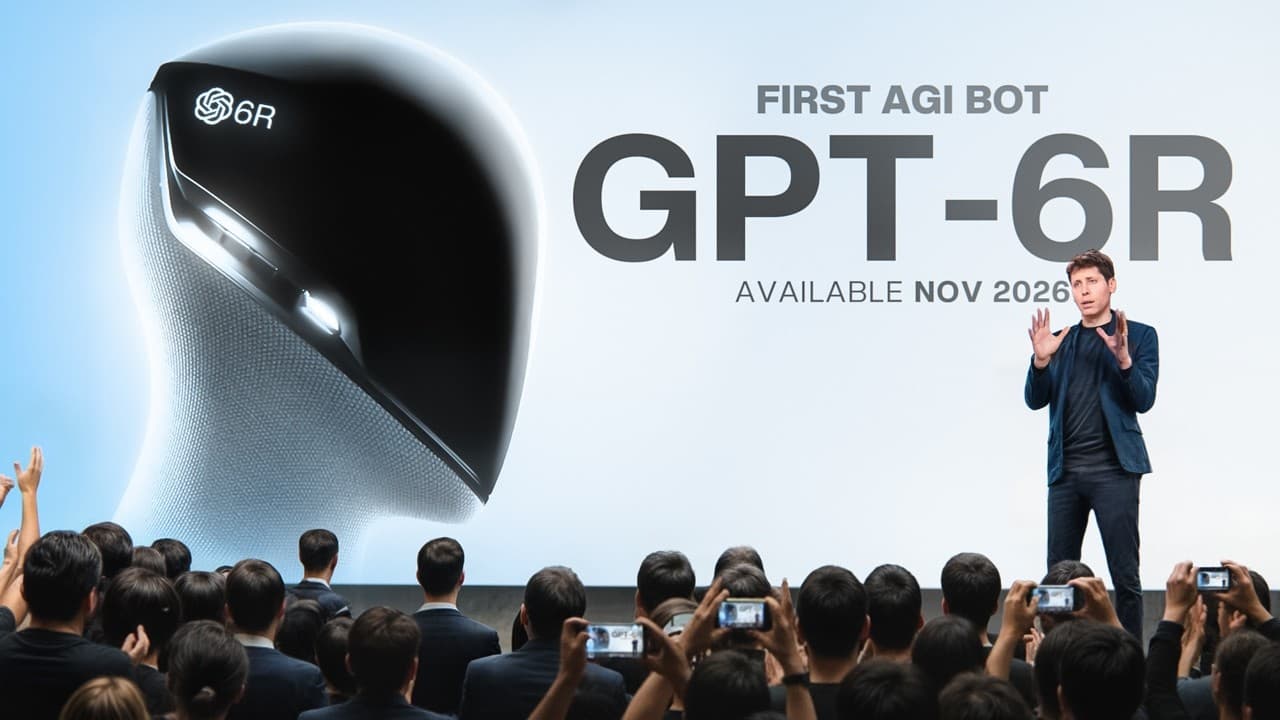
The world's first truly autonomous humanoid robot powered by the latest AI breakthroughs. ready for your home in 2026. So, this is the moment when OpenAI drops GBT 6R, the world's first truly autonomous humanoid robot, powered by the same intelligence that runs CHAG GPT. And today I'm going to show you exactly how to spot the difference between an ... Read More
Key Insights
- Autonomy in live robot demos is often limited by human operators and teleoperation, not on board AI.
- Demos frequently use edited footage to hide failures or delays, signaling non autonomous operation.
- An eight gate autonomy checklist is proposed as the standard for real autonomous humanoids.
- Teleoperation can involve real time control from remote operators through VR interfaces, undermining true autonomy.
- Camera cuts, latency mismatches, and visible hardware are common markers of non autonomous demos.
- Some robots are marketed as autonomous but rely on offboard processing or external control during demonstrations.
- True autonomy would require robust perception, real time decision making, and reliable manipulation in diverse environments.
- The video stresses that current robots perform best in controlled settings like warehouses rather than kitchens or homes.
- More videos from this channel:
- More from this channel: AI Master
Install to Summarize YouTube Videos and Get Transcripts
Explore YouTube Video Summarizer or Get YouTube Transcript Extractor
Questions & Answers
Q: What is the main claim about GPT 6R and similar robots in this video
The video claims that GPT 6R and similar humanoid robots are not truly autonomous in the sense of operating without human oversight. It argues that demonstrations rely on teleoperation, edited footage, and occasional resets, creating a hype cycle rather than a proven autonomous capability. It also discusses how this mirrors other launches and the risks of assuming full autonomy from demos.
Q: How can you tell a demo is teleoperated
Signs of teleoperation include rapid, flawless responses that imply a human operator, visible cameras or VR setups, and minimal latency or processing delays. The video notes that long takes and immediate, non delayed responses without processing time suggest a remote control, and notable camera movement aligns with operator guidance rather than autonomous navigation.
Q: What is the eight gate autonomy checklist
The eight gate autonomy checklist outlines the essential capabilities for a robot to be considered truly autonomous. It covers perception with 360 degree vision, depth sensing, object recognition under varied lighting, and occlusion handling; it also includes tracking moving targets, distinguishing similar objects, robust manipulation, real time decision making, and reliable on device processing without human input.
Q: Where do current robots actually work well according to the video
According to the video, current robots perform well in controlled, structured environments such as warehouses and logistics settings. They are demonstrated handling specific tasks within known workflows, but struggle with free form home environment tasks like kitchen chores due to perception and manipulation challenges.
Q: What is the main risk of remote operator driven robots for home use
The main risk is a security and privacy concern where video data is streamed to servers for operation and training. The video highlights that remote operators may watch living spaces 24/7, creating potential for misuse or data breaches, and questions whether this should be the model for home assistants.
Q: Why does the video compare marketing hype to actual capabilities
The video draws a parallel between hype and actual capabilities to warn viewers that flashy demos can obscure significant limitations. It argues that marketing often promises autonomous performance while the underlying systems rely on human intervention, careful editing, and constrained operating conditions rather than fully autonomous AI.
Q: What would constitute a real autonomous humanoid in the near term
A real autonomous humanoid would meet the eight gate checklist without relying on human operators, have on device computation, reliable perception in varied environments, robust planning, and manipulation. It would perform tasks in homes without needing continual teleoperation, and show failures and recoveries as part of natural operation rather than scripted success.
Q: What timeline does the video suggest for true general purpose robots
The video suggests that true general purpose humanoid robots are not near term and emphasizes substantial engineering and safety hurdles. It calls for cautious forecasting and indicates that observed demos are unlikely to translate to immediate widespread adoption in home settings, urging a grounded view of progress rather than hype.
Summary & Key Takeaways
-
The video argues that current humanoid robot demos rely on teleoperation and edited footage to appear autonomous, with true on board autonomy lacking in real world tasks. It emphasizes that several high profile demos used human operators or offboard systems to accomplish tasks, creating a misleading impression of full autonomy.
-
The assessment introduces an eight point autonomy checklist and explains that nothing shown so far meets all criteria for true AGI robot. It also notes that many robots work best in controlled environments like warehouses, not kitchens, and that true autonomy would require advances across perception, planning, and manipulation.
-
The video concludes with a cautious timeline for true general purpose humanoid robots, suggesting significant engineering and safety hurdles remain before robots can operate independently in home settings.
Read in Other Languages (beta)
Share This Summary 📚
Summarize YouTube Videos and Get Video Transcripts with 1-Click
Try YouTube Summary with ChatGPT & Claude or YouTube Transcript Generator
Explore More Summaries from AI Master 📚



Summarize YouTube Videos and Get Video Transcripts with 1-Click
Try YouTube Summary with ChatGPT & Claude or YouTube Transcript Generator