What Are the New Features of GPT-5 AI?
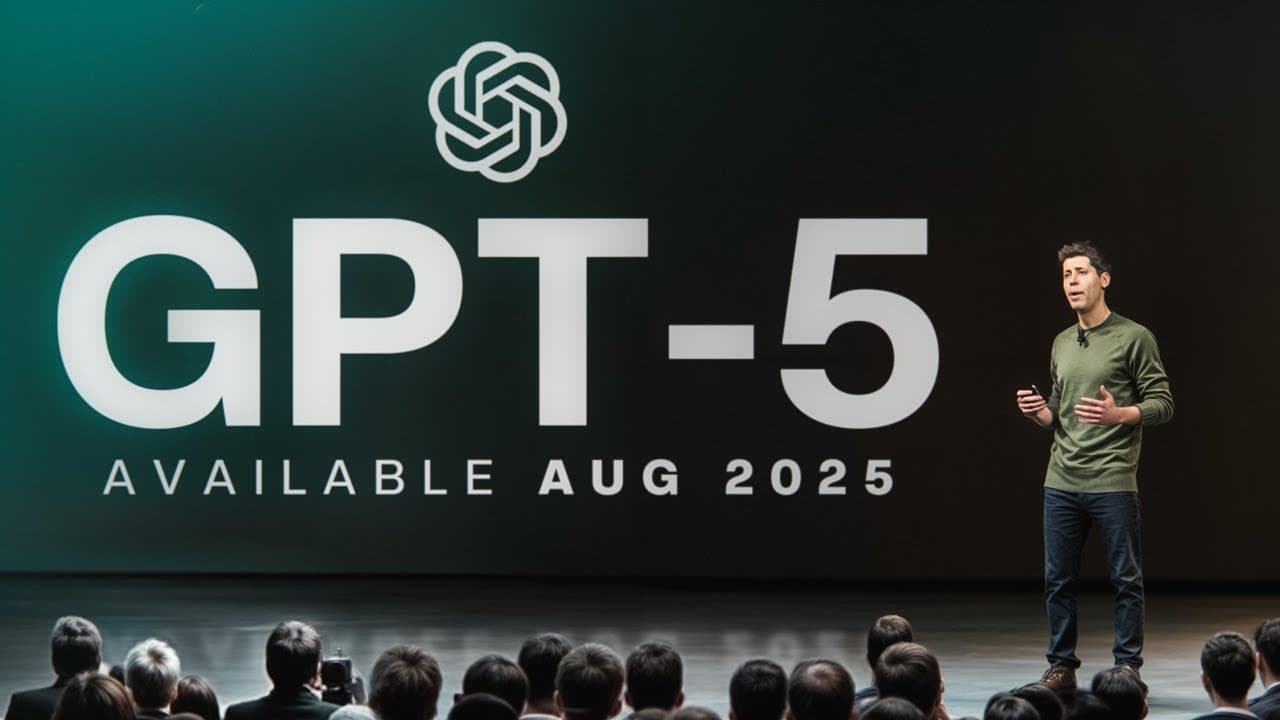
TL;DR
GPT-5 aims to unify fast and thoughtful AI models, integrating chain-of-thought reasoning for better problem-solving and creative tasks. It seeks to merge the extensive knowledge base of GPT-4.5 with advanced reasoning capabilities, potentially feeling closer to AGI. However, its development faces challenges like massive data requirements and engineering hurdles.
Transcript
Sam Alman teased the GBT 4.5 weeks before its public release. And then he promised to deliver the GBT in a few months from that and it's shaping up to be the biggest, grandest update we've ever seen. By the end of this video, you will know exactly what GBT5 will do differently, how it's going to change the way we all use Cad GBT, and most important... Read More
Key Insights
- GPT-5 will unify fast and thoughtful AI models, integrating advanced reasoning with a broad knowledge base.
- Chain-of-thought reasoning in GPT-5 could revolutionize creative writing and complex problem-solving.
- GPT-5 development faces challenges such as massive data requirements and engineering hurdles.
- OpenAI aims to merge O series and GPT series models into one unified intelligence with GPT-5.
- GPT-5 will include advanced multimodal capabilities, handling text, images, audio, and possibly video.
- Persistent memory in GPT-5 will allow it to remember user-specific details for personalized interactions.
- GPT-5's architecture might involve a mixture of experts, significantly increasing its parameter count.
- Despite challenges, GPT-5 is expected to launch in mid-2025, potentially redefining AI capabilities.
Install to Summarize YouTube Videos and Get Transcripts
Explore YouTube Video Summarizer or Get YouTube Transcript Extractor
Questions & Answers
Q: What are the key features of GPT-5?
GPT-5 will unify fast and thoughtful AI models, integrating chain-of-thought reasoning for better problem-solving and creativity. It will merge the extensive knowledge base of GPT-4.5 with advanced reasoning capabilities, handle multimodal inputs like text, images, and audio, and include persistent memory for personalized interactions.
Q: How does GPT-5 differ from GPT-4.5?
GPT-5 differs from GPT-4.5 by integrating chain-of-thought reasoning, enabling more thoughtful and complex problem-solving. It aims to unify the O series and GPT series models, offering a broader range of capabilities and a more seamless AI experience, potentially feeling closer to AGI.
Q: What challenges does OpenAI face in developing GPT-5?
OpenAI faces challenges in developing GPT-5, including massive data requirements and engineering hurdles. The development process has encountered setbacks, such as insufficient data diversity and slow training runs, requiring innovative solutions and additional resources to overcome these obstacles.
Q: When is GPT-5 expected to be released?
GPT-5 is expected to be released in mid-2025. Although initially anticipated for late 2024, development challenges have delayed its launch. OpenAI aims to address these issues to ensure GPT-5 meets its ambitious goals, potentially redefining AI capabilities upon release.
Q: What is chain-of-thought reasoning in GPT-5?
Chain-of-thought reasoning in GPT-5 refers to its ability to perform step-by-step logical reasoning, akin to taking notes before providing an answer. This approach enhances problem-solving and creativity, allowing GPT-5 to tackle complex tasks more effectively than previous models.
Q: Will GPT-5 be capable of handling multimodal inputs?
Yes, GPT-5 will handle multimodal inputs, including text, images, and audio, with potential support for video. This capability allows users to interact with the AI using various formats, enhancing its versatility and making it a more comprehensive tool for diverse tasks.
Q: How will GPT-5's persistent memory work?
GPT-5's persistent memory will enable it to remember user-specific details across sessions, allowing for personalized interactions. For example, it might recall a user's preferences or past interactions, tailoring responses to provide a more customized and engaging experience.
Q: What is the significance of GPT-5's architecture?
GPT-5's architecture may involve a mixture of experts, significantly increasing its parameter count and enhancing its capabilities. This design allows for specialized mini models within the AI, potentially pushing its intelligence and adaptability to new levels, making it a groundbreaking development in AI technology.
Summary & Key Takeaways
-
GPT-5 is set to merge fast and thoughtful AI models, integrating chain-of-thought reasoning for enhanced problem-solving and creativity. This new model will unify the O series and GPT series, aiming for a more seamless and intelligent AI experience.
-
Facing significant challenges, GPT-5's development requires massive data and innovative engineering solutions. OpenAI is working to overcome these hurdles, with a potential release in mid-2025, promising a model closer to AGI than ever before.
-
Advanced multimodal capabilities in GPT-5 will allow it to handle various inputs like text, images, and audio, with potential video support. Persistent memory will enable personalized interactions, making GPT-5 a versatile and intelligent assistant.
Read in Other Languages (beta)
Share This Summary 📚
Summarize YouTube Videos and Get Video Transcripts with 1-Click
Try YouTube Summary with ChatGPT & Claude or YouTube Transcript Generator
Explore More Summaries from AI Master 📚





Summarize YouTube Videos and Get Video Transcripts with 1-Click
Try YouTube Summary with ChatGPT & Claude or YouTube Transcript Generator