Why Is Elon Musk's Thermonuclear Lawsuit Against Media Matters Not a Defamation Suit?
TL;DR
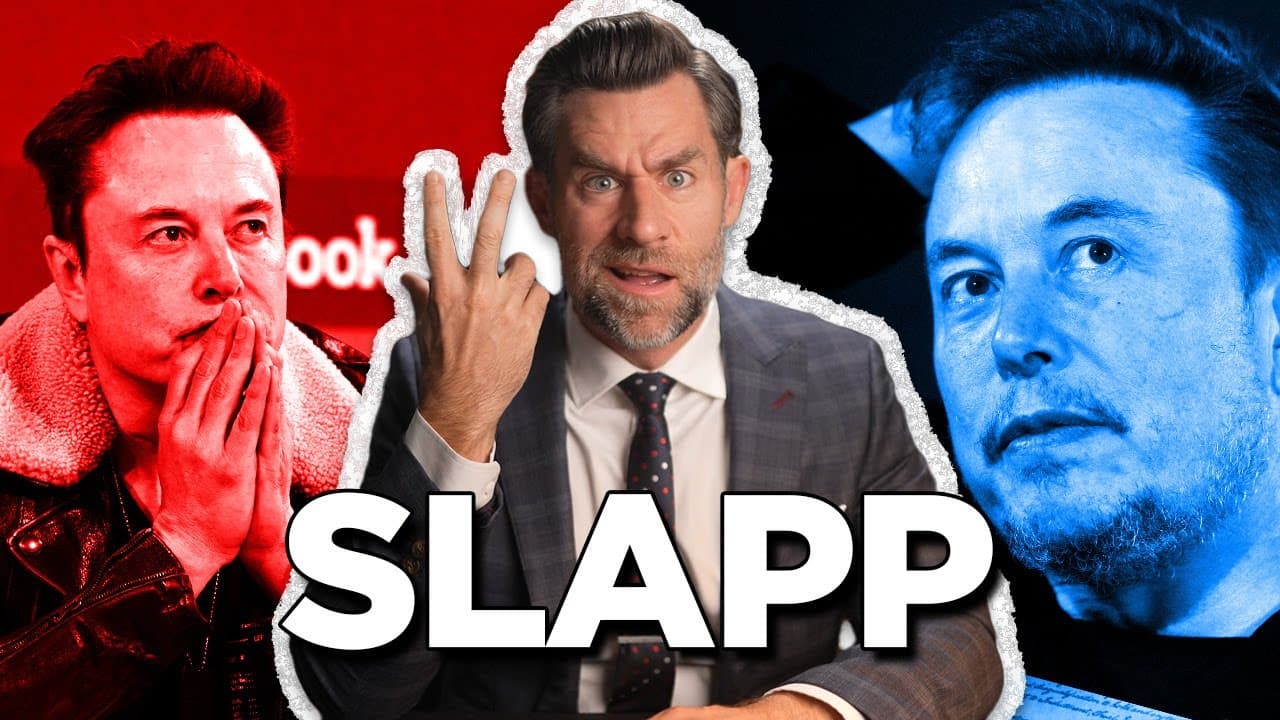
Elon Musk's thermonuclear lawsuit against Media Matters is not actually a defamation suit, according to the transcript, which calls it a sloppy SLAPP suit. The dispute followed a Media Matters report showing major-company advertisements beside pro-Nazi and other offensive posts on X, formerly Twitter. Read on for the lawsuit's context, the disputed ad placements, and the events that drove advertisers away.
Transcript
- Free speech warrior, Elon Musk, sues to stifle freedom of speech again. Elon Musk filed his thermonuclear defamation lawsuit against Media Matters after the media watchdog reported that advertisements could appear next to racist or offensive tweets. The problem is he forgot to sue for defamation, but that's just the tip of the iceberg of legal pr... Read More
Key Insights
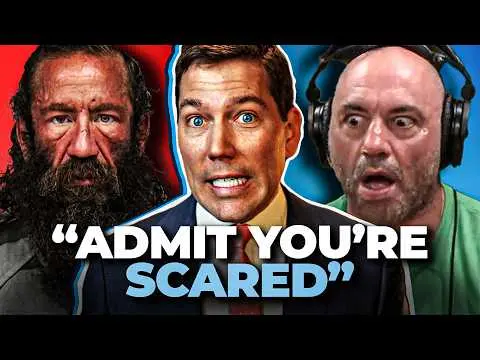
- "The problem is he forgot to sue for defamation, but that's just the tip of the iceberg of legal problems in his latest anti-free speech lawsuit." (0:13)
- "Corporations like General Mills and Volkswagen stopped their advertisements." (0:48)
- "As part of this study, the company created new Twitter accounts and apparently curated the interests of those accounts." (3:04)
- "Media Matters found ads for Apple, Bravo, Oracle, Xfinity, and IBM, next to posts that tout Hitler and his Nazi party on X." (3:18)
- "And yeah, it is the sloppiest SLAPP suit that you can possibly imagine." (4:36)
Install to Summarize YouTube Videos and Get Transcripts
Explore YouTube Video Summarizer or Get YouTube Transcript Extractor
Questions & Answers
Q: Why is Elon Musk's thermonuclear lawsuit against Media Matters described as a dud?
The transcript says the case is not a defamation suit, despite being widely described that way. It also calls the case the sloppiest SLAPP suit imaginable and says it contains numerous legal problems.
Q: What did Media Matters report about advertisements on X?
Media Matters reported that advertisements appeared alongside pro-Hitler, Holocaust denial, White nationalist, pro-violence, and neo-Nazi accounts. Its examples included advertisements from Apple, Bravo, Oracle, Xfinity, and IBM.
Q: How did Media Matters produce the disputed ad placements?
Media Matters created new Twitter accounts and apparently curated their interests. Musk did not deny that the ads appeared, according to the transcript, but argued that the accounts had an unusual set of interests that produced a rare algorithmic feed.
Q: What happened on November 15th, 2023?
Musk boosted a post associated in the transcript with White replacement theory and replied, "You have said the actual truth." The interaction prompted some advertisers to leave Twitter, at least temporarily.
Q: Did the Media Matters report alone cause advertisers to leave Twitter?
The transcript says Musk alleged that the Media Matters report was the real reason advertisers fled. It concludes that both the report and Musk's own post probably played a role.
Q: What content moderation changes did Elon Musk make after purchasing Twitter in 2022?
Musk promised to create a content moderation council but did not form it. He later granted general amnesty to suspended accounts, fired most employees tasked with monitoring hate speech, and dissolved the Trust and Safety Council formed in 2016.
Q: Which companies stopped advertising on Twitter after civil rights groups called for a pause?
The transcript specifically names General Mills and Volkswagen as companies that stopped their advertisements. The call for a pause came after Musk did not form the promised content moderation council.
Q: What does the transcript say about free speech rights on Twitter?
It says the First Amendment protects hate speech from government censorship, while private actors can make their own decisions about speech. Musk can post opinions and ban or unban users, while individuals, corporations, and advertisers can choose whether to participate on the platform.
Summary & Key Takeaways
-
Elon Musk sues Media Matters for defamation over ads next to offensive tweets on Twitter.
-
Media Matters manipulated Twitter to create false perceptions of ad placements next to offensive content.
-
Legal implications include business disparagement claims and challenges to free speech rights.
Read in Other Languages (beta)
Share This Summary 📚
Summarize YouTube Videos and Get Video Transcripts with 1-Click
Try YouTube Summary with ChatGPT & Claude or YouTube Transcript Generator
Explore More Summaries from LegalEagle 📚
Summarize YouTube Videos and Get Video Transcripts with 1-Click
Try YouTube Summary with ChatGPT & Claude or YouTube Transcript Generator