Why Did Trump Pardon Silk Road's Ross Ulbricht?
TL;DR
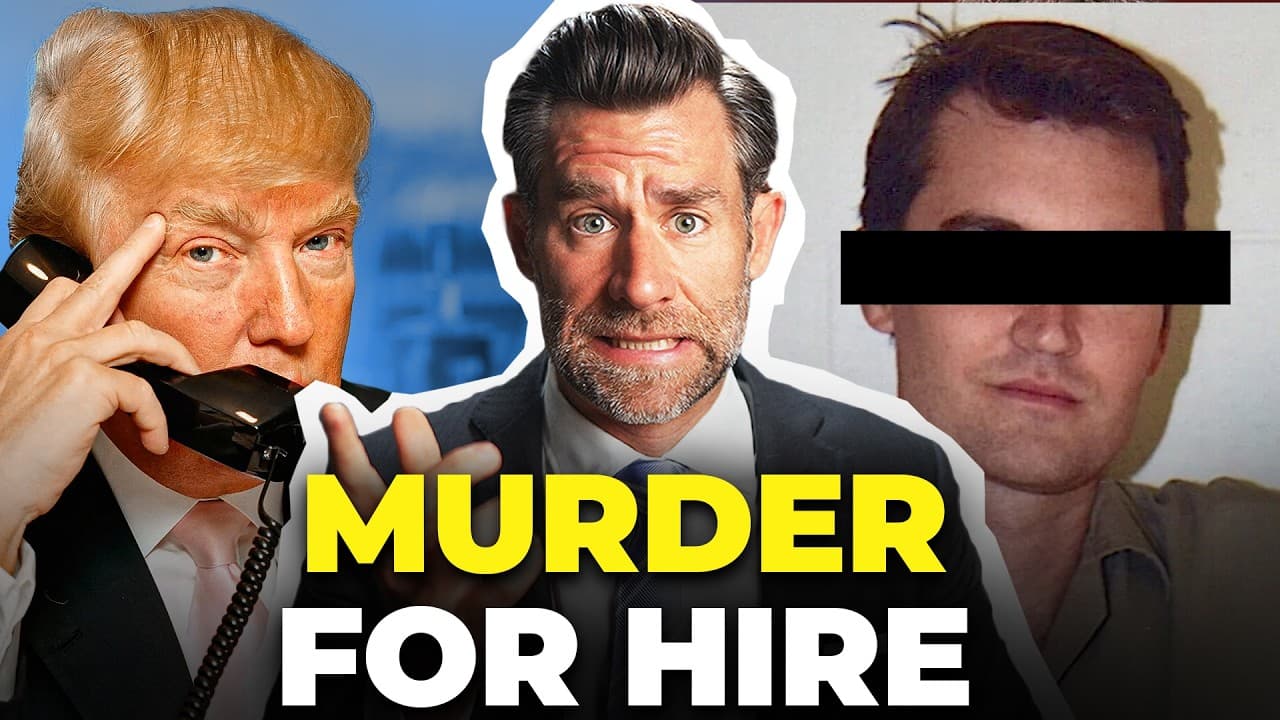
Ross Ulbricht, creator of the Silk Road, was pardoned by President Trump, sparking controversy. The Silk Road was a dark web marketplace for illegal drugs and other contraband. Ulbricht's pardon was seen as a political move to gain favor with libertarians, despite his involvement in serious criminal activities, including alleged murder-for-hire plots.
Transcript
(energetic music)
- Donald Trump pardoned Ross Ulbricht, the cause celebre of the Silk Road, known to many as the Walmart of illegal drugs. And it's no surprise that many are celebrating this as a victory for libertarianism. But that's strange, because what ultimately brought Ulbricht to justice was trying to murder a bunch of people, which is gene... Read More
Key Insights
- Ross Ulbricht was the creator of the Silk Road, a dark web marketplace for illegal goods.
- Ulbricht was sentenced to life in prison for his role in the Silk Road, which facilitated drug trafficking.
- President Trump pardoned Ulbricht, citing support from the libertarian movement.
- The pardon was controversial due to Ulbricht's involvement in serious crimes, including murder-for-hire plots.
- Ulbricht's defense claimed he had sold the Silk Road, but evidence showed he continued to run it.
- Federal agents involved in the case were implicated in corruption, complicating the investigation.
- The Silk Road's operation relied on Bitcoin and the Tor browser to maintain anonymity.
- Ulbricht's pardon was viewed as a political payoff rather than a reconsideration of his sentence.
Install to Summarize YouTube Videos and Get Transcripts
Explore YouTube Video Summarizer or Get YouTube Transcript Extractor
Questions & Answers
Q: How did Ross Ulbricht create the Silk Road?
Ross Ulbricht created the Silk Road as an anonymous online marketplace for illegal goods using the Tor browser and Bitcoin. This allowed users to buy and sell drugs and other contraband without revealing their identities. The site operated like a black market Amazon, with Ulbricht taking a commission on sales.
Q: Why was Ross Ulbricht sentenced to life in prison?
Ross Ulbricht was sentenced to life in prison for his role in creating and running the Silk Road, which facilitated massive illegal drug sales. He was convicted on charges including narcotics trafficking and money laundering. The court also considered evidence of murder-for-hire plots, which, although not charged, were deemed relevant conduct.
Q: What role did federal agents play in the Silk Road case?
Federal agents, including DEA Agent Carl Force and Secret Service Agent Shaun Bridges, were involved in the Silk Road investigation but were later implicated in corruption. They exploited their positions for personal gain, complicating the prosecution and raising questions about the integrity of the investigation.
Q: How did President Trump justify Ross Ulbricht's pardon?
President Trump justified Ross Ulbricht's pardon as a gesture to the libertarian movement, which had supported his presidential campaign. The pardon was controversial because it appeared to be a political payoff rather than a reconsideration of Ulbricht's severe sentence for serious crimes.
Q: What was the Silk Road's impact on drug trafficking?
The Silk Road significantly impacted drug trafficking by providing a platform for anonymous online transactions. It facilitated over $1.2 billion in sales of illegal drugs and other contraband, using Bitcoin for payments and the Tor browser for anonymity, making it one of the most notorious online black markets.
Q: What evidence led to Ross Ulbricht's conviction?
Evidence leading to Ross Ulbricht's conviction included his control over the Silk Road, his communications under the pseudonym 'Dread Pirate Roberts,' and digital records linking him to the site's operations. Federal agents tracked his activities, and his own carelessness, such as using his real email, contributed to his capture.
Q: What were the consequences of the Silk Road's exposure?
The exposure of the Silk Road led to increased law enforcement scrutiny, culminating in Ulbricht's arrest and conviction. It highlighted the challenges of policing the dark web and the complicity of some federal agents in corrupt activities, ultimately leading to significant legal and ethical debates.
Q: How did the libertarian movement view Ross Ulbricht?
The libertarian movement viewed Ross Ulbricht as a pioneer who challenged government control and advocated for individual freedom. Despite his criminal activities, many libertarians saw his creation of the Silk Road as a bold experiment in free-market economics, leading to continued support for his release.
Summary & Key Takeaways
-
Ross Ulbricht created the Silk Road, a dark web marketplace for illegal drugs, leading to his life sentence in prison. His pardon by President Trump was seen as a political move to gain libertarian support, despite Ulbricht's involvement in serious crimes, including alleged murder-for-hire plots.
-
The Silk Road operated using Bitcoin and the Tor browser, allowing users to anonymously buy and sell illegal goods. Ulbricht's defense claimed he had sold the site, but evidence showed he was still in control, leading to his conviction on multiple charges.
-
Federal agents involved in the Silk Road investigation were implicated in corruption, complicating the case. Despite the controversy, Ulbricht's pardon was justified by Trump as a gesture to the libertarian movement, raising questions about the use of presidential pardons.
Read in Other Languages (beta)
Share This Summary 📚
Summarize YouTube Videos and Get Video Transcripts with 1-Click
Try YouTube Summary with ChatGPT & Claude or YouTube Transcript Generator
Explore More Summaries from LegalEagle 📚



Summarize YouTube Videos and Get Video Transcripts with 1-Click
Try YouTube Summary with ChatGPT & Claude or YouTube Transcript Generator