What Makes China’s Micro Dramas Catch US Viewers?
TL;DR
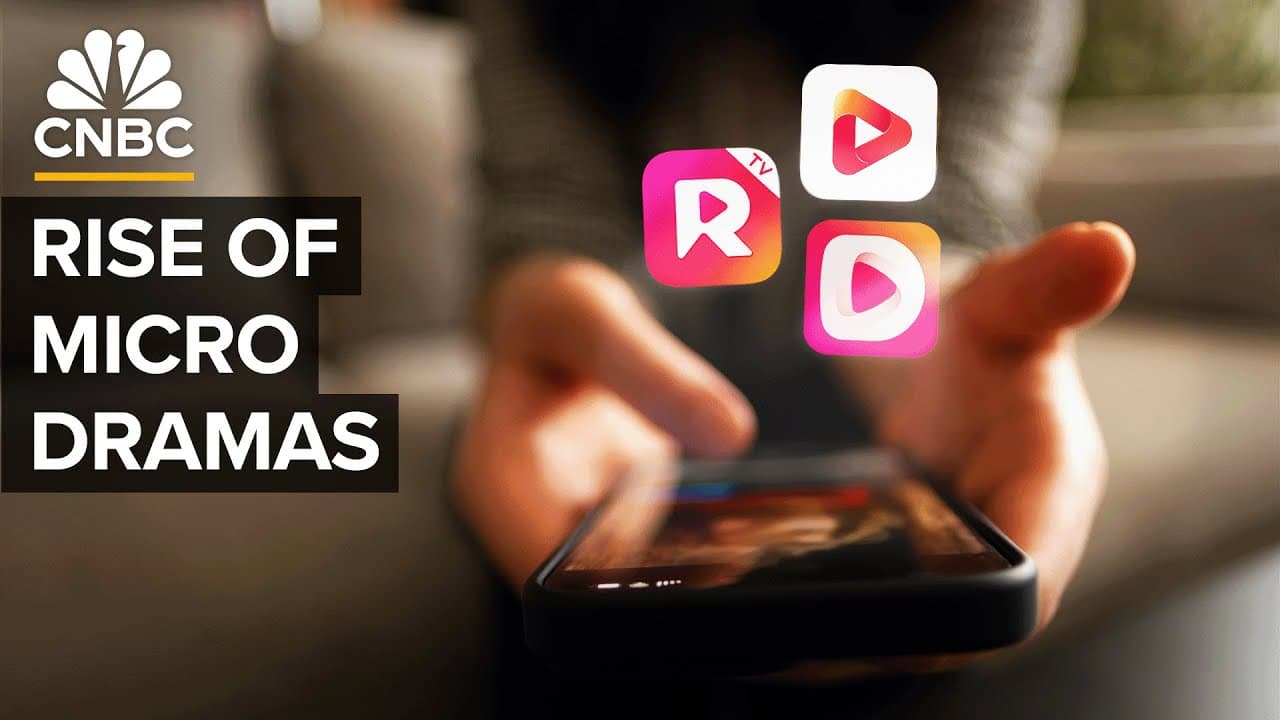
Micro dramas in China use short, punchy, high pace storytelling to grab attention quickly. They are cheap to produce and highly scalable, designed for snack sized viewing on vertical screens. The rise is reshaping how distributors think about audience reach and monetization in the US.
Transcript
"I only owe my success to that secret CEO of Kings Corp." "You will be groveling at my feet for forgiveness when you realize who I really am then." Spoiler alert: that man earning a meager wage does, in fact, turn out to be the secret CEO of Kings Corp. This is one of the micro dramas featured on ReelShort, a Chinese-backed short video app. "I... Read More
Key Insights
- China’s micro dramas rely on ultra short formats to grab attention within the first seconds and keep viewers engaged for 90 seconds to 2 minutes.
- The model is low cost, fast to produce, and scalable, allowing studios to release a high volume of shows per year with unknown actors.
- Vertical, bite sized storytelling fits fragmented time pockets and appeals to audiences with short attention spans, creating a new niche for content consumption.
- Western platforms have to adapt by adding vertical video experiences similar to Shorts and Reels to retain eyeballs.
- US downloads of micro drama apps surged due to the novelty and potential for high engagement, making the US a key growth market for these apps.
- Industry experts view micro dramas as complementary to Netflix and traditional media rather than direct competition, influencing future content strategy and partnerships.
- Micro dramas leverage data driven marketing to target a specific demographic, often women aged 25 to 35, to optimize reach and monetization.
- The rise of micro dramas may force Hollywood and streaming platforms to rethink IP utilization and cross platform collaborations, integrating micro content with long form projects.
- More videos from this channel:
- More from this channel: CNBC
Install to Summarize YouTube Videos and Get Transcripts
Explore YouTube Video Summarizer or Get YouTube Transcript Extractor
Questions & Answers
Q: A real search query question about the video (e.g. 'How to...', 'What is...', 'Why does...').
What is driving the rise of micro dramas from China in 2024 and 2025, and why might the US market be a smart target for this format? Micro dramas grew rapidly due to a low production cost, fast production cycles, and the ability to capture attention with high pace storytelling in 90 seconds to 2 minutes. They leverage vertical, snack sized viewing that suits short attention spans and fragmented time. In the US, downloads and active users rose as audiences seek quick, engaging content, making the market attractive for monetization and partnerships. The trend is viewed as complementary to traditional long form content rather than a direct replacement.
Q: Why do micro dramas use unknown actors and low-cost production?
Micro dramas primarily use unknown actors and low-cost production to maximize volume and speed. The format prioritizes fast hooks and concise storytelling over star power or high production value. This approach reduces upfront risk and budget while allowing studios to churn 8 to 10 shows a month and aim for 100 originals per year. It also enables experimentation with genres and storylines that appeal to targeted demographics.
Q: How do micro dramas differ from traditional TV or Netflix series?
Micro dramas differ from traditional TV and Netflix series in length, pacing, and production philosophy. They are short, often under two minutes, and rely on immediate engagement rather than sustained narrative development. They focus on fast, cliffhanger driven storytelling and vertical formats, whereas traditional long form shows emphasize set design, cast, and broad production budgets. The aim is to capture and retain attention in a few seconds.
Q: What demographic are micro dramas most effectively marketed to?
The strongest marketing focus for micro dramas targets women aged 25 to 35, leveraging data driven insights to optimize content and marketing messages. This demographic is believed to be highly responsive to bite sized, romantically themed or sensational storylines that can be consumed during fragmented time. Marketing strategies are tailored to drive downloads, engagement, and monetization within this specific audience.
Q: Could micro dramas threaten existing Hollywood or streaming platforms?
Experts believe micro dramas are unlikely to replace Hollywood films or large streaming series but could threaten how audiences spend their time and how platforms monetize engagement. They compete with social media for eyeballs and may influence content strategies by encouraging more vertical, short form programming and cross platform collaboration, rather than acting as a standalone replacement for long form media.
Q: What is the potential for micro dramas to influence cross platform collaborations?
Micro dramas have strong potential to influence cross platform collaborations by providing adaptable IP that can be repurposed for long form or integrated with e commerce and social features. Studios may partner with social platforms or e commerce brands to maximize reach, using micro content as gateway material to build audiences for larger projects. This ecosystem could encourage strategic partnerships that extend beyond traditional streaming models.
Q: How might the US market evolve for micro drama apps?
The US market could evolve toward deeper monetization and more dedicated micro drama ecosystems, with apps like ReelShort, DramaBox, and GoodShort expanding their user bases and revenue per user. Increased downloads and active usage suggest growing advertiser appeal and potential premium offerings. However, growth will depend on maintaining engagement through consistently compelling, quick content and smart partnerships.
Q: What historical comparison is used to explain micro drama expectations?
Some observers compare micro dramas to Quibi, a short form mobile service that failed despite high hopes. The comparison highlights risks of over ambition without sustainable business models or content strategy. It serves as a cautionary tale about timing, execution, and market readiness for mobile first, high velocity entertainment ventures.
Summary & Key Takeaways
-
Micro dramas are short, fast paced narratives designed for vertical viewing and quick consumption. They emphasize hook and cliffhangers to maintain attention in seconds rather than minutes. Production is low cost and high velocity, enabling large volume releases.
-
These dramas started in China around 2018 and gained traction through Douyin and Kuaishou, expanding during the pandemic. They capitalize on short form video trends popular on platforms like TikTok, Reels, and Shorts.
-
The US market shows growing downloads and usage of micro drama apps, driven by high revenue per user and the potential for cross platform partnerships. The format is seen as complementary rather than a direct substitute for long form television or movies.
Read in Other Languages (beta)
Share This Summary 📚
Summarize YouTube Videos and Get Video Transcripts with 1-Click
Try YouTube Summary with ChatGPT & Claude or YouTube Transcript Generator
Explore More Summaries from CNBC 📚




Summarize YouTube Videos and Get Video Transcripts with 1-Click
Try YouTube Summary with ChatGPT & Claude or YouTube Transcript Generator