What Is Blood and Why Is It Essential for Life?
TL;DR
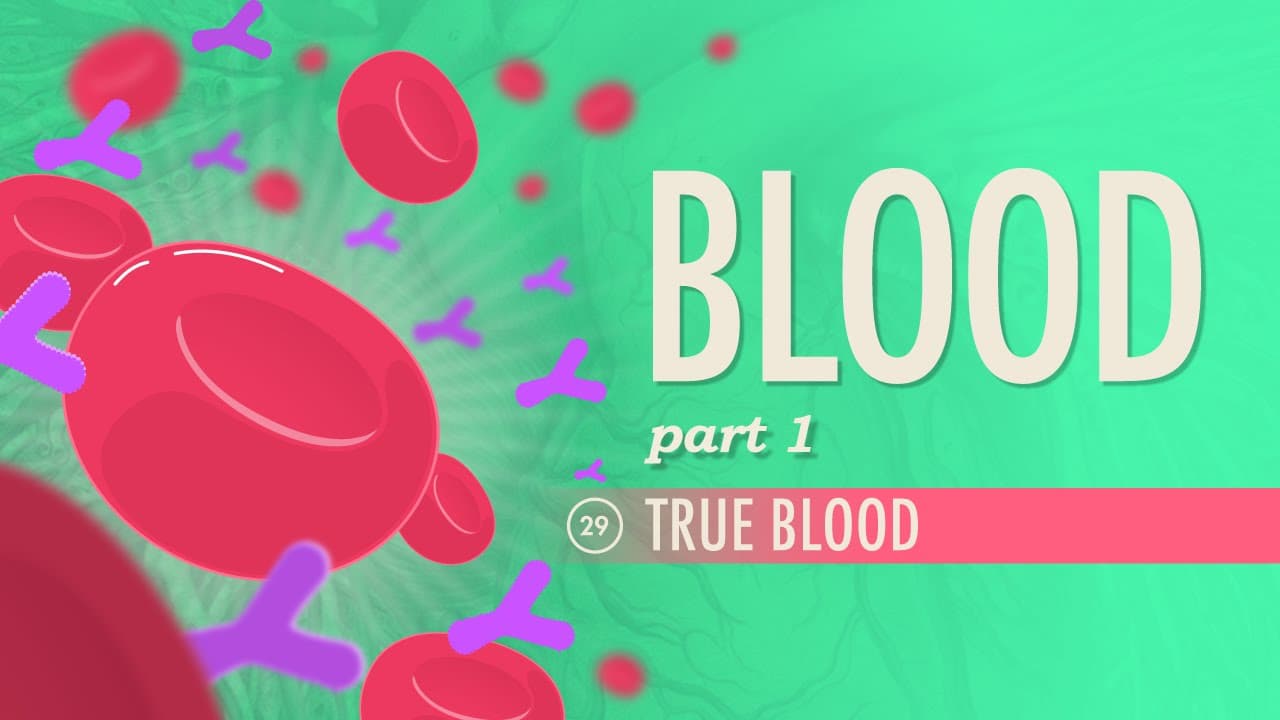
Blood is irreplaceable for human survival, as it transports oxygen, nutrients, and waste while regulating temperature and pH levels. Its primary components include red blood cells for oxygen transport, white blood cells for immunity, platelets for clotting, and plasma for maintaining blood chemistry. Blood types are crucial for safe transfusions, determined by specific antigens, with Rh factors further influencing compatibility.
Transcript
Don’t take this the wrong way, but you’re pretty replaceable. When it comes to your body, science has figured out how to hack, synthesize, or replace a surprising amount of its parts and processes. We have implants to keep heart beats steady, and steel rods to mimic bones. We’ve got drugs that can replace hormones, and antibiotics to cover for your... Read More
Key Insights
- Blood is a crucial component of the human body that cannot be synthetically manufactured or replaced, making blood donation vital.
- The primary components of blood are erythrocytes, leukocytes, platelets, and plasma, each serving distinct functions like oxygen transport and immunity.
- Hemostasis is the body's process to prevent excessive bleeding by constricting blood vessels and forming clots at injury sites.
- Blood types are determined by the presence of specific antigens on red blood cells, with the main types being A, B, AB, and O.
- The Rh factor further categorizes blood into positive or negative types, affecting compatibility for blood transfusions.
- Plasma, which makes up 55% of blood, contains water, electrolytes, proteins, and other solutes critical for maintaining blood chemistry.
- Blood transfusions are essential for patients undergoing surgery, cancer treatment, or recovering from injuries, requiring compatible blood types.
- Understanding blood components and types is essential for safe blood transfusions and managing bleeding disorders like hemophilia.
Install to Summarize YouTube Videos and Get Transcripts
Explore YouTube Video Summarizer or Get YouTube Transcript Extractor
Questions & Answers
Q: Why is blood irreplaceable and essential for the human body?
Blood is irreplaceable because it performs critical functions that cannot be synthetically replicated. It transports oxygen and nutrients to cells, removes waste products, regulates body temperature and pH levels, and protects against infections. Blood's unique composition and functions make it essential for maintaining life and health.
Q: What are the main components of blood and their functions?
Blood is composed of erythrocytes, leukocytes, platelets, and plasma. Erythrocytes, or red blood cells, transport oxygen and carbon dioxide. Leukocytes, or white blood cells, defend against infections. Platelets aid in blood clotting. Plasma, the liquid component, carries nutrients, hormones, and waste, and maintains blood chemistry.
Q: How does the process of hemostasis prevent excessive bleeding?
Hemostasis prevents excessive bleeding through a multi-step process. Initially, blood vessels constrict to reduce blood flow. Then, platelets aggregate at the injury site, forming a temporary plug. Finally, fibrin threads reinforce the platelet plug, creating a stable clot that stops bleeding and allows vessel repair.
Q: What determines a person's blood type and why is it important?
A person's blood type is determined by the presence or absence of specific antigens on the surface of their red blood cells. The main antigens are A and B, leading to four main blood types: A, B, AB, and O. Blood type is crucial for transfusions, as incompatible blood can cause severe immune reactions.
Q: What is the Rh factor and how does it affect blood transfusions?
The Rh factor is an antigen present on red blood cells, determining if blood is Rh positive or negative. It affects transfusions because Rh-negative individuals can develop antibodies against Rh-positive blood, leading to complications. Therefore, Rh compatibility is essential for safe blood transfusions and avoiding immune reactions.
Q: Why is plasma an important component of blood?
Plasma is important because it makes up 55% of blood volume and serves as the medium for transporting cells, nutrients, hormones, and waste products. It contains water, electrolytes, and proteins that maintain blood chemistry, regulate osmotic pressure, and support immune function, making it vital for overall blood health and function.
Q: What role do antigens play in the immune response related to blood?
Antigens on red blood cells, such as A, B, and Rh, act as markers that the immune system recognizes. If foreign antigens are detected, the immune system produces antibodies to target and destroy them. This response is crucial for defending against pathogens but requires careful matching in blood transfusions to prevent adverse reactions.
Q: How do blood types affect a person's ability to donate or receive blood?
Blood types affect donation and reception because they determine antigen compatibility. Type O is the universal donor, lacking A and B antigens, while AB is the universal recipient, having both antigens. Mismatched transfusions can trigger immune reactions, so knowing blood type ensures safe and compatible blood donations and transfusions.
Summary & Key Takeaways
-
Blood is an irreplaceable component of the human body, essential for transporting oxygen, nutrients, and waste. It also plays a key role in regulating body temperature and pH levels, and protecting against infections. Blood donation is crucial as it cannot be synthetically produced.
-
Blood consists of erythrocytes, leukocytes, platelets, and plasma. Erythrocytes carry oxygen, leukocytes fight infections, platelets help in clotting, and plasma contains water and solutes like electrolytes and proteins, maintaining blood chemistry and transporting substances.
-
The process of hemostasis prevents excessive bleeding through vessel constriction and clot formation. Blood types, determined by antigens on red blood cells, affect transfusion compatibility. The Rh factor further classifies blood, impacting transfusion safety and donor-recipient matching.
Read in Other Languages (beta)
Share This Summary 📚
Summarize YouTube Videos and Get Video Transcripts with 1-Click
Try YouTube Summary with ChatGPT & Claude or YouTube Transcript Generator
Explore More Summaries from CrashCourse 📚


Summarize YouTube Videos and Get Video Transcripts with 1-Click
Try YouTube Summary with ChatGPT & Claude or YouTube Transcript Generator