What Is the Columbian Exchange and Its Global Impact?
TL;DR
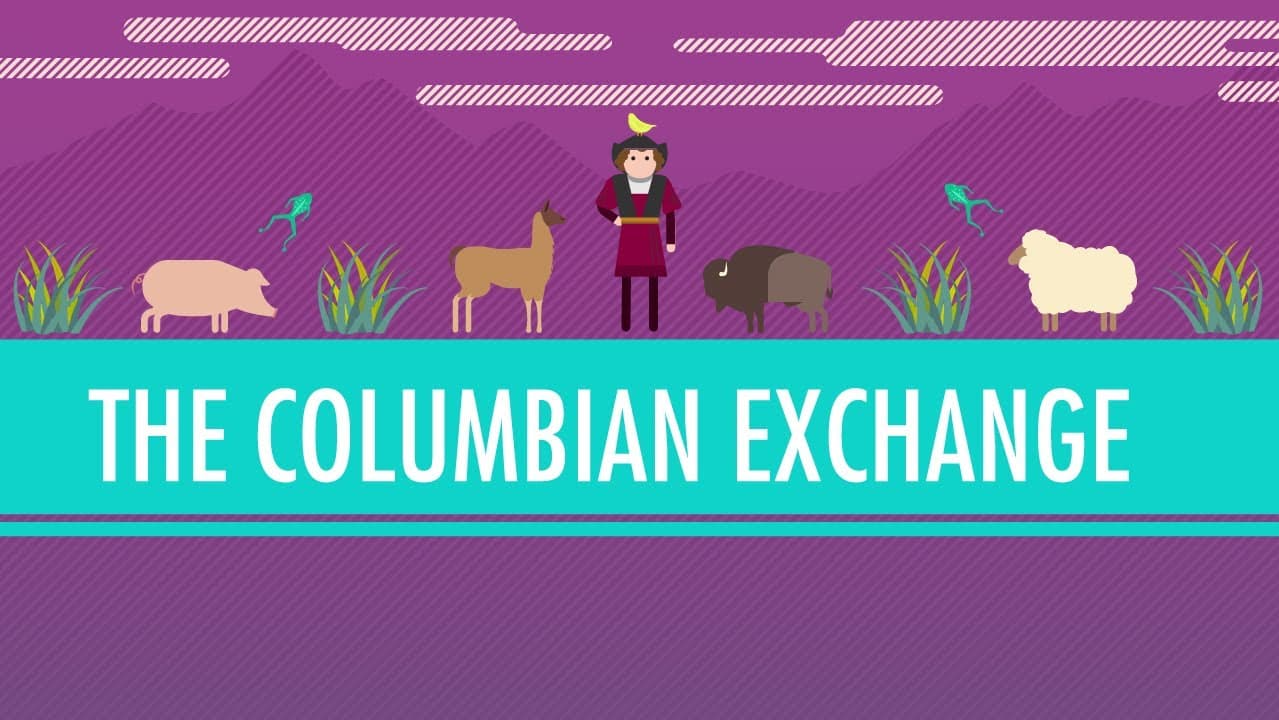
The Columbian Exchange refers to the widespread transfer of plants, animals, diseases, and people between the Americas and the Old World following Columbus's voyages. It drastically reshaped global demographics and ecosystems, with European diseases decimating Native American populations while New World crops like potatoes spurred population growth in Europe and Asia. However, it also led to ecological homogenization and significant species extinction.
Transcript
Hi. I’m John Green, this is Crash Course World History and today's video is kind of a response to one of the most riveting history books you'll ever read, the Columbian Exchange by David Crosby. He had a good year in 1969-- published The Columbian Exchange, played Woodstock, he was still on his first liver. What? It was Albert Crosby? Gash! History... Read More
Key Insights
- The Columbian Exchange irrevocably homogenized the world's biological landscape, diminishing the number of plant and animal species and their variation across regions.
- Diseases brought by Europeans devastated Native American populations, with estimates of mortality rates ranging from 50% to 90%, primarily due to smallpox and other illnesses.
- The introduction of European animals like pigs, cows, and horses revolutionized the food supply and agricultural practices in the Americas, leading to significant cultural and economic changes.
- New World plants such as tomatoes, potatoes, and maize transformed diets and agriculture in Europe, Asia, and Africa, contributing to a global population increase.
- The Columbian Exchange facilitated the movement of people, including the forced migration of Africans through slavery, reshaping the demographics of the Americas.
- Tobacco, introduced from the New World, had a significant impact on European health and economy, with its addictive nature leading to widespread use and health issues.
- The exchange led to a more interconnected global population but also resulted in ecological consequences, such as species extinction and environmental degradation.
- The legacy of the Columbian Exchange is debated, with arguments about whether the benefits of increased human population and interconnectedness outweigh the ecological and cultural losses.
Install to Summarize YouTube Videos and Get Transcripts
Explore YouTube Video Summarizer or Get YouTube Transcript Extractor
Questions & Answers
Q: What was the primary impact of the Columbian Exchange on Native American populations?
The primary impact was the devastating reduction of Native American populations due to diseases brought by Europeans. These diseases, such as smallpox, measles, and typhus, were foreign to the indigenous people, leading to mortality rates as high as 90% in some areas, significantly altering the demographic landscape.
Q: How did the introduction of European animals affect the Americas?
European animals, such as pigs, cows, and horses, transformed the Americas by revolutionizing agriculture and food supply. Pigs provided a reliable source of meat, while horses changed transportation and warfare. These animals facilitated European colonization and economic expansion by supporting larger, more stable populations.
Q: What role did New World crops play in global population growth?
New World crops like potatoes, maize, and cassava played a crucial role in global population growth by providing high-calorie food sources that thrived in diverse climates. These crops supported increased agricultural productivity and food security, particularly in Europe and Asia, leading to significant population increases between the 17th and 19th centuries.
Q: How did the Columbian Exchange contribute to the spread of tobacco?
Tobacco, introduced from the Americas, became a highly sought-after commodity in Europe due to its addictive properties. Its cultivation and trade expanded rapidly, significantly impacting economies and public health. Tobacco's popularity led to widespread use, contributing to long-term health issues like lung cancer and heart disease.
Q: What were the ecological consequences of the Columbian Exchange?
The ecological consequences included the homogenization of global ecosystems and the extinction of numerous species. The introduction of invasive species and monoculture farming practices disrupted native habitats, reducing biodiversity. These changes have had lasting impacts on global ecology and environmental sustainability.
Q: How did the Columbian Exchange affect global dietary habits?
The exchange introduced new foods that became staples in various regions, transforming global dietary habits. For example, tomatoes and potatoes became integral to European cuisine, while chilies and corn influenced Asian and African diets. These changes increased food variety and nutritional intake, altering culinary traditions worldwide.
Q: What was the impact of the Columbian Exchange on global trade?
The exchange facilitated the development of global trade networks by introducing new commodities, such as tobacco, sugar, and silver. These goods became central to international trade, driving economic growth and the expansion of European colonial empires. The exchange laid the groundwork for modern global trade systems.
Q: What are the ongoing debates about the legacy of the Columbian Exchange?
Debates about the legacy focus on whether the benefits, such as increased human population and cultural exchange, outweigh the ecological and cultural losses, including species extinction and the disruption of indigenous societies. Scholars question the sustainability of the changes and their long-term impact on global diversity and human well-being.
Summary & Key Takeaways
-
The Columbian Exchange, initiated by Columbus's voyages, drastically altered global history by introducing new diseases, animals, and plants between the Old and New Worlds, impacting populations and ecosystems.
-
European diseases decimated indigenous populations in the Americas, while New World crops like potatoes and maize spurred population growth in Europe and Asia, reshaping global demographics.
-
The exchange led to ecological homogenization and species extinction, raising questions about the long-term consequences of globalism and monoculture on biodiversity and human society.
Read in Other Languages (beta)
Share This Summary 📚
Summarize YouTube Videos and Get Video Transcripts with 1-Click
Try YouTube Summary with ChatGPT & Claude or YouTube Transcript Generator
Explore More Summaries from CrashCourse 📚

Summarize YouTube Videos and Get Video Transcripts with 1-Click
Try YouTube Summary with ChatGPT & Claude or YouTube Transcript Generator