David Neeleman Talks JetBlue Airways, Brazil, and Airline Resiliency with Guy Raz | NPR

TL;DR
Airlines can survive a severe demand collapse by grounding planes to eliminate fuel spending, reducing salary costs through voluntary unpaid leave, and deferring aircraft payments. At Azul in Brazil, business fell 95%, but almost 10,000 of roughly 13,000 employees volunteered to take months off without pay. Read on for David Neeleman’s insights on government aid, nearly empty flights, and the possible scale of airline contraction.
Transcript
hello and welcome everyone to how I built this online I hope you are safe and well guy Roz and I'm speaking to you from my home from my studio to my home in the Bay Area and I hope hope you doing okay these are obviously really challenging times for everybody for people struggling to to stay healthy for people who are sick for people who have lost ... Read More
Key Insights
- Azul's business dropped 95% during the pandemic, falling from 900 flights a day to under 50 and from roughly 10 million dollars in daily revenue to about 5% of that, showing the scale of the demand collapse airlines faced.
- An airline's three largest costs are crew salaries, fuel, and aircraft. Grounding the fleet eliminates fuel spend, and Neeleman reduced the other two by negotiating salary cuts and six-month payment deferrals from aircraft suppliers.
- Employee loyalty can be a survival tool: when Azul asked its 13,000 workers who would take a few months off without pay, almost 10,000 volunteered, saying they wanted to save the company they loved.
- Government support is framed as a return on investment because carriers generate taxes, employment, and billions in economic impact. Azul serves over a hundred cities, more than twice its competitors, strengthening its case for state aid.
- The US airline aid package was fifty billion dollars, split so carriers must pay staff through the end of September with no layoffs, plus about 25 billion in loans, tying relief to preserving jobs.
- Aid conditions require airlines to keep minimum service to previously served cities, which is why planes fly nearly empty with only one or two passengers, draining cash while meeting the terms of the government package.
- Recovery size depends on timeline: one US airline executive expects to be 25% smaller for the next few years if travel returns in months, but could shrink 50% or more if the crisis lasts a year until a vaccine.
- Brazil's development bank (BNDES) committed to provide whatever capital Azul needs, giving Neeleman confidence the airline will be fine because it was one of the most profitable and certified airlines in the world before the crisis.
Install to Summarize YouTube Videos and Get Transcripts
Explore YouTube Video Summarizer or Get YouTube Transcript Extractor
Questions & Answers
Q: How can airlines survive a crisis like the pandemic?
David Neeleman says airlines must address their three largest costs: salaries, fuel, and aircraft. Azul grounded planes to eliminate fuel spending, nearly 10,000 employees volunteered for unpaid leave, and aircraft suppliers agreed to defer payments for six months.
Q: How much did Azul’s business decline during the pandemic?
Azul’s business fell 95%, with daily flights dropping from about 900 to fewer than 50. Revenue declined from close to 10 million dollars per day to roughly 5% of that amount.
Q: How did Azul’s employees help the airline survive?
Azul asked its roughly 13,000 employees who would take a few months off without pay. Almost 10,000 volunteered because they wanted to help save the company, strengthening Neeleman’s resolve to restore every job as soon as possible.
Q: What are an airline’s three largest cost categories?
Neeleman identifies salaries for crew members and other employees, fuel, and aircraft costs as the three major expenses. Grounding aircraft removes fuel spending, while unpaid leave and negotiated aircraft-payment deferrals reduce the other two costs.
Q: What support did the US airline aid package provide?
The US airline aid package totaled fifty billion dollars and required carriers to pay employees through the end of September without layoffs. It also included about 25 billion dollars in loans and required airlines to maintain minimum service to cities they had previously served.
Q: Why were airlines flying nearly empty planes during the pandemic?
Government aid required US airlines to maintain minimum service to cities they previously served. Carriers therefore continued some routes despite weak demand, sometimes carrying only one or two passengers and draining cash.
Q: How much smaller could US airlines become after the crisis?
One US airline executive told Neeleman that a carrier might remain about 25% smaller for several years if travel returned within months. If the crisis lasted a year until a vaccine, it could become 50% smaller or more.
Q: Why does David Neeleman believe governments should support airlines?
Neeleman describes airline support as a return on investment because carriers generate taxes, jobs, and broader economic activity. He notes that Azul buys Brazilian-made aircraft, employs many people, and serves over a hundred cities, more than twice as many as its competitors.
Summary
In this video, Guy Raz speaks with David Neeleman, the founder of airlines such as JetBlue, WestJet, Azul Airways, and Breeze, about how businesses are navigating the current crisis and how to build resiliency during these challenging times.
Questions & Answers
Q: Where is David Neeleman currently located?
David Neeleman is currently at his home in Connecticut, in the tri-state area near New York City.
Q: How is David Neeleman and his family coping with the situation?
David Neeleman and his family are holding up well. They have decided to hunker down together in Connecticut, with his oldest daughter, her husband, and their five kids. They are following safety guidelines and are staying safe.
Q: What is the current state of Azul Airways in Brazil?
Azul Airways, like many airlines, is facing major challenges due to the crisis. Their business is down 95%, with only 50 flights a day compared to their usual 900 flights. They have had to make some tough decisions, but the support from their employees has been remarkable. About 10,000 employees have volunteered to take a few months off without pay to help save the company.
Q: How are domestic carriers in the US expected to fare during this crisis?
The US domestic airline industry is facing significant challenges. While the government has provided a $50 billion aid package to the airlines, the outlook is uncertain. The extent of the crisis will depend on how long it lasts, with projections suggesting that airlines could be 25-50% smaller if it persists for a year. The ability to get back to work in a few months and adapt to changing circumstances will be crucial.
Q: How can we create a path forward that ensures public safety and health while also allowing businesses to function?
David Neeleman suggests that getting accurate data and understanding the science behind the virus is essential. By focusing on protecting the most vulnerable populations, such as those with underlying health conditions, we can better manage the spread of the virus. This data-driven approach can inform decisions about testing, healthcare resources, and other measures needed to restore confidence and resume economic activities.
Q: What can airlines do to restore confidence in air travel?
Airlines can take several steps to restore confidence in air travel. They can emphasize the safety features of airplanes, such as pressurized cabins and advanced air filtration systems. Encouraging passengers to wear masks, providing cleaning supplies, and implementing strict hygiene protocols can also help alleviate concerns. Additionally, providing transparent information about the low transmission risk onboard airplanes can help ease worries.
Q: How can small business owners navigate the current crisis and keep their businesses afloat?
Small business owners should try to envision the "new norm" that will emerge after the crisis and adapt their businesses accordingly. They can explore new products or services that align with changing consumer needs and behaviors. It's important to be proactive, creative, and open to new possibilities to ensure business continuity and generate revenue.
Q: What changes or adaptations might businesses need to make in the future?
Businesses will likely need to make changes to align with the "new norm" that will emerge after the crisis. This could involve manufacturing new products or developing add-ons to existing products that address new customer concerns or requirements. It's crucial to anticipate and adapt to changes in consumer behavior and preferences.
Q: What insights can be gained from antibody testing?
Antibody testing can provide valuable data to understand the spread and impact of the virus. By testing a representative sample of the population, we can estimate the number of people who have developed antibodies, which may indicate prior exposure to the virus. This data can help inform decisions about resource allocation, easing restrictions, and determining the actual mortality rate.
Q: How can we ensure the protection of vulnerable populations while gradually re-opening businesses and restoring normalcy?
Protecting vulnerable populations should be a priority. A strategy could involve contacting and educating people with underlying health conditions about the risks and necessary precautions. Creating a comprehensive database of COVID-19-related deaths that includes underlying health conditions and severity can help inform targeted protection measures.
Q: How can businesses adapt to the changing circumstances and prepare for the future?
Businesses should anticipate and plan for the "new norm" that will emerge after the crisis. They should focus on building resilience and consider how to tailor their products or services to future needs. It's important to stay informed, embrace change, and be open to new possibilities and innovations.
Takeaways
It is important for businesses to adapt, innovate, and prepare for the future. Protecting vulnerable populations is crucial to managing the spread of the virus. Accurate data and understanding the science of transmission can inform strategies to restore confidence and reopen businesses. Airlines can restore confidence by emphasizing safety features and implementing strict hygiene protocols. Small business owners should identify opportunities and modify their products or services to align with changing customer needs. Overall, businesses need to be proactive, creative, and resilient in navigating these challenging times.
Summary & Key Takeaways
-
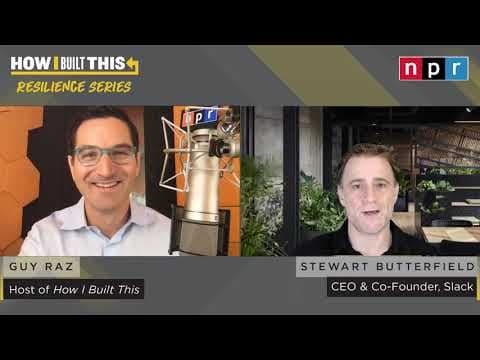
David Neeleman, founder of JetBlue, WestJet, Azul, TAP, and the newly launched Breeze, joined Guy Raz on How I Built This Online from his Connecticut home during the pandemic to discuss how airlines can build resiliency and navigate a near-total collapse in air travel demand.
-
At Azul in Brazil, revenue fell 95%, dropping from 900 flights and about 10 million dollars a day to under 50 flights. Neeleman cut the three main costs by pausing fuel through grounding, reducing salaries, and deferring aircraft payments for six months.
-
For the US, the fifty billion dollar aid package requires paying staff through September, no layoffs, and minimum service, plus 25 billion in loans. Carriers may end up 25% to 50% smaller depending on whether travel returns in months or takes a year.
Read in Other Languages (beta)
Share This Summary 📚
Summarize YouTube Videos and Get Video Transcripts with 1-Click
Try YouTube Summary with ChatGPT & Claude or YouTube Transcript Generator
Explore More Summaries from NPR 📚





Summarize YouTube Videos and Get Video Transcripts with 1-Click
Try YouTube Summary with ChatGPT & Claude or YouTube Transcript Generator