What Is Tribal Sovereignty in the U.S.?
TL;DR
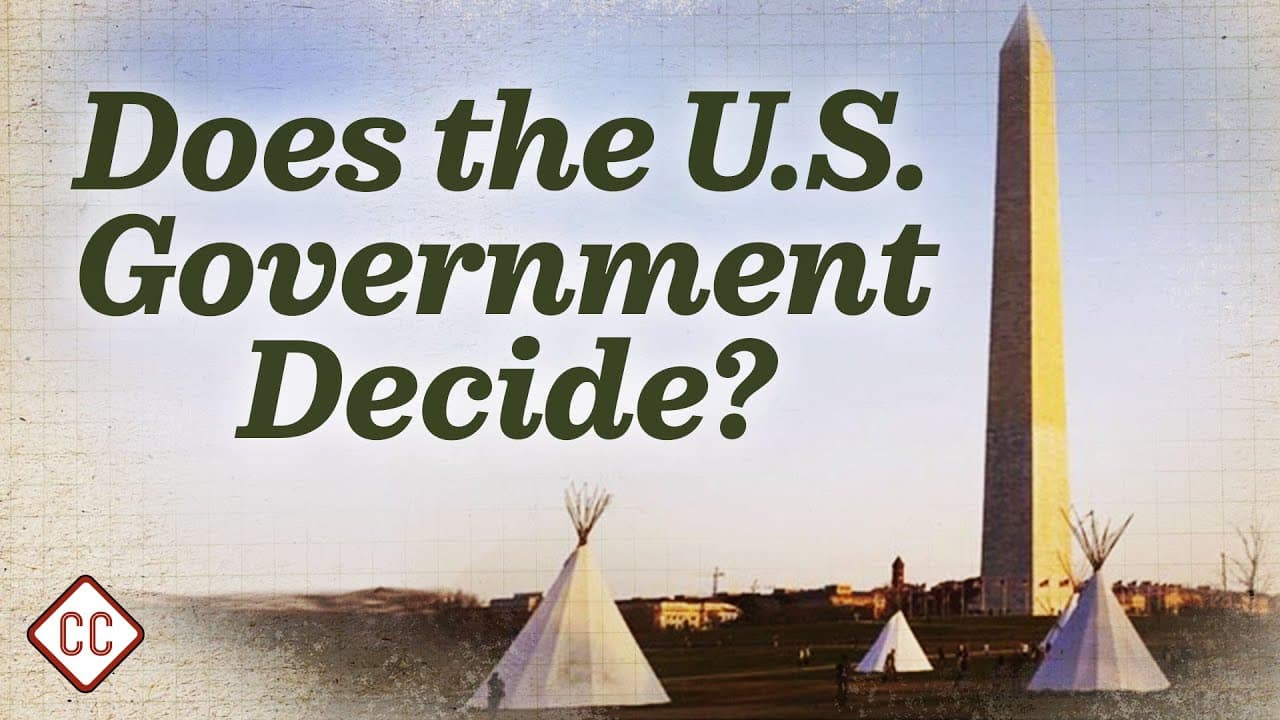
Tribal sovereignty refers to the inherent right of Native American nations to govern themselves, a right that predates the United States. Despite federal recognition challenges, sovereignty allows tribes to make and enforce laws, manage resources, and maintain cultural practices. However, U.S. policies often complicate or limit these rights, impacting their autonomy.
Transcript
This is the story of a nation that, according to the United States, doesn’t exist. Let me explain. The members of the Chinook Indian Nation were skilled fishers, using nets called seines to rein in salmon they would often use for trade. They honored the first salmon run of the year with rituals, where they cooked and ate the fish before returning... Read More
Key Insights
- Tribal sovereignty is an inherent right, not granted by the U.S., allowing Native nations to govern themselves.
- The U.S. Constitution acknowledges tribal sovereignty through the Indian Commerce Clause, treating tribes as sovereign entities.
- The Marshall Trilogy of Supreme Court cases further recognized tribal sovereignty but classified tribes as 'domestic dependent nations.'
- Federal recognition is crucial for tribes to exercise sovereignty fully, impacting their ability to self-govern and access resources.
- Native nations can create laws, manage resources, and maintain cultural practices, but federal and state policies can limit these rights.
- Public Law 280 gave certain states jurisdiction over Native lands, reducing tribal authority without Native consent.
- Tribal sovereignty supports economic growth by allowing tribes to regulate trade and collect taxes on their lands.
- Lack of federal recognition affects tribes like the Chinook, limiting their rights to resources and federal services.
Install to Summarize YouTube Videos and Get Transcripts
Explore YouTube Video Summarizer or Get YouTube Transcript Extractor
Questions & Answers
Q: What is tribal sovereignty in the United States?
Tribal sovereignty in the United States is the inherent right of Native American nations to govern themselves, a right that predates the formation of the U.S. Constitution. It allows tribes to make and enforce their own laws, manage resources, and maintain cultural practices. However, U.S. policies and federal recognition can complicate or limit these rights.
Q: How does the U.S. Constitution recognize tribal sovereignty?
The U.S. Constitution recognizes tribal sovereignty through the Indian Commerce Clause, which acknowledges Native nations as sovereign entities capable of regulating commerce with the federal government. This clause places Native tribes on par with foreign nations and states, affirming their status as independent political communities.
Q: What is the significance of the Marshall Trilogy in tribal sovereignty?
The Marshall Trilogy is a series of Supreme Court cases that recognized tribal sovereignty but also classified tribes as 'domestic dependent nations.' This classification acknowledges their right to self-governance while placing them under the protection and control of the federal government, complicating their sovereignty.
Q: Why is federal recognition important for Native tribes?
Federal recognition is crucial for Native tribes as it allows them to exercise full sovereignty, enabling self-governance, resource management, and access to federal services. Without recognition, tribes face limitations in rights and resources, impacting their ability to maintain cultural practices and provide for their communities.
Q: What challenges do tribes face without federal recognition?
Tribes without federal recognition, like the Chinook, face challenges such as limited access to resources, federal services, and rights to manage their lands and cultural practices. This lack of recognition restricts their ability to self-govern and impacts their economic and social well-being, as they cannot fully exercise their sovereignty.
Q: How does Public Law 280 affect tribal sovereignty?
Public Law 280 affects tribal sovereignty by granting certain states jurisdiction over Native lands, reducing tribal authority without Native consent. This law complicates the relationship between Native nations and states, limiting tribes' ability to manage minor crimes and impacting their access to federal funding for judicial systems.
Q: What are the benefits of recognized tribal sovereignty?
Recognized tribal sovereignty allows Native nations to make and enforce laws, manage resources, and maintain cultural practices. It supports economic growth by enabling tribes to regulate trade, collect taxes, and provide services like healthcare. Sovereignty also helps preserve cultural identities and ensures tribes can determine their own futures.
Q: How does tribal sovereignty impact Native American cultural practices?
Tribal sovereignty impacts Native American cultural practices by allowing tribes to maintain and pass on traditions, languages, and cultural identities. Recognized sovereignty enables tribes to govern their lands and resources, ensuring they can preserve important cultural sites and practices, such as fishing rights and ceremonial activities.
Summary & Key Takeaways
-
Tribal sovereignty allows Native American nations to govern themselves, an inherent right recognized by the U.S. Constitution. Despite this, federal policies often limit their autonomy, classifying them as 'domestic dependent nations.' This impacts their ability to manage resources and maintain cultural practices.
-
Federal recognition is essential for tribes to exercise full sovereignty, affecting their access to resources and self-governance. The Chinook Indian Nation's struggle for recognition highlights these challenges, as they face limitations in rights and services without it.
-
Public Law 280 and other policies have reduced tribal authority by giving states jurisdiction over Native lands, often without Native consent. This complicates the relationship between Native nations, the federal government, and states, impacting their sovereignty and autonomy.
Read in Other Languages (beta)
Share This Summary 📚
Summarize YouTube Videos and Get Video Transcripts with 1-Click
Try YouTube Summary with ChatGPT & Claude or YouTube Transcript Generator
Explore More Summaries from CrashCourse 📚


Summarize YouTube Videos and Get Video Transcripts with 1-Click
Try YouTube Summary with ChatGPT & Claude or YouTube Transcript Generator