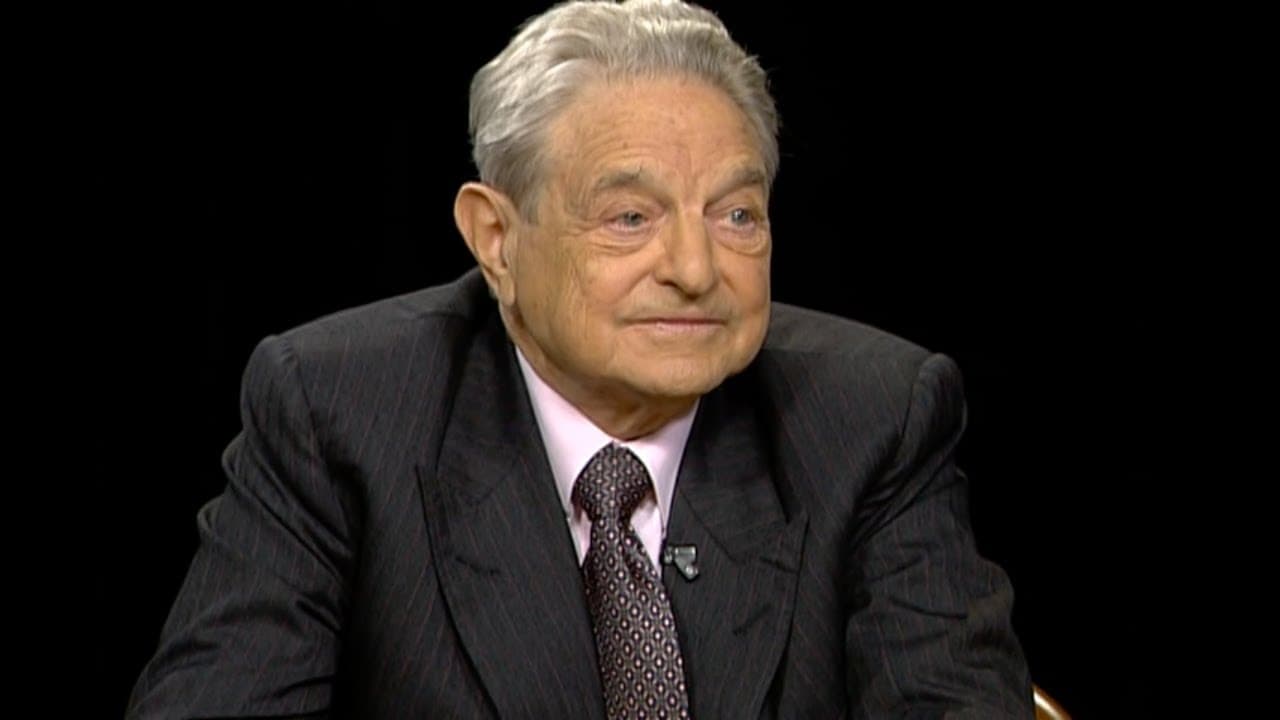
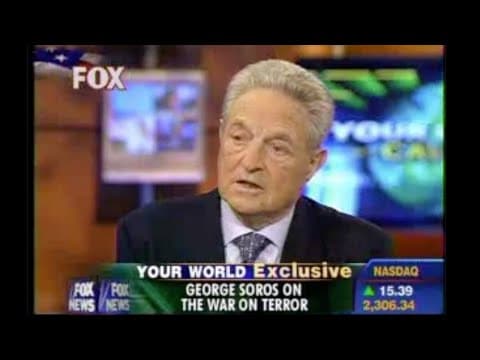
George Soros | Charlie Rose | 2008
TL;DR
The housing collapse was likely to deepen because falling prices, foreclosures, defaults, and negative equity reinforced one another. George Soros argued that markets do not reliably correct themselves, so authorities needed to use public money to limit foreclosures, stabilize housing, and contain severe economic and social damage, even as recession and pressure on the dollar intensified.
Transcript
george soros is here he is a billionaire investor philanthropist political activist and author his 10th and latest book the new paradigm for financial markets the credit crisis of 2008 and what it means was recently published as an electronic book in it he writes that the global flight from the weekend will have quote far-reaching political consequ... Read More
Key Insights
- The dollar's reserve currency status was in doubt because investors were less willing to hold dollars while recession-fighting policies increased their supply. Soros connected lower interest rates, fiscal stimulus, and a budget deficit rising from $162 billion in 2007 toward roughly $450 billion in 2008 with added pressure on the currency.
- A weaker dollar was both corrective and painful because it could increase demand for American goods while raising the domestic cost of imports. Soros described the shrinking current account deficit as a healthy adjustment, but warned that an appreciating Chinese currency could add one or two percent to core inflation.
- The housing boom substituted asset appreciation for wage growth because many Americans could refinance homes whose values had been rising more than 10 percent annually. Once that bubble burst, falling prices removed an important source of household savings and purchasing power while exposing borrowers to mortgage distress.
- The housing decline was accelerating despite the seasonal strength of home selling. Soros cited prices falling at an annual rate of 25 percent in the latest month discussed and expected millions of defaults from subprime mortgages and adjustable-rate loans that allowed unpaid interest to be added to principal.
- Foreclosures create a self-reinforcing decline because distressed sales add downward pressure to housing prices, which pushes more homeowners into negative equity. Soros argued that this process could cause prices to overshoot on the downside just as the preceding bubble had overshot on the upside.
- The social damage was concentrated in particular communities because housing represented the main form of ownership for many upwardly mobile African Americans. Soros cited a wealthy African American community in Maryland as heavily affected, with homeowners lacking other assets that could offset declining house values.
- Market fundamentalism is the false assumption that markets naturally correct themselves and tend toward equilibrium. Soros argued that regulators and market participants relied on this view when designing securitized mortgages, synthetic instruments, and trading techniques that failed to account for systemic bubbles and correlated losses.
- Public intervention was necessary because the housing collapse threatened both economic stability and the social fabric. Soros supported fiscal stimulus and the Bear Stearns rescue, while arguing that taxpayer money should also be used to minimize foreclosures and arrest the accelerating fall in home prices.
Install to Summarize YouTube Videos and Get Transcripts
Explore YouTube Video Summarizer or Get YouTube Transcript Extractor
Questions & Answers
Q: Why did George Soros think the 2008 housing crisis would worsen?
Soros believed the crisis would worsen because housing prices were falling at an accelerating rate while defaults and foreclosures were increasing. He expected about 40 percent of six or seven million subprime mortgages to default, alongside failures among adjustable-rate loans. Lower prices would leave more homeowners with negative equity, creating a self-reinforcing cycle of distressed sales, further price declines, and additional defaults.
Q: How did falling home prices threaten the wider economy?
Falling home prices removed a financial support that many households had relied upon during years of limited wage growth. Homeowners had benefited from property values rising more than 10 percent annually and could refinance their mortgages, treating accumulated equity as savings. When prices reversed, refinancing weakened, foreclosures increased, household wealth declined, and the downturn threatened to deepen the recession through 2009.
Q: What did Soros mean by market fundamentalism?
Market fundamentalism was Soros's term for the belief that financial markets tend toward equilibrium, correct themselves, and should largely regulate themselves. He argued that this interpretation was false because market deviations could become systemic rather than random. Regulators, market participants, mortgage securitization models, synthetic instruments, and hedge fund trading techniques had adopted assumptions that failed to account for bubbles driving prices sharply upward and then downward.
Q: Why did mortgage securitization fail to eliminate systemic risk?
Mortgage securitization was presented as safer because many individual loans could be packaged together and divided into separate portions, apparently distributing risk more effectively. Soros argued that this reasoning overlooked the possibility of a market-wide housing bubble. When the same forces drove prices upward and later downward across the system, diversification could not prevent widespread defaults, correlated losses, and instability among the financial instruments built from those mortgages.
Q: Why did Soros support using taxpayer money during the crisis?
Soros argued that taxpayer money was needed to minimize the number of homeowners losing their properties through foreclosure. Foreclosures were not only socially devastating, but also economically destabilizing because they placed additional downward pressure on housing prices. Limiting them could interrupt the self-reinforcing cycle in which lower prices produced negative equity, more defaults, additional distressed properties, and an even steeper decline in the housing market.
Q: How did the crisis affect African American communities?
Soros said the damage fell disproportionately on African Americans and highlighted an upwardly mobile community in Maryland as especially affected. Many households had chosen housing as their primary form of ownership and did not possess other assets capable of offsetting declining property values. As defaults and foreclosures increased, the concentrated losses threatened severe social consequences and, in Soros's view, could tear at the country's social fabric.
Q: Why was the dollar's global reserve role under pressure?
Soros said the dollar had served as the generally accepted reserve currency since the end of the Second World War, but investors were becoming less willing to hold it. Recession encouraged lower interest rates, greater dollar circulation, fiscal stimulus, and larger deficits. He cited a budget deficit rising from $162 billion in 2007 toward roughly $450 billion in 2008, with expectations that it could approach $500 billion.
Q: Was a declining dollar beneficial or harmful to the United States?
A declining dollar had both benefits and costs in Soros's account. It made American goods more attractive and helped reduce a current account deficit that had exceeded six percent of gross domestic product, cushioning the recession through a necessary adjustment. However, it also made imported goods more expensive and constrained interest-rate policy because currency weakness could translate into higher core inflation, including through appreciation of the Chinese currency.
Summary
George Soros discusses the global financial crisis and its potential political consequences. He explains that the dollar's status as the reserve currency is now in doubt due to reduced willingness to hold dollars and the increasing budget deficit. He predicts that the decline in the dollar will lead to core inflation and higher prices for goods. Soros also argues that the housing market decline will worsen, leading to an economic recession. He criticizes the false understanding of financial markets and the belief in market self-correction. He argues for government intervention to mitigate the decline in housing and regulate the financial system.
Questions & Answers
Q: What are the far-reaching political consequences of the global flight from the dollar?
The flight from the dollar raises doubts about the dollar's status as the reserve currency and leads to a breakdown in the prevailing world order. It puts pressure on the Fed to balance lowering interest rates to stimulate the economy with the declining value of the dollar, which could lead to core inflation. Additionally, holders of dollars are diversifying away from currencies, leading to an increase in sovereign wealth funds and a shift in the economic landscape.
Q: How does the decline in the dollar affect core inflation?
The decline in the dollar translates into core inflation because the appreciation of the Chinese currency and the diversification away from dollars increases the cost of goods, including those in Walmart. This can lead to higher prices for everyday goods due to inflation.
Q: What is the impact of the housing market decline?
The housing market decline will worsen and extend into 2009, leading to a recession. Housing prices are falling rapidly, with an annual rate of 25 percent in the past month alone. As prices fall, more homeowners will face negative equity, resulting in an increasing number of foreclosures. This has severe social consequences, disproportionately affecting African American communities and causing turmoil in certain areas. It also hampers economic growth and worsens the overall economic situation.
Q: Are we already in a recession?
Yes, we are already in a recession, but it is expected to get worse. The temporary rebound predicted by Bernanke for the second half of the year is unlikely to happen since things are still accelerating on the downside. The decline in the housing market will continue to impact the economy and delay any potential recovery.
Q: How can the decline in housing be addressed?
To prevent housing prices from overshooting on the downside and exacerbating the decline, action needs to be taken to minimize the number of foreclosures. This can be achieved by encouraging loan modification and renegotiating mortgage terms. While the right to foreclosure should be protected, minimizing its use is crucial to avoiding further damage to housing prices and the social fabric of communities.
Q: What is the false understanding of financial markets?
The prevailing false understanding is that markets tend towards equilibrium and that deviations from equilibrium are random. In reality, the deviations from equilibrium are not random but are the result of systemic risks and bubbles. This false understanding has led to the use of synthetic instruments and trading techniques that are built on the assumption of market self-correction. Regulators have also embraced this belief, leading to the current financial crisis.
Q: Is this the worst market crisis in 60 years?
Yes, this is the worst market crisis since World War II. The combination of the housing bubble and the super bubble of credit expansion since the end of the war has created a severe crisis. The flawed belief in market self-correction and the lack of regulation have allowed the crisis to reach this level of severity.
Q: Who made the mistakes that led to this crisis?
The mistakes were made by both the laissez-faire governments of Margaret Thatcher and Ronald Reagan and the market participants. The housing bubble started due to the low interest rates used to recover from the IT bubble. The mistaken belief in market fundamentalism, leaving markets to self-regulate, along with the globalization and liberalization of financial markets, have amplified the credit expansion and led to the current crisis.
Q: Are the measures taken by the Federal Reserve and the government enough to address the crisis?
The measures taken, such as lowering interest rates, guaranteeing loans to bail out institutions like Bear Stearns, and implementing stimulus packages, are necessary and in the right direction. However, they are not sufficient to overcome the crisis completely. More action needs to be taken to address the issue of foreclosures and modify mortgage terms. Additionally, the false paradigm of financial markets needs to be acknowledged, and regulations need to be put in place to control credit growth and prevent asset bubbles.
Q: How long will this crisis last?
This crisis is expected to last longer and be more serious than previous ones because the authorities are more constrained in their ability to address it. While the Federal Reserve and other institutions are trying to mitigate the crisis through measures like lowering interest rates, it is not enough to effectively reverse the situation. The crisis is expected to continue and worsen unless further action is taken.
Q: Where is Soros putting his money and what is he optimistic about?
Soros is trying to balance his investments to ensure he doesn't lose his capital. He holds both long and short positions. Soros is generally optimistic because he believes in the imperfection of all human constructs, including markets. He argues that finding the right balance and recognizing the need for government intervention and regulation is essential in managing economic crises and fostering stability.
Summary & Key Takeaways
-
Soros argued that the dollar's reserve currency status was increasingly uncertain as recession prompted lower interest rates, fiscal stimulus, and a rapidly expanding budget deficit. A weaker dollar could support American exports and reduce the current account deficit, but it could also raise core inflation as imported goods became more expensive.
-
The housing bubble had allowed Americans with stagnant wages to benefit from rising home values and mortgage refinancing. Once prices began falling, subprime and adjustable-rate mortgages produced growing defaults and foreclosures. Falling prices also created negative equity, weakened household finances, and threatened a recession extending into 2009.
-
Soros rejected the belief that financial markets naturally return to equilibrium. Mortgage securitization and synthetic instruments were treated as safer because risks appeared diversified, but their models neglected systemic bubbles. He supported fiscal stimulus and emergency interventions while arguing that taxpayer funds were needed to limit foreclosures and arrest housing's self-reinforcing decline.
Read in Other Languages (beta)
Share This Summary 📚
Summarize YouTube Videos and Get Video Transcripts with 1-Click
Try YouTube Summary with ChatGPT & Claude or YouTube Transcript Generator
Explore More Summaries from Investor Archive 📚

Summarize YouTube Videos and Get Video Transcripts with 1-Click
Try YouTube Summary with ChatGPT & Claude or YouTube Transcript Generator