2010 Nobel Prize in Literature Announcement
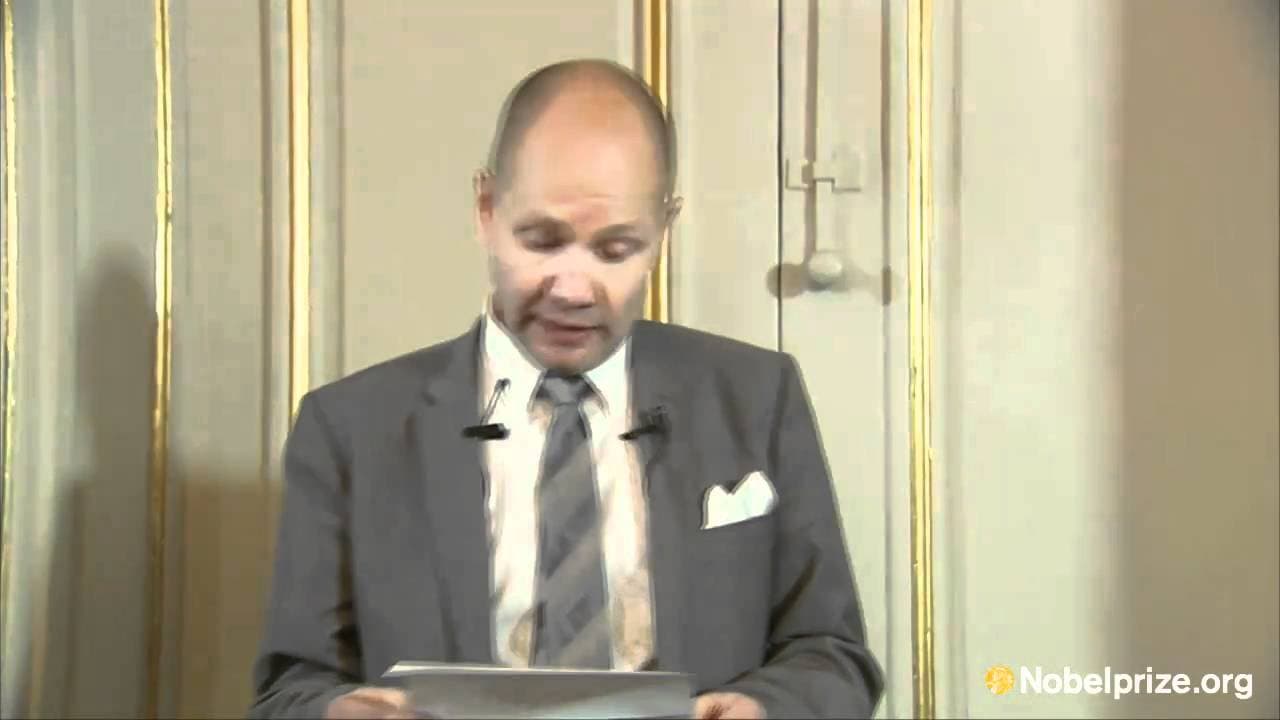
Transcript
Read and summarize the transcript of this video on Glasp Reader (beta).
Install to Summarize YouTube Videos and Get Transcripts
Explore YouTube Video Summarizer or Get YouTube Transcript Extractor
Summary
The Nobel Prize in Literature for 2010 was awarded to Mario Vargas Llosa, a Peruvian author known for his exploration of power structures and his vivid portrayal of individual struggles against oppression.
Questions & Answers
Q: Who was awarded the Nobel Prize in Literature for 2010?
The Nobel Prize in Literature for 2010 was awarded to Mario Vargas Llosa, a renowned Peruvian author.
Q: What is Mario Vargas Llosa known for in his writings?
In his writings, Mario Vargas Llosa is known for his cartography of power structures and his ability to vividly depict the resistance, revolt, and defeats faced by individuals.
Q: Could you explain more about Mario Vargas Llosa's exploration of power structures?
Mario Vargas Llosa's works delve into the various forms of power, be it political, social, or cultural. He examines how these structures shape societies and individuals, presenting a nuanced and intricate portrayal of their influence.
Q: How does Mario Vargas Llosa portray the individual's resistance, revolt, and defeat in his writings?
Mario Vargas Llosa's writings are characterized by trenchant images that capture the individual's struggles against oppression, injustice, and adversity. He presents a range of human experiences, showcasing both the resilience and vulnerability of individuals as they confront and confront power.
Q: Can you provide examples of Mario Vargas Llosa's notable works that explore power and resistance?
Mario Vargas Llosa's notable works include "The War of the End of the World," which depicts a peasant uprising against authoritarian rule in Brazil, and "The Feast of the Goat," which examines the dictatorship of Rafael Trujillo in the Dominican Republic. These works illustrate his exploration of power dynamics and the ways in which individuals resist and challenge oppressive systems.
Q: How has Mario Vargas Llosa's writing impacted literature?
Mario Vargas Llosa's writing has had a profound impact on literature. His ability to intricately map power structures while capturing the complexities of individual struggles has influenced subsequent generations of writers. His works challenge readers to critically examine power dynamics and to empathize with those who resist oppression.
Q: In what ways does Mario Vargas Llosa's writing resonate with readers?
Mario Vargas Llosa's writing resonates with readers because it exposes the universal nature of power struggles and the resilience of individuals in the face of adversity. His works provoke reflection and empathy, inviting readers to interrogate their own experiences and consider the dynamics of power that shape their own lives.
Q: What themes other than power and resistance are present in Mario Vargas Llosa's writings?
While power and resistance are central themes in Mario Vargas Llosa's writings, he also explores themes of love, identity, politics, and society. His works delve into a wide range of human experiences and tackle issues that are relevant to individuals and societies worldwide.
Q: How has Mario Vargas Llosa's literary style contributed to his impact as an author?
Mario Vargas Llosa's literary style is marked by its richness and depth, allowing readers to fully immerse themselves in his narratives. His ability to skillfully develop characters and create vivid, evocative descriptions enhances the emotional impact of his works, further solidifying his reputation as a master storyteller.
Q: What has been the overall influence of Mario Vargas Llosa's work in the literary world?
Mario Vargas Llosa's work has made a lasting impact on the literary world. His exploration of power structures and his portrayal of individual resistance and resilience have inspired writers around the globe. Additionally, his work has encouraged readers to engage critically with the social and political issues prevalent in their societies, elevating the importance of literature in fostering important dialogues.
Takeaways
Mario Vargas Llosa's well-deserved Nobel Prize in Literature for 2010 is a testament to his profound exploration of power structures and his vivid portrayal of the individual's struggle against oppression. Through his works, he invites readers to critically examine power dynamics and empathize with those who resist, revealing the universal nature of these struggles. His literary style, characterized by richness and depth, further enhances the emotional impact of his narratives. Mario Vargas Llosa's influence extends beyond the literary world, as his writing encourages readers to engage with societal and political issues.
Read in Other Languages (beta)
Share This Summary 📚
Summarize YouTube Videos and Get Video Transcripts with 1-Click
Try YouTube Summary with ChatGPT & Claude or YouTube Transcript Generator
Explore More Summaries from Nobel Prize 📚
Summarize YouTube Videos and Get Video Transcripts with 1-Click
Try YouTube Summary with ChatGPT & Claude or YouTube Transcript Generator