Do we Need Nuclear Energy to Stop Climate Change?
TL;DR
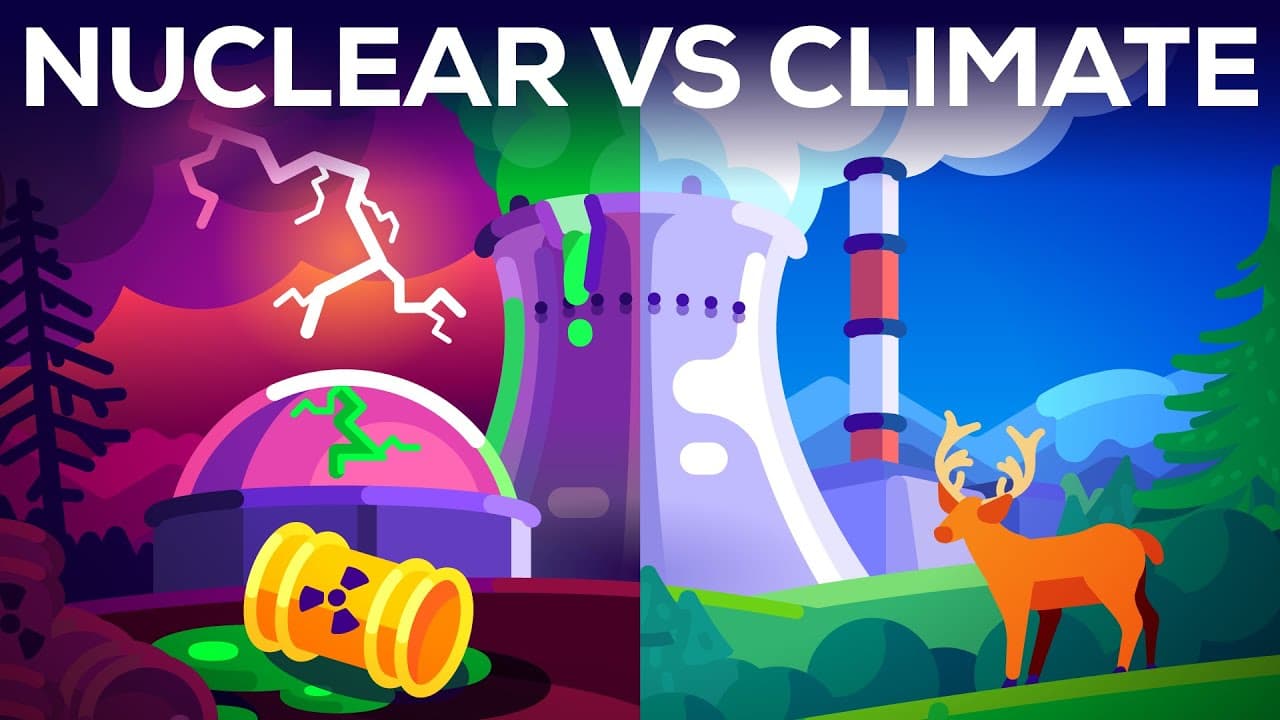
Nuclear energy and renewables should be seen as complementary solutions for addressing climate change, as both require innovation and investment to meet the growing demand for electricity and reduce reliance on fossil fuels.
Transcript
do we need nuclear energy to stop climate change more and more voices from science environmental activists and the press have been saying so in recent years but this comes as a shock to those who are fighting against nuclear energy and the problems that come with it so who's right well it's complicated to slow rapid climate change the world needs t... Read More
Key Insights
- 🫢 To combat climate change, reducing greenhouse gas emissions from energy production is crucial.
- 💨 The world heavily relies on fossil fuels, making it challenging to transition away from them.
- 💨 Electrifying various sectors and relying on low-emission technologies such as solar, wind, and nuclear energy can facilitate a radical transition.
- 😘 Nuclear energy, despite its challenges, has the potential to provide a significant amount of low-carbon electricity.
- 🖤 The lack of innovation and investment in nuclear energy has stagnated its growth in many Western countries.
- 🌬️ Renewables face challenges in terms of reliability and consistency, requiring massive storage capacities to address fluctuations in wind and solar availability.
- 💯 No energy source is perfect, and both nuclear energy and renewables require investment and technological innovation.
- 🙈 Rather than viewing nuclear and renewables as opponents, they should be seen as partners in the fight against climate change.
Install to Summarize YouTube Videos and Get Transcripts
Explore YouTube Video Summarizer or Get YouTube Transcript Extractor
Questions & Answers
Q: Why is reducing greenhouse gas emissions from energy production crucial for addressing climate change?
Energy production, primarily through burning fossil fuels, accounts for three-quarters of global greenhouse gas emissions. To mitigate climate change, reducing these emissions is essential.
Q: How does the use of fossil fuels compare to low emission sources like nuclear energy?
Currently, around 84% of global energy comes from fossil fuels, whereas only 4% comes from nuclear power. This highlights the need to transition to low emission sources like nuclear energy to reduce greenhouse gas emissions.
Q: What are the challenges involved in transitioning to low emission sources of electricity?
One of the main challenges is the reliance on burning fossil fuels for electricity generation. While renewables are being installed at record speeds, they have not been able to keep up with the growing demand for electricity, leading to a continued rise in emissions.
Q: Is nuclear energy a viable alternative to fossil fuels for producing low carbon electricity?
Yes, countries like France and Sweden have successfully relied on nuclear power for a significant percentage of their electricity generation. However, concerns about cost, safety, and waste management need to be addressed.
Summary & Key Takeaways
-
To slow climate change, global greenhouse gas emissions need to be reduced to net zero, with energy production being a major contributor.
-
Currently, 84% of the world's primary energy comes from fossil fuels, making it challenging to transition away from them.
-
Electrifying various sectors and relying on low emission technologies like solar, wind, and nuclear can help facilitate a radical transition.
Read in Other Languages (beta)
Share This Summary 📚
Summarize YouTube Videos and Get Video Transcripts with 1-Click
Try YouTube Summary with ChatGPT & Claude or YouTube Transcript Generator
Explore More Summaries from Kurzgesagt – In a Nutshell 📚



Summarize YouTube Videos and Get Video Transcripts with 1-Click
Try YouTube Summary with ChatGPT & Claude or YouTube Transcript Generator