How to Find a YouTube Video Idea That Blows Up
TL;DR
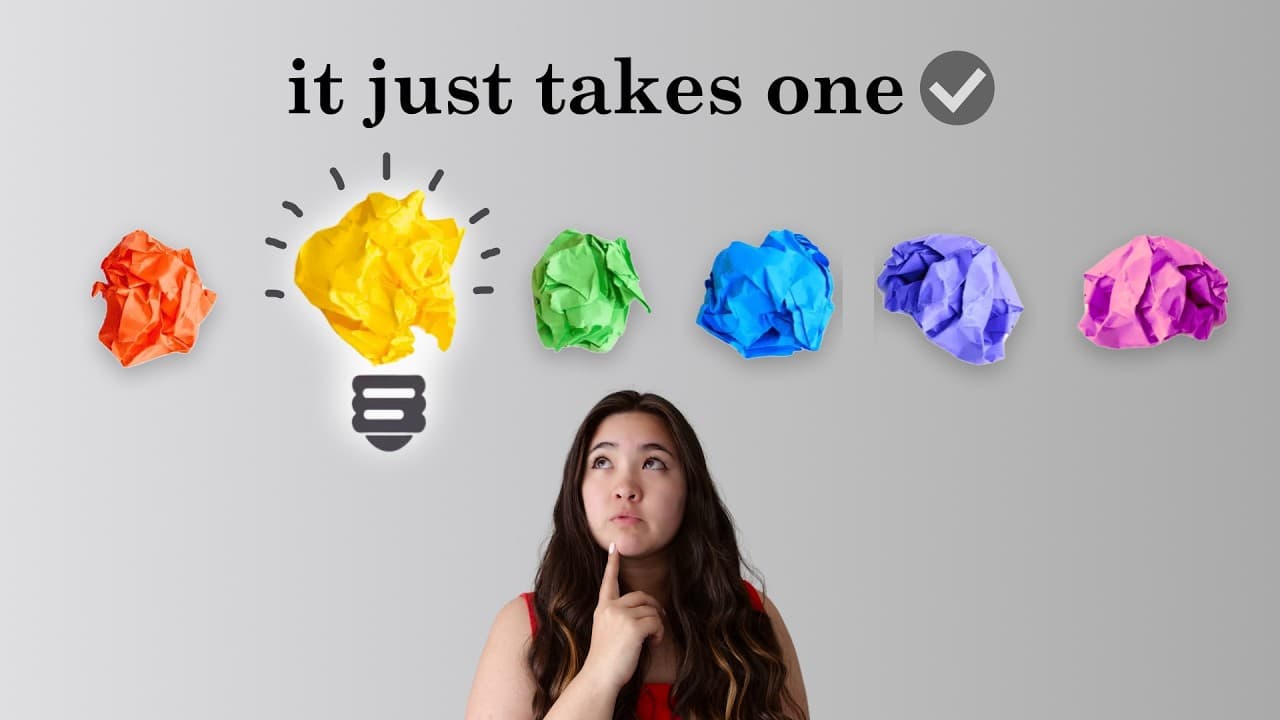
A killer YouTube idea breaks into three core elements: the topic (what the video is about), the format (the type of video), and the angle (the spice that sets it apart). Validate the topic first by searching for outliers, videos that significantly overperform a channel's average, especially from smaller creators, since those prove interest without relying on familiarity bias.
Transcript
this is how to come up with a killer YouTube video idea to blow up your Channel watch closely because the single most important factor for determining whether a video blows up is not the title not the thumbnail not even the video quality itself but the base idea just listen to world-renowned YouTube consultant Patty gallway I'd be bleue in the face... Read More
Key Insights
- The base idea is the single most important factor in whether a video blows up, ahead of the title, the thumbnail, and even the video quality itself. YouTube consultant Paddy Galloway is quoted saying he would repeat until the day he dies that the idea matters more than everything.
- Killer video ideas break into three core elements: the topic, which answers what the video is about; the format, which is the type of video; and the angle, which is the spice that sets a video apart from every other video on the same subject.
- Topic validation starts with a single question: could this video get a million views? Successful YouTubers look for proof by searching the most popular videos on a topic and counting how many cleared their own view goal before committing time to production.
- Familiarity bias inflates view counts from large creators, because brains are naturally drawn to what they recognize. A known face and style generate clicks on their own, so a big channel's success on a topic does not prove that topic works for an unknown creator.
- An outlier is a video that significantly overperforms a channel's average, such as a channel averaging 10,000 views per video posting one that pulls 100,000. Outliers from smaller creators are one of the strongest existing signals that a topic has high view potential.
- Manual outlier hunting works by picking a video from search results, opening the creator's channel page, and comparing that video's views against the surrounding uploads. The free 1of10 Chrome extension shows the view multiplier so no math is required.
- Videos under two weeks old should be skipped during outlier research because they do not yet have enough data to be useful, and creators without a check mark should be prioritized since that mark means under 100,000 subscribers.
- Formats each give viewers a distinct reason to click: tutorials teach a result or skill, challenges reveal an unseen outcome, breakdowns open a curiosity gap, commentaries supply a perspective or drama, vlogs offer a glimpse into a life, and interviews deliver exclusive firsthand information.
Install to Summarize YouTube Videos and Get Transcripts
Explore YouTube Video Summarizer or Get YouTube Transcript Extractor
Questions & Answers
Q: What matters most for making a YouTube video blow up?
The base idea is the single most important factor in whether a video blows up, ranking above the title, the thumbnail, and even the quality of the video itself. YouTube consultant Paddy Galloway is quoted in the video saying he would be blue in the face repeating until the day he dies that the idea is more important than everything. Two videos executed to the exact same standard but built on different topics can produce completely different results, which is why professionals settle the idea before anything else gets made.
Q: What are the three core elements of a killer YouTube video idea?
Nearly every killer video idea on YouTube breaks into three core elements. The topic is the subject of the video and answers the question of what the video is about. The format is the type of video and answers how the subject is presented. The angle is the spice that sets the video apart from all the rest. The combination of topic and format is what makes up a base idea, while the angle is what differentiates that base idea from every similar video already on the platform.
Q: How do you validate that a YouTube topic can blow up?
Start by asking whether the video could get a million views, and if it cannot, question why you are making it. Professionals look for proof that a topic can hit their view goal before committing, which generally means searching for the most popular videos made on that topic and noting how many of them cleared that view goal. This does not mean unproven topics are forbidden, since there is a first time for everything and a healthy quota for experimentation matters, but staking a channel's breakout on an unproven topic carries far more risk.
Q: What is familiarity bias on YouTube?
Familiarity bias is the concept that our brains are naturally drawn to what we are already familiar with. When viewers recognize the face and style of a YouTuber they already like, know, and trust, they are more likely to click. The consequence is that view counts from large, well established creators are often inflated, because familiarity alone generates enough interest to carry a video even when the underlying topic would not work for anyone else. This is why high view counts from big channels are weak evidence that a topic will perform for an unknown creator.
Q: What is an outlier video and why does it matter?
An outlier is a video that has significantly overperformed a channel's average. If a creator consistently pulls in 10,000 views per video but one video pulls 100,000, that video is an outlier. Outliers, especially from smaller creators, are one of the strongest signals in existence that a topic has high view potential, because they provide tangible proof that the topic itself carried enough interest to blow up a video without relying on familiarity. YouTube consultant Jay Alto, hired by the likes of MrBeast and Ryan Trahan, points to exactly this signal.
Q: How can you find outlier videos manually?
The manual method means picking a video from your search results, finding that video on the creator's channel page, comparing its view count against the views of the surrounding videos, and repeating the process. Three tips make it work better: use the free 1of10 Chrome extension so the view multiplier is visible without doing any math, avoid videos less than two weeks old because they lack enough data to be useful, and prioritize creators without a check mark next to their name, since no check mark means under 100,000 subscribers and their outliers carry far more signal.
Q: What filters should you use when searching for outliers with a tool?
The recommended filter settings are videos with over a 3x view multiplier, over 100,000 views, and creators with fewer than 500,000 subscribers. The result is a curated compilation of exclusively high signal outliers for a given topic. The manual approach has real flaws that these filters fix: it takes a long time to work through video after video, and YouTube offers no way to filter by subscriber count, which makes the high signal outliers from smaller creators difficult to isolate. Beyond topic validation, such a tool also supplies title and thumbnail inspiration and surfaces new high potential topics.
Q: What is the difference between a topic and a format on YouTube?
The topic is the what of the video and the format is the how, and the combination of the two makes up a base idea. Take the topic of cooking a burger: the same core subject presented through different formats yields wildly different video ideas, from a simple tutorial on how to cook burgers to a door-to-door interview asking Michelin star chefs how they prefer to cook the classic American staple. Each format is unique and each provides a viewer with a different reason to click on the video.
Q: Why do viewers click on different YouTube video formats?
Each format offers a distinct click motivation. Tutorials teach how to achieve a desired result, whether a physical product or a sought-after skill. Challenges satisfy the urge to experience something never seen before and to discover the outcome. Breakdowns pose questions we do not know the answers to, creating a curiosity gap that feels like an itch only clicking can scratch. Commentaries deliver opinion, reaction, or perspective, and sometimes just drama. Vlogs offer glimpses into others' lives and personal connection. Interviews promise in-depth, personal, or exclusive information unavailable elsewhere.
Summary & Key Takeaways
-
The base idea, not the title, thumbnail, or production quality, decides whether a video blows up. After months of research across YouTube strategists, consultant interviews, and ideation theory borrowed from film, creative writing, journalism, and game design, the conclusion is that the best performing ideas follow a four-part formula, and every one of them starts with selecting a killer topic.
-
A topic answers what the video is about, and two videos on different topics with identical execution quality can produce completely different results. Professionals validate a topic before scripting by asking whether it could reach their view goal, then searching for the most popular videos on that subject and counting how many actually cleared that number.
-
High view counts alone are misleading because of familiarity bias: audiences click on creators they already know, trust, and recognize, which inflates the numbers of established channels. A truly killer topic drives success even when nobody knows who you are, so the useful signal is proof of interest independent of any creator's existing audience.
-
Outliers solve that problem. A video that pulls 100,000 views on a channel averaging 10,000 proves the topic carried the video, not the name attached to it. Manual hunting means comparing a video against its channel neighbors, aided by the free 1of10 Chrome extension, avoiding uploads under two weeks old, and favoring creators without a check mark.
-
The 1of10 tool automates the search, and the video's recommended filters are a 3x or higher view multiplier, over 100,000 views, and creators under 500,000 subscribers, producing a curated set of high signal outliers. The tool also supplies title and thumbnail inspiration plus new high potential topics worth making videos about.
-
Once roughly 90 percent confident in the topic, the next part is format, the how to the topic's what. Cooking a burger can become a simple tutorial or a door-to-door interview asking Michelin star chefs their preferred method, and each version offers a different reason to click even though the underlying subject never changed.
-
Six formats each carry their own click motivation. Tutorials promise a skill or product, challenges promise an outcome nobody has seen, breakdowns pose questions that create a curiosity gap that feels like an itch, commentaries supply opinion and sometimes drama, vlogs trade on personality and vicarious experience, and interviews promise exclusive firsthand information.
-
Format choice should follow two considerations: why someone would want to click in the first place and what type of value the video delivers to viewers. Creators usually pick the format that best fits their own skill set, though that is only one input among several when assembling the full idea.
Read in Other Languages (beta)
Share This Summary 📚
Summarize YouTube Videos and Get Video Transcripts with 1-Click
Try YouTube Summary with ChatGPT & Claude or YouTube Transcript Generator
Explore More Summaries from Aprilynne Alter 📚


Summarize YouTube Videos and Get Video Transcripts with 1-Click
Try YouTube Summary with ChatGPT & Claude or YouTube Transcript Generator