How to Train Now for a Strong, Mobile Life at 100
TL;DR
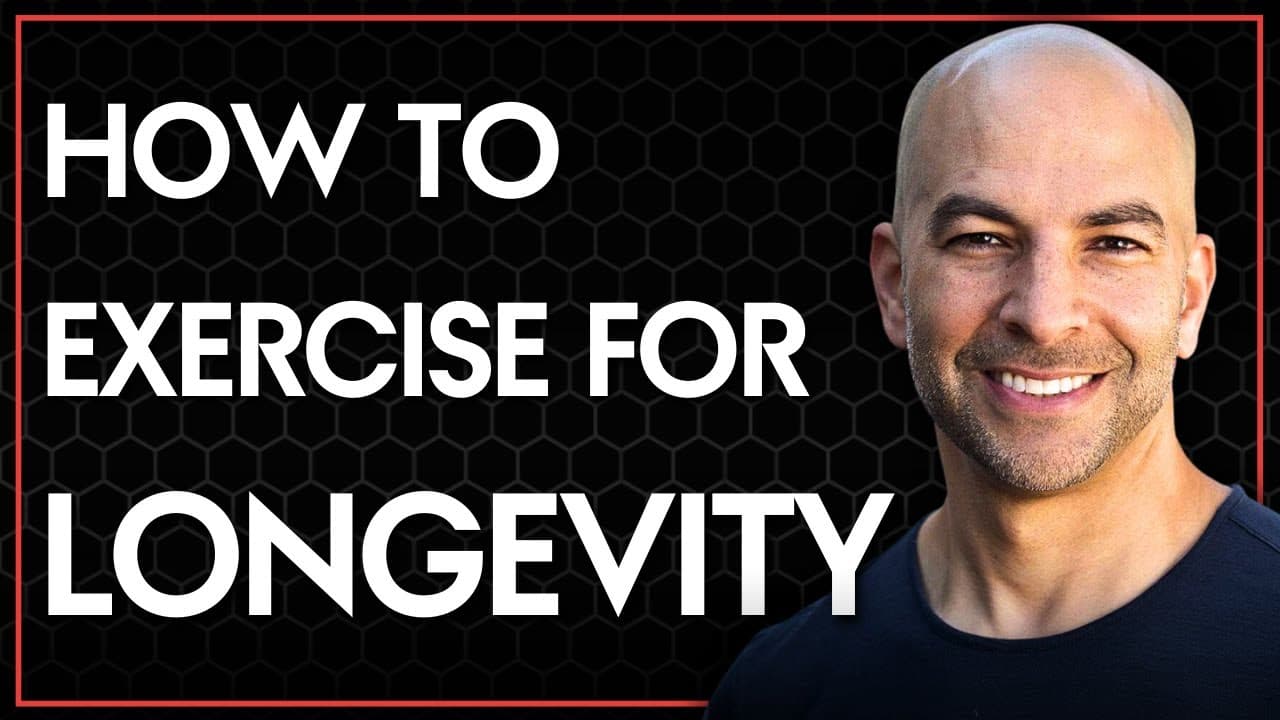
Training for longevity means preparing for the 'Centenarian Olympics' — the physical tasks you want to do at age 100, like getting off the floor with one arm or playing with great-grandchildren. This rests on strength, stability, and two aerobic energy systems: zone 2 for most training and brief bursts of zone 5. Peak performance goals are often orthogonal to longevity.
Transcript
hey everyone welcome to the drive podcast i'm your host peter etia this podcast my website and my weekly newsletter all focus on the goal of translating the science of longevity into something accessible for everyone our goal is to provide the best content in health and wellness full stop and we've assembled a great team of analysts to make this ha... Read More
Key Insights
- Training for longevity is fundamentally different from training for performance. Peak goals like a sub-2:40 marathon or deadlifting 3.5x bodyweight are generally not co-linear with longevity and can be outright orthogonal, meaning completely at odds with it.
- The Centenarian Olympics (or decathlon) is the framework of listing the specific physical activities you want to perform at age 100, then training today to be capable of them. Peter's personal list has 18 such items.
- Backcasting drives the approach: instead of forecasting from your current age forward, you start with what you want to do at 100 and work backwards. Peter borrowed this term from Annie Duke, author of 'Thinking in Bets'.
- For most people the body fails before the mind, so mind, body, and disease burden decline in the wrong order. Recognizing that the body tends to break down first motivated Peter's focus on preserving physical capacity into old age.
- Longevity training targets two energy systems plus strength and stability. Because life mostly takes place in zone 1, zone 2, and zone 5, training zone 2 and zone 5 prepares you both metabolically and structurally for real activities.
- Zone 2 is the low-end aerobic energy system and should make up the bulk of aerobic training, with zone 5 used only for brief punctuating bursts. Training much more in zone 2 than zone 5 optimizes longevity returns.
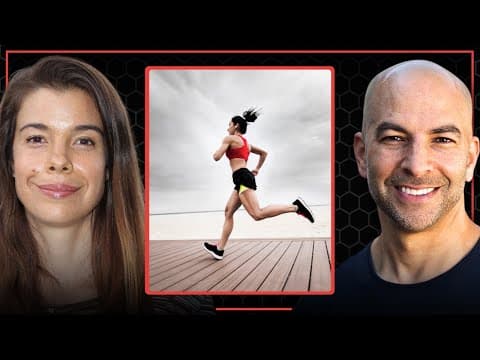
- Chasing maximum performance carries a longevity cost. Running the fastest 10k demands near-maximal cardiac output just beneath VO2 max, which strains the body past the point of optimizing longevity returns even though it beats sitting on a couch.
- Some Centenarian Olympics goals seem trivial but reveal the point of the framework, such as being able to get up off the floor using a single point of support — just one arm. These activities of daily living anchor Peter's training decisions.
Install to Summarize YouTube Videos and Get Transcripts
Explore YouTube Video Summarizer or Get YouTube Transcript Extractor
Questions & Answers
Q: What is the Centenarian Olympics or Centenarian Decathlon?
It is Peter Attia's framework for defining the specific physical activities you want to be able to perform at age 100, then training today to prepare for them. He arrived at it through backcasting, projecting his children's and future great-grandchildren's ages forward to when he is 100. His personal list contains 18 activities, which is why he jokes that 'decathlon' is technically wrong. Items range from shooting a bow and arrow to simple activities of daily living like playing with young kids on the floor.
Q: How is training for longevity different from training for performance?
Longevity training and performance training target different goals and often conflict. Peter explains that difficult performance goals, like breaking two hours and forty minutes on the Chicago Marathon, breaking ten hours in the Ironman, or deadlifting three and a half times bodyweight, require energy systems he won't even discuss for longevity. These extreme feats are generally not co-linear with longevity and can be outright orthogonal, meaning completely at odds with it, coming at a genuine longevity cost.
Q: What does backcasting mean and where did Peter get the idea?
Backcasting means working backwards from your end goal rather than forecasting forward from your current age. Instead of asking what a 25-year-old should do at 26, then 30, you ask what you need to be able to do at 100 and reverse-engineer from there. Peter borrowed the term from Annie Duke, author of 'Thinking in Bets,' a book he loves. He applied it by projecting how old his children and their future children would be when he reaches 100.
Q: Why does Peter focus so much on preserving physical ability as we age?
Peter had an epiphany that for most people the body fails first, before the mind. He observed that decline of mind, body, and the burden of disease tends to arrive one by one in the wrong order, with the body typically breaking down first. Some people die suddenly with mind and body intact, and for a not-small subset cognition is robbed first, but recognizing that the body usually fails first motivated him to focus on mitigating physical decline through his training framework.
Q: What are zone 2 and zone 5, and how much of each should you train?
Zone 2 is the low-end aerobic energy system, while zone 5 involves brief high-intensity bursts near VO2 max. Peter's longevity framework relies on both, punctuating mostly zone 2 work with occasional zone 5 efforts. He stresses training obviously much more in zone 2 than in zone 5. Because life takes place in zone 1, zone 2, and zone 5, training these systems prepares you both metabolically and structurally to handle real-life activities as you age.
Q: Why does chasing maximum athletic performance come at a longevity cost?
Trying to run the fastest 10k trains an energy system that is extremely demanding on the cardiovascular system, requiring pretty much maximum cardiac output just beneath VO2 max and above functional threshold. Peter says this puts an amazing strain on the body. While doing it is still better than sitting on a couch all day, it is generally past the point of optimizing longevity returns and actually carries some longevity cost relative to training at a slightly lower energy system.
Q: What two energy systems and physical components does Peter's longevity framework rely on?
Peter's framework, geared toward the Centenarian Olympics and being the most kick-ass 90-year-old possible, rests on strength and stability plus two aerobic energy systems. The first is the low-end aerobic system, which is zone 2, trained the most. The second is brief bursts of generally zone 5. He combines these with the strength and stability pieces, since training zone 2 and zone 5 tees you up metabolically and structurally for the activities life demands.
Q: What kind of everyday activities made it onto Peter's centenarian list?
Peter focused heavily on the simple activities of daily living rather than only impressive feats. He still wants to shoot a bow and arrow and to exercise because he genuinely enjoys it, but the activity he emphasized most was playing with great-grandchildren who might be three, four, or five years old when he is 100. One deceptively trivial item is being able to get up off the floor using a single point of support, meaning just one arm.
Q: Why did Peter create this special mashup episode of The Drive?
After releasing over 200 episodes covering many topics in great detail, Peter realized it can be very difficult for listeners to piece together all the information, even for those who started four years ago. As an experiment, he pulled a variety of clips from previous podcasts organized around exercise and his framework, ordered top to bottom for the best listening flow. The goal is to help people understand the topic and identify earlier episodes worth revisiting, and he invited listener feedback.
Summary & Key Takeaways
-
This special episode of The Drive is a mashup of clips from over 200 previous podcasts, organized around exercise and Peter Attia's framework for it. The clips are ordered top to bottom to build understanding and help listeners identify earlier episodes to revisit for deeper dives.
-
Peter distinguishes longevity from performance. Extreme goals like a fast marathon, sub-10-hour Ironman, or deadlifting 3.5x bodyweight require energy systems he won't discuss for longevity, because such feats are generally not co-linear with longevity and can be orthogonal, coming at a real longevity cost.
-
The core method is backcasting from the Centenarian Olympics: define the physical tasks you want at 100, such as playing with great-grandchildren or getting off the floor one-armed, then train strength, stability, zone 2, and zone 5 today so you remain the most capable 90- or 100-year-old possible.
Read in Other Languages (beta)
Share This Summary 📚
Summarize YouTube Videos and Get Video Transcripts with 1-Click
Try YouTube Summary with ChatGPT & Claude or YouTube Transcript Generator
Explore More Summaries from Peter Attia MD 📚
Summarize YouTube Videos and Get Video Transcripts with 1-Click
Try YouTube Summary with ChatGPT & Claude or YouTube Transcript Generator