Can a Flip Phone Improve Focus and Happiness?
TL;DR
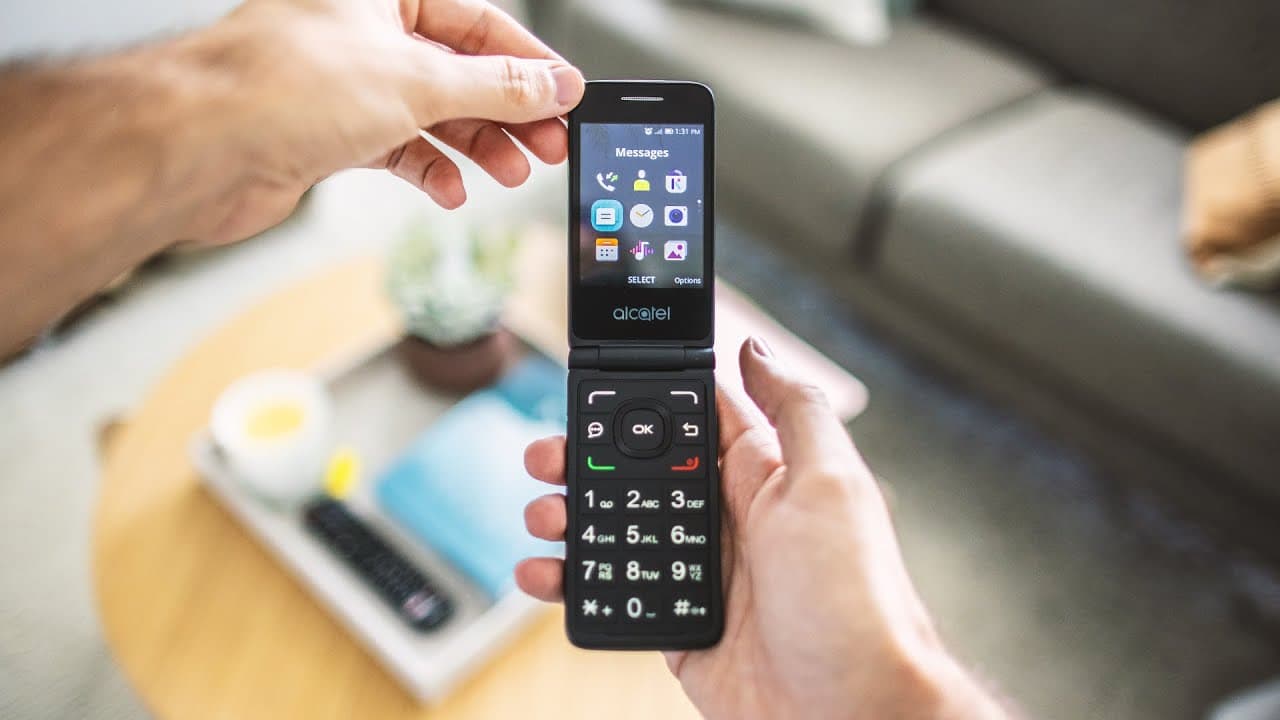
Replacing a smartphone with a flip phone reduced habitual screen use, created more moments of stillness, and improved focus over 30 days. However, difficult texting, unreliable navigation, poor photo quality, and extra paperwork made the change impractical as a permanent solution, leading to a return to smartphone use with more intentional rules and guardrails.
Transcript
so we often take for granted just how truly remarkable something as small as this can be that's what she said i gotta start that over like i'm sure many of you i've come to rely on my smartphone for so much it's my gps my music player messaging device camera and i hear that it can even make phone calls but this all comes at a cost because for all o... Read More
Key Insights
- A smartphone can provide navigation, music, messaging, photography, and calls while also filling more than two or three hours each day with habitual checking. Its convenience can make it the first object reached for in the morning and the last screen viewed before bed.
- Removing access to a smartphone is an effective way to interrupt automatic checking. Waking without the option to browse encouraged an immediate start to coffee, email, and work instead of spending the first half hour checking news and other content.
- Flip phone texting is slow enough to change communication behavior. Short replies can appear rude, long messages may be redirected to email, and large family conversations become nearly impossible to follow when the device separates participants into multiple message threads.
- Reduced smartphone access creates more moments of stillness throughout the day. Waiting for coffee, brushing teeth, and using the bathroom no longer automatically involved a screen, although the familiar impulse to grab the smartphone remained noticeable.
- Smartphone news consumption can contribute to distress when repeated refreshing and doomscrolling become consuming habits. During the 2020 election, constant exposure to news sites and political podcasts became unhealthy and motivated a deliberate separation from the phone.
- Navigation without a reliable smartphone requires preparation and attention. When Google Maps could not determine a precise location, printed directions provided a workable backup, but the process would have been impractical if unfamiliar trips were required several times each week.
- Smartphone cameras preserve everyday memories with a level of convenience that a basic flip phone cannot match. The flip phone could capture photos and videos, but its poor quality raised concerns about losing meaningful records if the experiment continued for longer than a year.
- The central challenge of digital minimalism is preserving useful smartphone tools without allowing them to dominate attention. The experiment ended with improved focus and renewed energy, followed by a planned return to smartphone use under more intentional rules and guardrails.
Install to Summarize YouTube Videos and Get Transcripts
Explore YouTube Video Summarizer or Get YouTube Transcript Extractor
Questions & Answers
Q: Can using a flip phone improve focus and happiness?
Using a flip phone for 30 days improved focus and created a refreshed feeling by preventing automatic smartphone checking throughout the day. It removed morning browsing and reduced screen use during small waiting periods. The experiment did not solve every distraction or establish that a flip phone was practical permanently, but it showed that greater distance from a smartphone could improve daily attention and stillness.
Q: What are the main benefits of replacing a smartphone with a flip phone?
The main benefits were less screen time, fewer opportunities for doomscrolling, a more direct start to the morning, and more quiet moments during routine activities. The lack of tempting smartphone features prevented the usual impulse from turning into actual browsing. After 30 days, the experimenter felt more focused and refreshed, while also recognizing how deeply smartphone habits had shaped everyday behavior.
Q: What problems arise when texting on a flip phone?
Texting on the flip phone was extremely slow, with an individual message sometimes taking about 15 minutes to compose. This encouraged very short replies that could appear rude and pushed longer conversations toward email. A family group containing about 10 to 15 people was especially difficult because the phone separated the conversation into roughly 10 different threads instead of organizing it as one group.
Q: How can you navigate without smartphone GPS?
Printed directions can serve as a backup when navigation on a basic phone fails. After about 15 minutes of trying unsuccessfully to make Google Maps determine a precise location, the experimenter followed printed directions to a recycling center. The trip required more attention to road signs and was manageable once, but repeating that process five times a week would have been impractical.
Q: Why can smartphone news habits affect mental health?
Repeatedly refreshing news sites, listening to political podcasts every morning, and doomscrolling for the next piece of bad news became consuming during the 2020 election. The behavior developed gradually but eventually caused noticeable distress and deterioration in mental health. That experience became the strongest motivation for creating physical and functional distance from the smartphone through the 30-day flip phone experiment.
Q: What smartphone features were hardest to give up?
The hardest features to give up included reliable GPS navigation, efficient messaging, digital notes, grocery lists, accessible travel documents, and a capable camera. Preparing for travel required printing a flight itinerary, visas, and a travel exemption. The loss of convenient photography and video was especially unexpected because nearly every recent personal memory had been captured using a smartphone.
Q: Is a flip phone practical for permanent everyday use?
A flip phone was not practical as a permanent replacement for the experimenter's lifestyle. Calls worked well, but texting, group messages, navigation, travel preparation, notes, lists, photos, and videos became more difficult. Staying home during the pandemic limited some inconvenience, and normal circumstances would have made the drawbacks more painful. The conclusion was that the device could create distance, but at a substantial practical cost.
Q: How should someone return to a smartphone after a digital detox?
Returning to a smartphone should involve deliberate rules and guardrails that preserve useful tools while limiting automatic consumption. The experiment showed that the previous pattern of waking up and immediately checking the phone was not working. Although occasional slips and renewed rabbit holes were expected, the goal was to use navigation, messaging, notes, and photography intentionally without letting those conveniences control attention throughout the day.
Summary & Key Takeaways
-
A 30-day switch to a flip phone was designed to test whether less capable technology could reduce distress and improve happiness. The experiment interrupted habitual morning browsing, news checking, and screen use during idle moments, leaving more time for work, patience, stillness, and greater awareness of the urge to reach for a smartphone.
-
The flip phone handled calls well, but texting was slow and group conversations became fragmented across separate threads. Navigation also proved unreliable, requiring printed directions and closer attention to road signs. Notes, grocery lists, travel documents, photography, and video recording were less convenient or lower quality without a smartphone.
-
After 30 days, the experiment produced greater focus and a refreshed feeling, while revealing deep dependence on smartphone convenience. A flip phone was too restrictive for permanent use, and removing the smartphone did not eliminate every distraction. The preferred outcome was returning to a smartphone with intentional rules and guardrails around its use.
Read in Other Languages (beta)
Share This Summary 📚
Summarize YouTube Videos and Get Video Transcripts with 1-Click
Try YouTube Summary with ChatGPT & Claude or YouTube Transcript Generator
Explore More Summaries from Matt D'Avella 📚


Summarize YouTube Videos and Get Video Transcripts with 1-Click
Try YouTube Summary with ChatGPT & Claude or YouTube Transcript Generator