What Is Design for Voice and Inclusion in Tech?
TL;DR
Designing for voice in technology involves creating accessible and inclusive systems that prioritize the needs of marginalized communities. This research highlights the importance of community involvement in technology development and advocates for ethical considerations that resonate with local cultures and values. By addressing issues of access and autonomy, we can empower individuals often silenced by societal norms.
Transcript
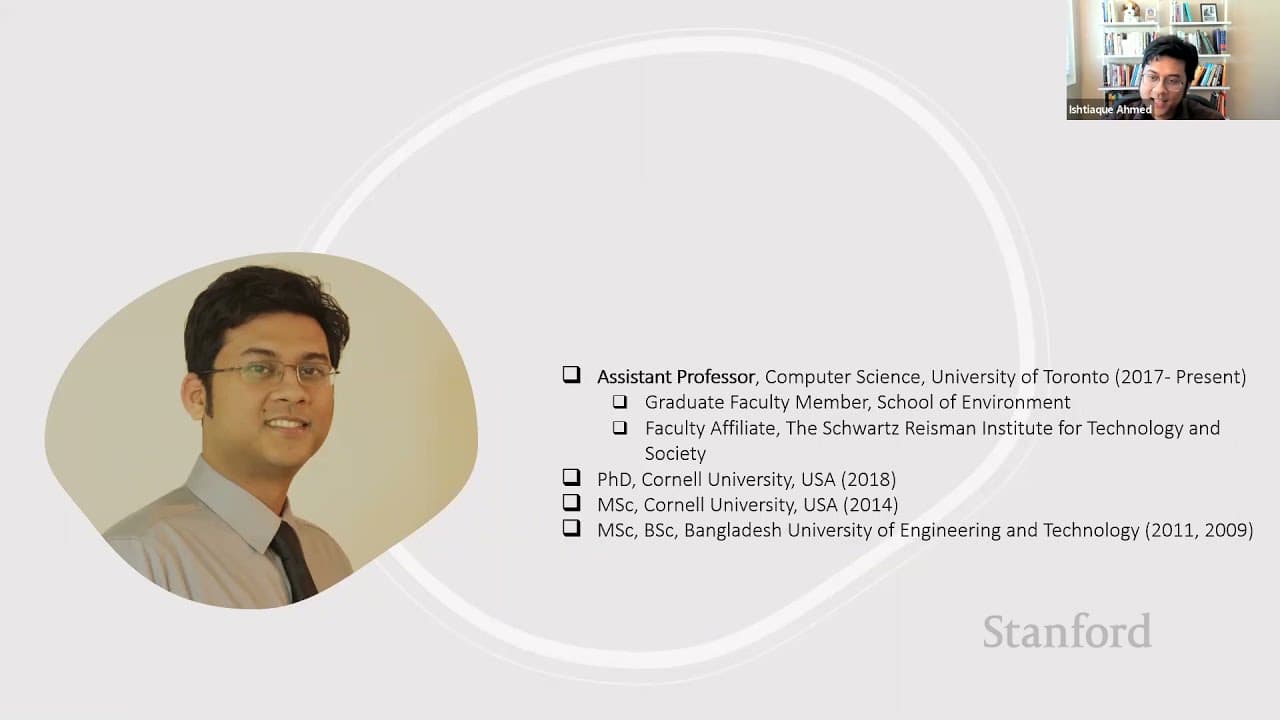
right so hi everyone welcome to my talk today i am thrilled to be able to virtually join you and to have this opportunity to present my research before you the title of my today's talk is designing for voice access autonomy and justification questions in designing computing technologies with marginalized communities before starting my talk here is ... Read More
Key Insights
- 🫚 Access to computing technologies should be rooted in the local social context to ensure relevance and effectiveness.
- 🎨 Voice and freedom are essential for marginalized communities, and design practices should aim to support these aspects.
- 🪡 Ethical concerns in computing systems, such as privacy breaches and biases, need to consider the specific values and norms of marginalized communities.
Install to Summarize YouTube Videos and Get Transcripts
Explore YouTube Video Summarizer or Get YouTube Transcript Extractor
Questions & Answers
Q: How did the speaker's research group address the issue of making computing technologies accessible to illiterate rickshaw drivers in Bangladesh?
The research group conducted ethnography to understand how the drivers were able to use their mobile phones, discovered their reliance on literate individuals for help, and co-designed a mobile phone application for remote assistance based on gift-giving theories.
Q: What challenges did the speaker's project on addressing sexual harassment in Bangladesh face?
The project aimed to help women report incidents of sexual harassment and seek help from their social networks. However, anonymous reports received backlash on social media, blaming victims and leading to a decline in reporting, highlighting the challenge of changing societal attitudes.
Q: What insights did the speaker gain from studying traditional visual art practices in rural Bangladesh?
The speaker found that traditional visual art practices are deeply connected to local culture, identity, and storytelling. The abstraction, storytelling, and role of the artist in these practices differ significantly from modern data visualization, emphasizing the importance of considering local contexts.
Q: How does the speaker propose integrating ethics and AI in computing systems for marginalized communities?
The speaker suggests moving away from imposing Western ethics onto marginalized communities and instead promoting localized and situated ethical practices. They propose working with local communities, understanding their histories, identities, and faith-based practices, and respecting their ethics while addressing social change.
Summary & Key Takeaways
-
The speaker shares their background growing up in Bangladesh and their research journey to understand the needs of marginalized communities.
-
They describe their methodology of combining ethnography and computing to address the central theme of voice and freedom.
-
The speaker presents projects on access and autonomy, focusing on designing computing technologies for illiterate rickshaw drivers and addressing sexual harassment in Bangladesh.
Read in Other Languages (beta)
Share This Summary 📚
Summarize YouTube Videos and Get Video Transcripts with 1-Click
Try YouTube Summary with ChatGPT & Claude or YouTube Transcript Generator
Explore More Summaries from Stanford Online 📚



Summarize YouTube Videos and Get Video Transcripts with 1-Click
Try YouTube Summary with ChatGPT & Claude or YouTube Transcript Generator