How Does Impact Investing Scale Social Ventures?
TL;DR
Impact investing can scale social ventures by requiring recipients to repay capital, sometimes with profit, so funds can be recycled and organizations must develop sustainable business models. Hands-on donor involvement, collaboration, beneficiary contributions, incubators, and direct observation of social outcomes can add accountability while creating more equal relationships between funders and recipients.
Transcript
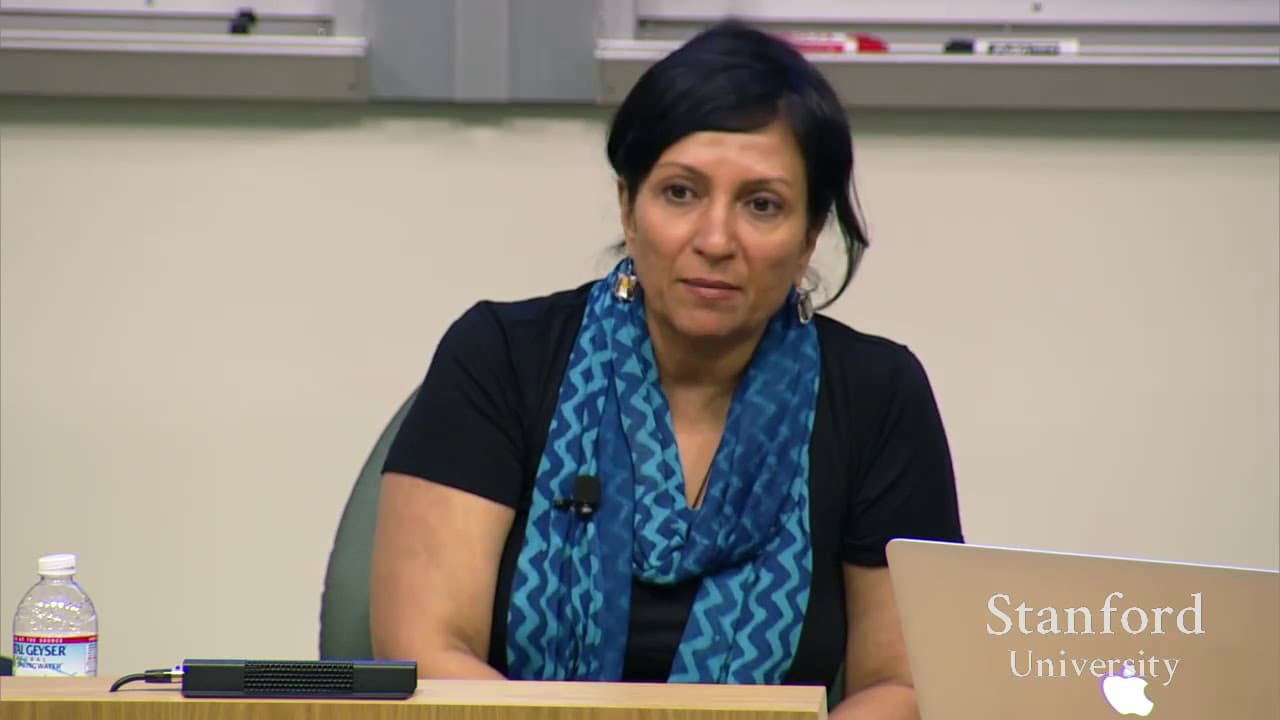
What do you see about social entrepreneurship these days, especially in South Asia? So the landscape is, is changing significantly because of, you know, early stage movers like Acumen Fund, which is based in New York and run by Jacqueline Novogratz. They've actually devised a fantastic new model of social entrepreneurship where they re- where they ... Read More
Key Insights
- Acumen Fund uses a social investment model in which recipients return capital and may also provide a profit, allowing funds to be recycled while encouraging organizations to operate with sustainable business models rather than depending entirely on repeated grants.
- Traditional grant-making is changing as family foundations, organizations such as google.org, and university-based philanthropic foundations increasingly expect recipients to demonstrate a way to return capital, creating stronger financial responsibility for both donors and the organizations they support.
- Beneficiary contributions can create responsibility and self-respect, even in very low-income communities. At Gyan Shala in Ahmedabad, families of children attending slum schools are asked to contribute one hundred rupees per month, described in the discussion as about one dollar and fifty cents.
- Donor return on investment can include direct knowledge of social impact, not only financial repayment. Some donors visit organizations, meet recipients, and observe affected children or entrepreneurs, giving them a firsthand understanding of what their grants, loans, or equity investments accomplish.
- Venture capital practices can transfer to social philanthropy through hands-on relationships, performance expectations, and sustained engagement with managers. The discussion argues that social entrepreneurs often possess ambitions and world-changing visions similar to those of for-profit startup entrepreneurs in the Bay Area.
- Funding models should reflect the nature of the need. Earthquakes, tsunamis, and other natural disasters require straightforward grants, while services such as eye operations may support partial payment because recipients value the benefit and are willing to contribute.
- Maker Faire platforms can reveal and celebrate inventors who otherwise lack public visibility. Maker Faire Africa showcased inventions including electricity generation from urine by a young girl in Ghana, while the related initiative in India expanded from one hometown to Bombay, Delhi, Cochin, and Bangalore.
- The IIT Kanpur computer science building is intended to include an incubator and accelerator, supported by a donation described as about one point five million dollars. The donor seeks active oversight so faculty and students can take time away to develop inventions or ideas sustainably.
Install to Summarize YouTube Videos and Get Transcripts
Explore YouTube Video Summarizer or Get YouTube Transcript Extractor
Questions & Answers
Q: How does impact investing differ from traditional philanthropy?
Impact investing can require recipient organizations to return the original capital and, in some cases, provide a profit, while traditional philanthropy commonly involves a donor writing a check without repayment. The return allows a foundation to recycle funds into additional initiatives. It also pressures recipients to create sustainable business models, strengthening financial responsibility rather than maintaining a one-way donor and beneficiary relationship.
Q: Why does capital repayment help social ventures become sustainable?
Capital repayment requires a social venture to think beyond receiving a single grant. The organization must determine how its services, operations, or beneficiary contributions can support an enduring business model. For funders, repayment makes it possible to recycle money through the foundation. For recipients, the obligation introduces accountability and encourages disciplined planning around how the venture will continue operating.
Q: What counts as a return on investment for social-impact donors?
A social-impact donor's return can include recovered capital, but it may also include seeing exactly who benefits from the investment. Donors may visit organizations on the ground, meet entrepreneurs and recipients, and observe children receiving services. This firsthand understanding becomes part of the return because it demonstrates the human effect of a grant, loan, or equity investment.
Q: How does venture capital influence social entrepreneurship?
Venture capital influences social entrepreneurship through hands-on engagement with venture managers, expectations of accountability, and attention to sustainable growth. Participants from startup communities may apply pressure similar to what they place on for-profit founders. The discussion presents social entrepreneurs as sharing the vision, ambition, and desire for large-scale impact associated with startup entrepreneurs, even when financial profit is not the primary return.
Q: When should social initiatives use grants instead of repayable funding?
Social initiatives should use straightforward grants when the activity cannot reasonably produce a sustainable repayment model. Disaster management is the clearest example in the discussion. When an earthquake, tsunami, or other natural disaster strikes, assistance is treated as a direct grant. Other services, including eye operations, may occupy a middle area where beneficiaries can contribute toward benefits they value.
Q: Why can beneficiary payments improve a social program?
Beneficiary payments can give recipients a direct stake in the service and make the relationship more equal. The discussion argues that contributing even a small amount can create self-respect and responsibility, replacing a purely one-way pattern of giving and receiving. This psychological involvement may also improve the quality of the service relationship because beneficiaries actively recognize and participate in the value provided.
Q: How did Maker Faire support innovators in Africa and India?
Maker Faire created a public place where tinkerers and inventors could display and celebrate work that might otherwise remain hidden in cottages or garages. Maker Faire Africa brought forward people including a young girl in Ghana who developed a method for generating electricity from urine. After seeing that initiative's success, a related effort began in India and expanded to Bombay, Delhi, Cochin, and Bangalore.
Q: How can university incubators help scale social innovation?
A university incubator can give faculty and students space, support, and time to develop inventions or ideas sustainably. The planned computer science building at IIT Kanpur includes an incubator and accelerator connected to a donation described as about one point five million dollars. Its vision includes enabling young faculty members or students to step away for a year or two and work on promising ideas.
Summary & Key Takeaways
-
Social entrepreneurship in South Asia is shifting from traditional one-way grants toward investments that may return capital or generate profit. Acumen Fund exemplifies this model. Repayment lets foundations recycle money into future initiatives while requiring recipient organizations to build sustainable operations, financial discipline, and greater accountability into their work.
-
Donors increasingly seek direct involvement instead of simply writing checks through intermediaries. Their return on investment may include recovered capital, firsthand observation of beneficiaries, and relationships with social entrepreneurs. Venture capital participants apply startup-style expectations because social entrepreneurs often share the ambition, vision, and impact orientation of for-profit founders.
-
Funding structures should match the activity. Disaster response still requires direct grants, while services such as education or eye operations may support beneficiary payments. The discussion also highlights Maker Faire platforms and an IIT Kanpur incubator as ways to showcase hidden inventors and help faculty or students develop ideas sustainably.
Read in Other Languages (beta)
Share This Summary 📚
Summarize YouTube Videos and Get Video Transcripts with 1-Click
Try YouTube Summary with ChatGPT & Claude or YouTube Transcript Generator
Explore More Summaries from Stanford Online 📚


Summarize YouTube Videos and Get Video Transcripts with 1-Click
Try YouTube Summary with ChatGPT & Claude or YouTube Transcript Generator