How to Release Trauma from Your Body
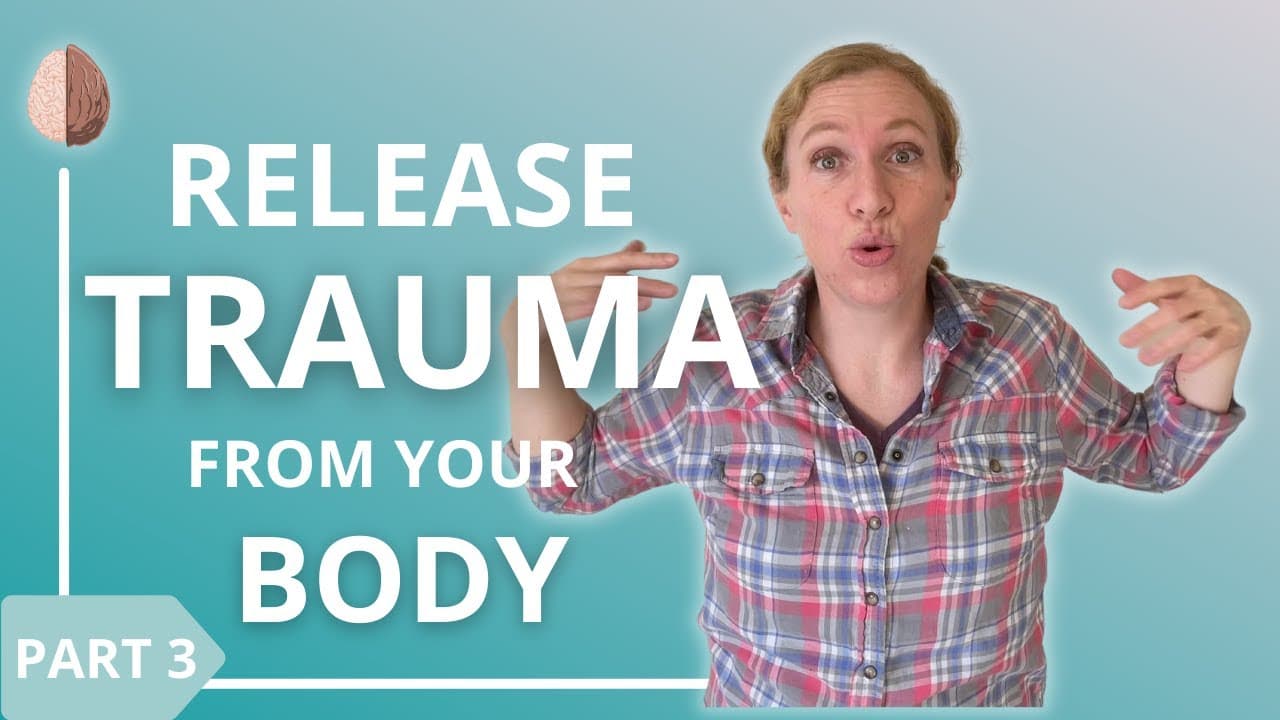
TL;DR
Releasing trauma from the body involves retraining the nervous system to spend more time in a state of safety and connection. Techniques include movement, breathwork, and fostering safe connections with others. These methods help transition from fight-or-flight or freeze states to a calm state, promoting healing and emotional well-being.
Transcript
I once worked with a client who I'll call Mary. Mary grew up in an abusive home. Her biological father was imprisoned for molesting her when she was little, and her stepfather had sexually abused her for years. And from her perspective, her mother's abuse was the worst. Her mother was emotionally abusive, calling her names and degrading her and... Read More
Key Insights
- Trauma is stored in the body and can manifest as chronic stress.
- The nervous system has three states: safety, fight-or-flight, and freeze.
- The fight-or-flight response is activated by perceived threats.
- The freeze response occurs when a threat seems inescapable.
- Transitioning to a safety state involves calming the body.
- Vagal tone is a measure of nervous system flexibility.
- Therapy can help individuals become aware of their nervous system state.
- Safe connections and body movements aid in trauma recovery.
Install to Summarize YouTube Videos and Get Transcripts
Explore YouTube Video Summarizer or Get YouTube Transcript Extractor
Questions & Answers
Q: How can trauma be released from the body?
Trauma can be released from the body by retraining the nervous system to spend more time in a state of safety and connection. Techniques such as movement, breathwork, and fostering safe connections with others help transition from fight-or-flight or freeze states to a calm state, promoting healing and emotional well-being.
Q: What are the three states of the nervous system?
The nervous system operates in three states: safety and connection, fight-or-flight, and freeze. The safety state is characterized by calmness and connection, the fight-or-flight state is activated by perceived threats, and the freeze state occurs when a threat seems inescapable. Transitioning between these states is key to managing trauma.
Q: What is the role of vagal tone in trauma recovery?
Vagal tone is a measure of the flexibility of the nervous system, which can be assessed through heart-rate variability. A higher vagal tone indicates a more adaptable nervous system, which can transition more easily between states. Improving vagal tone through techniques like breathing exercises and safe connections aids in trauma recovery.
Q: How does the body react to trauma?
The body reacts to trauma by activating the fight-or-flight or freeze response, which becomes habitual over time. This chronic stress harms the body, making it difficult to function mentally and emotionally. The body stores memories of past danger in the nervous system, contributing to an ongoing hypervigilant response.
Q: How can therapy aid in trauma recovery?
Therapy aids in trauma recovery by helping individuals become aware of their nervous system state and guiding them in transitioning to a safety state. An observant therapist can help clients recognize their current state and employ techniques to calm the body, facilitating the release of trauma and promoting emotional healing.
Q: What techniques help transition to a safety state?
Transitioning to a safety state involves calming the body through techniques such as slow breathing, movement, grounding exercises, and connecting with others. These methods help reduce the fight-or-flight or freeze response, allowing the nervous system to spend more time in a calm and connected state, promoting healing from trauma.
Q: How does movement help in trauma recovery?
Movement helps in trauma recovery by allowing the body to release tension and transition from a freeze or fight-or-flight state to a safety state. Activities like patting, tapping, dancing, and exercising help reconnect individuals with their bodies, facilitating the release of trapped trauma and promoting emotional well-being.
Q: What is the importance of safe connections in trauma recovery?
Safe connections are important in trauma recovery because they help trigger a chemical change in the body, signaling safety to the nervous system. Eye contact, hugs, and emotional intimacy release oxytocin, an attachment hormone, fostering a sense of safety and connection that aids in the healing process from trauma.
Summary & Key Takeaways
-
Trauma affects the body by trapping individuals in fight-or-flight or freeze states. Techniques like movement, breathwork, and connection help release trauma by retraining the nervous system to spend more time in a safety state. This promotes healing and emotional well-being, allowing individuals to process and reinterpret past traumatic experiences.
-
The nervous system operates in three states: safety, fight-or-flight, and freeze. Trauma often causes individuals to remain in fight-or-flight or freeze states, leading to chronic stress. Calming the body through various techniques can help transition to a safety state, aiding in trauma recovery.
-
Vagal tone, which can be measured by heart-rate variability, indicates the flexibility of the nervous system. Therapy and body-based treatments like movement and safe connections can help individuals become aware of their nervous system state and transition to a safety state, promoting healing from trauma.
Read in Other Languages (beta)
Share This Summary 📚
Summarize YouTube Videos and Get Video Transcripts with 1-Click
Try YouTube Summary with ChatGPT & Claude or YouTube Transcript Generator
Explore More Summaries from Therapy in a Nutshell 📚






Summarize YouTube Videos and Get Video Transcripts with 1-Click
Try YouTube Summary with ChatGPT & Claude or YouTube Transcript Generator